
Thames Water has been forced into the humiliating position of begging millions of customers to use less water after soaring temperatures exposed fresh strains in Britain’s creaking utility infrastructure.
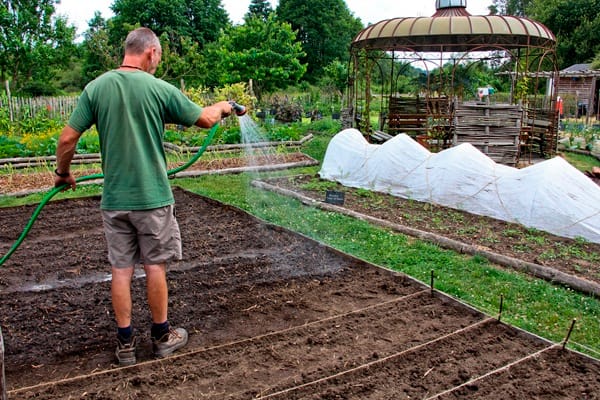
The embattled supplier stopped short of imposing a formal hosepipe ban but urged households across London and the South East to put away sprinklers, avoid using hoses and even recycle paddling pool water as demand surged to extraordinary levels during the heatwave.
The appeal came after customers consumed an additional 387 million litres of water in a single day, a dramatic increase that exposed the pressure on a network already struggling to restore public confidence.
For many consumers, the spectacle of Britain’s largest water company pleading with customers to conserve supplies will raise uncomfortable questions about how a utility responsible for millions of people can find itself under such strain after years of criticism over leaks, infrastructure failures and financial turmoil.
Last Monday’s record-breaking temperatures, which reached 35C in parts of London, triggered a surge in demand as households watered gardens, filled paddling pools and sought relief from the heat.
Rather than announcing restrictions, Thames Water issued a series of requests asking customers to change their behaviour.
Households were encouraged to use watering cans instead of hoses, allow lawns to turn brown and reuse water wherever possible.
Customers were even advised to keep bowls of water in sinks for plants and recycle paddling pool water once children had finished using it.
In a statement, the company warned that hot weather causes “rapid spikes in water use”, particularly through outdoor activities.
The appeal highlights the increasingly fragile balance facing Britain’s water network during periods of extreme weather.
Critics have long argued that water companies have failed to invest sufficiently in infrastructure, even as millions of litres are lost to leakage every day.
Against that backdrop, requests for customers to cut consumption are likely to provoke frustration among households already facing rising bills.
The concerns extend far beyond Thames Water.
Across southern England, water suppliers are battling unprecedented demand as the heatwave strains supplies.
In Kent, hundreds of households have been left without drinking water altogether, while thousands more have faced reduced pressure and unreliable service.
Affected areas include Cranbrook, Ulcombe, Mereworth, Kemsing and Wrotham, where residents have endured disruption during some of the hottest weather of the year.
South East Water has acknowledged the severity of the situation and apologised to customers as engineers work to stabilise supplies.
Elsewhere, beachgoers in Bournemouth have even been urged not to rinse sand from their feet using fresh water as suppliers attempt to preserve dwindling reserves.
The extraordinary request underlines the growing pressure facing utilities as demand surges during periods of extreme heat.
For Thames Water, however, the latest episode is particularly damaging.
The company has spent years battling criticism over sewage spills, mounting debts, leakage rates and questions surrounding investment in infrastructure.
Now, with temperatures climbing and demand surging, Britain’s largest water supplier finds itself relying on public restraint to maintain supplies rather than reassuring customers that the system is fully equipped to cope.
While cooler weather forecast for the coming days may offer temporary relief, the episode has exposed a deeper concern.
As heatwaves become more frequent and demand rises, questions will only grow louder about whether Britain’s ageing water infrastructure is fit for purpose—or whether consumers are increasingly being asked to compensate for decades of underinvestment.


Leave a Comment