
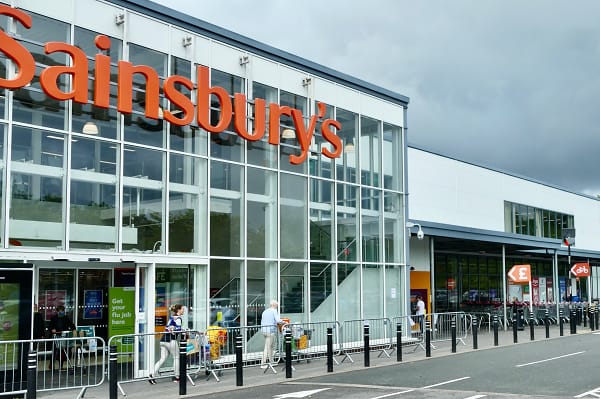
Sainsbury’s is to phase out brown eggs from its own-brand ranges, replacing them with white-shelled varieties in a move the retailer says will reduce emissions as it accelerates towards its Net Zero targets.
The UK’s second-largest supermarket chain said the switch forms part of a wider effort to reach net zero across its own operations by 2035, and its full supply chain by 2050, with food sourcing changes playing a central role in meeting those goals.
According to the retailer, white eggs produce a 12.7 per cent lower carbon footprint than brown eggs, largely because the hens that lay them are smaller and require less energy-intensive feed. The company also argued the change could reduce pressure on land use and water consumption linked to animal feed production, while cutting manure output across the supply chain.
The move highlights how climate targets are increasingly reshaping even the most basic supermarket staples, with retailers adjusting sourcing decisions in response to environmental metrics embedded into corporate reporting frameworks.
Sainsbury’s said the transition would also bring animal welfare benefits, claiming hens that lay white eggs are less prone to feather pecking, a behavioural issue linked to stress in flocks.
The shift represents something of a reversal of decades of consumer preference in the UK. White eggs were once dominant on British shelves in the 1970s, before being largely displaced by brown varieties amid widespread — and unfounded — perceptions that they were more natural, healthier or less processed.
Those misconceptions were reinforced in part by claims that white eggs had been bleached, a rumour that persisted for years despite having no basis in fact.
More recently, white eggs have been largely confined to food service and catering supply chains, while retail demand has been overwhelmingly for brown eggs. Industry data suggests brown eggs still account for the vast majority of supermarket sales, with white-laying hens making up only around 15 per cent of the UK flock.
The British Egg Industry Council has previously noted that producers have spent decades shifting breeding stock towards brown-egg varieties in response to consumer demand, meaning a rapid reversal could present logistical challenges for supply chains.
Sainsbury’s said the change would be implemented within its own-label products, with the company insisting there is no difference in taste or nutritional value between white and brown eggs.
A spokesman said: “White eggs have the same delicious taste and nutritional benefits as their brown counterparts, but result in lower emissions and better welfare outcomes for the hens that lay them.”
The retailer added that customers would be able to “enjoy their eggs knowing they are better for the environment and the hens”, as it continues to align product sourcing decisions with its wider sustainability strategy.
The move is likely to reignite debate over how far environmental targets should influence food production choices, particularly where consumer habits and long-established supply chains may not easily adjust to rapid structural change.


Leave a Comment