
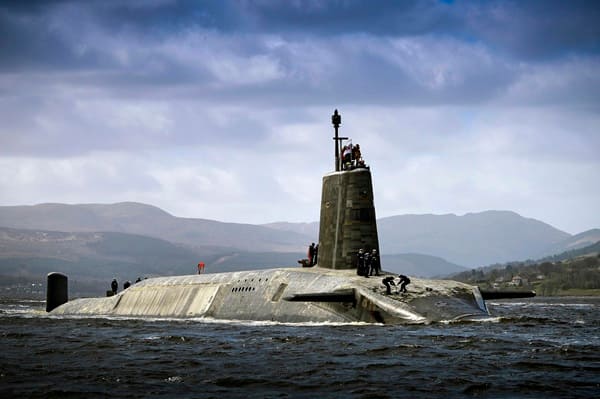
Britain’s nuclear deterrent has been plunged into a fresh funding storm after defence chiefs admitted the home of the Royal Navy’s submarine fleet requires a “massive investment” to bring it up to scratch.
HM Naval Base Clyde — better known as Faslane — is at the centre of concerns over ageing infrastructure, with ministers warning that years of underinvestment have left a growing backlog of repairs and upgrades.
The warning comes as Britain faces a more dangerous global security landscape, with rising tensions with Russia and mounting pressure on NATO allies to strengthen their armed forces.
Defence Readiness Minister Luke Pollard admitted the base does not currently provide everything needed to support the UK’s submarine fleet.
“We need good facilities to dock the submarines, we need good facilities to maintain the submarines and we need good facilities for our people who work there,” he told MPs.
“At the moment, it’s fair to say, what we inherited doesn’t deliver all three of those.”
Read more related news:
Defence Chief warns pay up or ‘we will have to dial back our activities and our exercise’
Reeves brutally savaged and told ‘defence of the realm is not an accountant’s job’
NATO warning for UK as US loses patience over defence spending
Poland savages Starmer over defence to ‘pay up or fade into irrelevance’
The minister said the long-delayed Defence Investment Plan (DIP) would unlock funding for Faslane, claiming major spending would be needed to modernise submarine infrastructure.
The admission follows reports that the Royal Navy’s ageing submarine fleet has faced growing maintenance challenges, with availability problems affecting both Astute-class attack submarines and Vanguard-class boats carrying Britain’s Trident nuclear deterrent.
Mr Pollard blamed previous “austerity policies” for creating a “real backlog” of work, insisting upgrades were now essential.
The comments come after a turbulent period for the Government’s defence plans.
The Defence Investment Plan was originally expected last autumn but has been repeatedly delayed amid arguments over funding. Former Defence Secretary John Healey and Armed Forces Minister Al Carns both resigned amid concerns that the proposed spending package did not go far enough.
Britain’s outgoing Prime Minister has promised the plan will “completely overhaul” defence spending and is expected to publish it before the upcoming NATO summit.
But defence analysts have warned that time is running out as allies demand stronger commitments.
The pressure on Faslane comes as the Royal Navy’s submarine fleet faces increasing operational strain. Reports have suggested all five Astute-class hunter-killer submarines were recently undergoing maintenance, while Vanguard-class vessels have endured longer deployments due to delays.
For the crews who operate beneath the waves, the pressure is immense. Some submariners can spend more than 200 days away on patrols protecting Britain’s nuclear deterrent.
Now, the base supporting those missions is itself facing a race against time.
With threats growing and NATO allies demanding greater military readiness, the question facing Britain is whether its submarine infrastructure can be repaired before the next crisis arrives.


Leave a Comment