
More than £1.1bn has been committed to Britain’s van, truck and bus manufacturing industry and its supply chains since 2021, highlighting the growing importance of the sector as global demand shifts towards zero-emission transport.
New analysis from the Society of Motor Manufacturers and Traders (SMMT) shows that investment is supporting a broad commercial vehicle manufacturing base, with more than 30 models and conversions already in production or planned.
The investment spans low-emission vehicles alongside electric and hydrogen-powered vans, trucks and buses, as well as thousands of advanced components. More than a third of SMMT members are active in commercial vehicle production or its supply chain, with the industry’s footprint extending across all regions of the UK.
International investors are also maintaining a significant presence in the sector. Companies from more than 20 countries, including the US, Japan, China, India and countries across Europe and the Middle East, operate manufacturing, research and development, supply or services businesses in Britain.
The government’s £4.5bn DRIVE35 programme is intended to support further investment, with 42 zero-emission vehicle and supply-chain projects capable of benefiting the commercial vehicle sector already receiving backing.
Britain’s trade relationships also provide manufacturers with access to international markets. UK trade agreements cover about 100 countries and markets, including the EU-UK Trade and Cooperation Agreement and the Comprehensive and Progressive Agreement for Trans-Pacific Partnership.
More than half of British-built commercial vehicles are exported, with roughly nine in 10 exports destined for Europe.
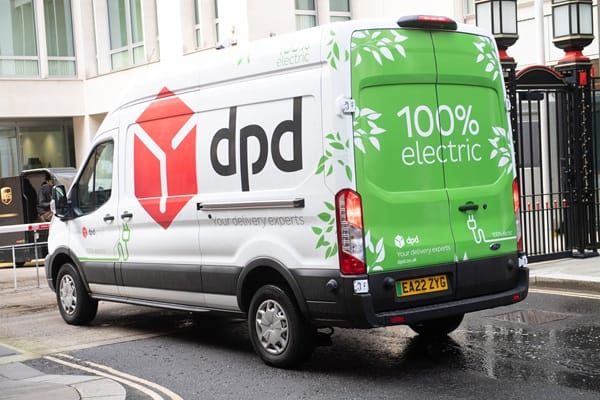
The sector is becoming an increasingly important component of Britain’s transport decarbonisation strategy. Eighteen of the commercial vehicles currently being produced or planned for UK production are zero-emission vehicles, alongside a supply chain spanning batteries, hydrogen fuel cells, semiconductors, electric drive units, magnets and energy storage systems.
The UK’s electricity mix could also strengthen the environmental case for domestic production. More than 40% of British electricity generation came from renewable sources in 2025, potentially giving UK-built electric vehicles a lower embedded carbon footprint than vehicles manufactured in some other major markets.
Domestic demand provides another potential source of growth. Britain was Europe’s second-largest market for both vans and heavy goods vehicles in 2025, recording 315,422 van registrations and 40,504 HGV registrations.
The UK was also Europe’s largest zero-emission bus market, with 2,508 registrations last year, representing 27.1% of total European demand.
More than 80 zero-emission van, truck and bus models are now available in Britain, while government incentives and infrastructure investment worth more than £1.7bn have supported fleet adoption.
Mike Hawes, SMMT chief executive, said: “The shift to zero emission road transport is creating new opportunities across the global commercial vehicle industry, from vehicle manufacturing and engineering to supply chains and advanced technologies.
“The UK’s strength lies in its combination of industrial capability, innovation, skilled people and international partnerships. With investment already flowing and demand rising for next-generation vans, trucks and buses, the sector is well placed to help shape the future of sustainable mobility.”


Leave a Comment