
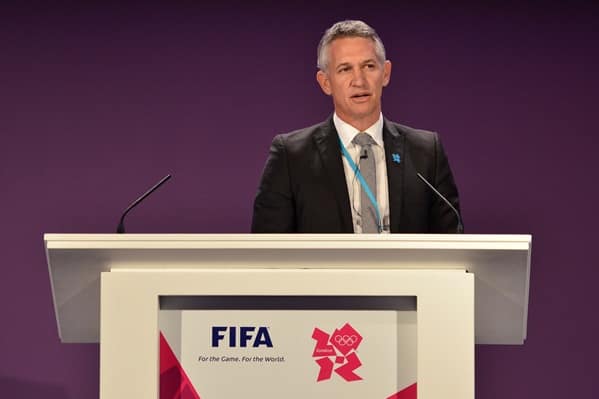
Pressure is mounting on Prime Minister Andy Burnham to consider higher taxes on Britain’s wealthiest households after more than 120 millionaires, including broadcaster Gary Lineker, publicly called for a levy on extreme wealth to help finance public services and tackle inequality.
The intervention, organised by campaign group Patriotic Millionaires UK, comes as the new government prepares its first Budget amid growing scrutiny over how it intends to fund a series of spending commitments while maintaining fiscal discipline.
Chief Secretary to the Treasury Emma Reynolds welcomed the group’s willingness to contribute more but declined to indicate whether ministers would pursue a wealth tax, insisting any major fiscal decisions would be unveiled at the Budget.
“We have to look at tax policy in the round,” she said, while noting that individuals are already free to make voluntary payments to the Treasury.
The campaign argues that a 2 per cent annual levy on wealth exceeding £10 million could raise £24bn a year, with further reforms to capital gains taxation generating an additional £12bn. Signatories contend the proceeds could be used to reduce inequality, strengthen public services and support investment in infrastructure and smaller businesses.
Lineker said Britain’s wealthiest citizens could “do more”, describing higher contributions from those with substantial fortunes as consistent with “a basic British value” of paying a fair share.
The proposal has reignited a long-running debate over whether wealth taxation would broaden the UK’s revenue base or instead risk accelerating the departure of wealthy entrepreneurs and investors.
Conservative leader Kemi Badenoch dismissed the idea, arguing that raising taxes on wealth creators would ultimately undermine economic growth. She maintained that improving living standards depended on supporting businesses that generate investment, employment and tax revenues rather than imposing additional levies.
For the Burnham government, the issue encapsulates a broader fiscal dilemma. With borrowing costs elevated and demands on public spending increasing, ministers face growing pressure to identify politically acceptable sources of revenue without weakening Britain’s investment appeal. The autumn Budget is now shaping up as the first major test of that balancing act.


Leave a Comment