
An Iranian nuclear facility has caught fire following a series of attacks, escalating tensions across the Middle East and raising international concerns.
The Khondab Heavy Water Complex, part of the Arak Nuclear Complex, was struck twice today, according to Iranian state media.
Eyewitnesses reported that the site experienced around ten bombardments over several hours.
At approximately 6 PM local time, black smoke was seen billowing into the sky from the complex. Iranian authorities confirmed that pre-emptive safety measures had been implemented and stressed that there is no immediate radiation risk to the surrounding population.
While state media reported that two projectiles hit the facility directly, other incoming munitions were successfully intercepted by Iran’s air defence systems.
Read more related news:
Russia warns ‘the biggest war in the Middle East could still be ahead’
US deploys robotic uncrewed speedboats to counter Iran’s attack boats
UAE ready to join maritime multinational force to reopen Strait of Hormuz
Tusk warns ‘a new escalation’ may occur ‘in the coming days’
The strikes seem to follow explicit warnings from the Israeli Defence Forces, which had previously broadcast messages in Persian announcing that military infrastructure in Arak would be targeted. The facility, which produces heavy water used in specific nuclear processes, has long been a focal point of international concern regarding Iran’s nuclear ambitions.
The IDF wrote on X: “Urgent warning to all individuals based in the northwest of Arak and individuals based in the Khairabad industrial area in the Arak region based on the red-designated area on the attached map.
The Israeli Army, continuing its actions in recent days across Iran to strike the military infrastructure of the Iranian regime, will conduct operations in these areas in the coming hours.
“Dear citizens, for the sake of your safety and well-being, we kindly request that you immediately evacuate the aforementioned designated areas indicated on the map. Your presence in these areas endangers your life.”
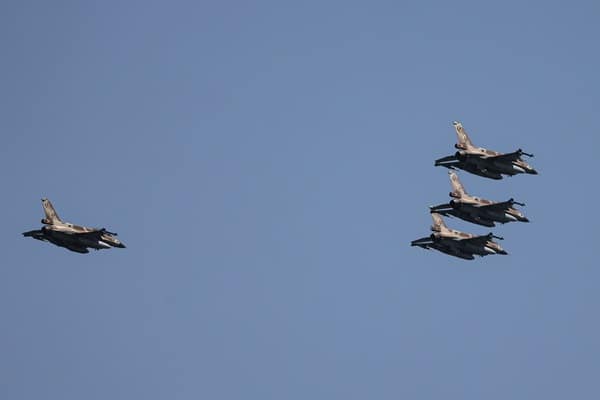
The IDEF added: “On three fronts simultaneously, the Israeli army has launched extensive airstrike operations in Iran. The Israeli army has, at this moment, begun attacking the infrastructure of the Iranian terrorist regime simultaneously in three regions inside Iran.”
Analysts suggest that the attacks may be part of a strategic campaign to disrupt Iran’s nuclear program without triggering a broader war. “Striking nuclear infrastructure is a highly sensitive operation,” said one Middle East security expert.
“The goal is likely to delay Iran’s capabilities while avoiding direct civilian casualties or escalation into full-scale conflict.”
‼️هشدار فوری به کلیه افراد مستقر در شمال غرب شهر اراک و افراد مستقر در ناحیه صنعتی خیرآباد در منطقه اراک بر اساس ناحیه مشخص شده قرمز رنگ بر روی نقشه ضمیمه.
⭕️ارتش اسرائیل همچنان که در روزهای اخیر در سراسر ایران برای حمله به زیرساخت های نظامی رژیم ایران اقدام کرده است، طی ساعاتی… pic.twitter.com/eetW53MQmy
— ارتش دفاعی اسرائیل | IDF Farsi (@IDFFarsi) March 27, 2026
This escalation occurs amid growing regional tensions, including recent clashes in the Gulf, the U.S. deployment of robotic naval drones in the Strait of Hormuz, and warnings from European officials about potential escalation. Iranian authorities have condemned these strikes as acts of aggression, vowing to retaliate against any perceived foreign intervention on their soil.
International observers are closely monitoring the situation, concerned that repeated strikes on nuclear facilities could prompt Iran to accelerate its nuclear program underground or respond militarily. This could potentially draw in Israel, the United States, and regional allies.
For local populations, Iranian officials are urging calm, emphasising that safety protocols are fully operational. However, the dramatic imagery of smoke and fire has circulated widely on social media, amplifying global attention.
This latest attack underscores the fragility of security in the region and highlights the ongoing risk that targeted military actions may lead to a wider conflict, particularly as Iran’s nuclear infrastructure remains a focal point of tension with Israel and Western powers.


Leave a Comment