
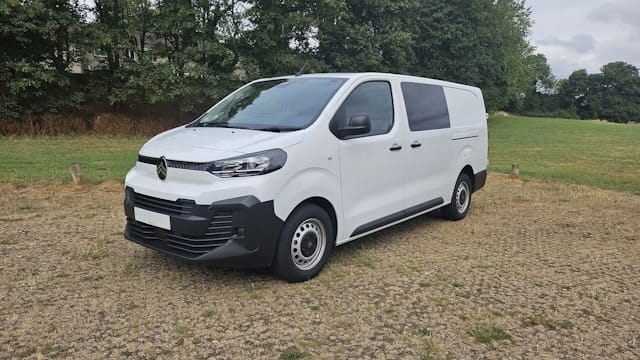
Commercial vehicles are often viewed simply as a way to move people, equipment, or products from one location to another. In reality, they influence nearly every part of a business. Fuel costs, maintenance, reliability, downtime, and vehicle availability all affect productivity, customer satisfaction, and overall profitability.
For companies that depend on daily transportation, every hour a vehicle spends out of service can delay projects, increase operating costs, or reduce revenue. Successful businesses therefore evaluate commercial vehicles as long-term business assets rather than one-time purchases. Understanding the full cost of ownership helps owners make decisions that support steady growth instead of creating avoidable expenses.
Reliable equipment helps vehicles stay productive
Commercial vehicles often operate in demanding environments where dirt, mud, grease, and debris accumulate quickly. Regular cleaning is more than a cosmetic task because it helps crews inspect vehicles more easily, identify leaks or damage, and maintain professional standards when arriving at customer locations.
Businesses evaluating commercial pressure washer for rental companies are often looking for equipment capable of supporting frequent cleaning in demanding commercial settings. Well-maintained vehicles generally spend less time dealing with preventable issues and present a stronger image to customers throughout their service life.
Cleaning also supports routine inspections. Removing heavy dirt from work vehicles makes it easier to identify worn hoses, damaged fittings, loose components, or fluid leaks before they develop into larger maintenance problems.
Vehicle downtime can cost more than repairs
Many owners focus primarily on repair invoices when evaluating vehicle expenses. The larger financial impact often comes from downtime. A van or truck sitting in a repair facility cannot deliver products, transport employees, or serve customers.
Unexpected downtime may require businesses to rent replacement vehicles, reschedule appointments, or delay projects. In industries where schedules are tightly managed, those disruptions can affect customer relationships as much as the direct repair costs themselves.
Preventive maintenance reduces many of these risks. Scheduled servicing, tire inspections, fluid checks, and routine cleaning help identify smaller issues before they become major mechanical failures. While preventive maintenance requires ongoing investment, it is often less expensive than emergency repairs combined with lost productivity.
Businesses that monitor maintenance history also gain valuable information when planning future vehicle replacements. Understanding which vehicles remain reliable and which generate repeated repair costs supports better purchasing decisions.
Specialised vehicles require specialised planning
Not every commercial fleet serves the same purpose. Construction companies, utility contractors, landscapers, delivery services, and off-road operators all place different demands on their vehicles. Purchasing decisions should reflect those specific operating conditions rather than following general industry trends.
Companies working with rugged terrain, utility access, or off-road conditions may also depend on specialised components. Businesses exploring a jeep parts store can see how suspension, steering, armour, and drivetrain upgrades support vehicles built for more demanding environments. Selecting equipment suited to the job often improves reliability while reducing unnecessary wear.
The same principle applies across every industry. Vehicles designed for the work they perform usually require fewer compromises than adapting unsuitable equipment after purchase.
Fleet efficiency depends on more than fuel economy
Fuel is one of the largest operating expenses for many commercial fleets, but it represents only one part of overall efficiency. Driver scheduling, route planning, maintenance practices, idle time, and vehicle utilisation all influence operating costs.
A vehicle that spends hours waiting between jobs generates little value regardless of how fuel-efficient it may be. Likewise, poorly planned routes can increase mileage, maintenance requirements, and employee time without improving customer service.
Technology has made fleet management easier through maintenance tracking, GPS routing, digital inspections, and service scheduling. These tools help businesses identify inefficient patterns before they become expensive habits. Small improvements repeated across an entire fleet often produce significant savings over time. Fleet operating costs are influenced by fuel, maintenance, repairs, utilisation, and administrative expenses, making ongoing monitoring an important part of profitable fleet management.
Smart vehicle decisions support long-term growth
Commercial vehicles rarely generate profit on their own. Instead, they allow employees to deliver services, complete projects, and reach customers efficiently. Every purchasing decision should therefore consider how the vehicle contributes to the broader operation of the business.
Buying the least expensive option may reduce initial spending while increasing maintenance costs and downtime later. Purchasing equipment that exceeds actual business needs can also reduce profitability by tying up unnecessary capital. The strongest investment usually balances reliability, operating costs, expected workload, and future growth.
Regular reviews help businesses determine whether older vehicles continue providing value or whether replacement has become the more economical choice. Maintenance records, repair frequency, fuel consumption, and utilisation all provide useful information when making those decisions.
Commercial vehicles are among the most important working assets many businesses own. Looking beyond the purchase price and considering reliability, maintenance, productivity, and long-term operating costs allows owners to make decisions that strengthen profitability year after year.



Leave a Comment