
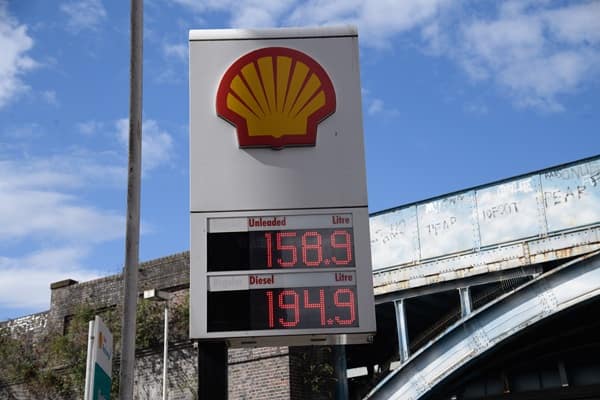
Business groups are stepping up pressure on the Chancellor to abandon plans for a 5p rise in fuel duty, warning that households and firms are already facing renewed cost pressures linked to the economic disruption caused by the Middle East conflict.
Logistics UK has repeated its call for Chancellor Rachel Reeves to reverse the scheduled increase, due to begin in September, arguing that the timing risks compounding inflationary pressures across supply chains at a fragile moment for the economy.
The intervention comes as the Treasury prepares to set out a package of measures to support families and businesses amid the knock-on effects of geopolitical instability in the Middle East, which has unsettled energy markets and raised concerns about transport and shipping costs.
Industry leaders say higher fuel duties would feed directly into logistics costs, with knock-on effects for food prices, retail margins and household bills. They argue that any tax rise on diesel and petrol would effectively act as a “multiplier” on already elevated operating costs.
Logistics UK said firms were still absorbing previous cost shocks and warned that further pressure on fuel prices could slow investment and weaken resilience across freight and distribution networks.
“Our members provide everything that every part of the economy relies on, every day,” explains Ben Fletcher, Logistics UK’s Chief Executive, “but they are currently facing ever increasing cost pressures, most notably the sharply rising price of fuel. Crude oil now costs over $110 a barrel, and the cost of filling up a large HGV has risen by 31% to nearly £1,000 in the past three months. With most logistics businesses operating on very narrow margins and unable to absorb this level of increase, we have made clear to government that the impact is likely to be higher inflation for everyone.
“The rise in fuel prices has already benefitted the Treasury to the tune of £42 million in increased tax take since the end of February, so it is right that the government now reverses its decision to increase fuel duty, which would provide a welcome boost to our industry at such a tough trading time, as well helping to reduce price rises on the shelves.”
As Mr Fletcher continues, there could also be an impact on the industry’s ambitions to decarbonise in line with the government’s Net Zero targets: “With so little financial headroom, rising fuel prices mean logistics businesses are being forced to prioritise business-as-usual costs over investing in future growth and a transition away from fossil fuels. What our members need is an urgent package of support from government, including measures on fuel duty, low carbon fuels, electricity costs and business rates, to ensure they can keep our hospitals stocked with medicines, our shops with food and our homes with access to the goods we rely on every day. Our industry cannot survive ever-escalating costs, so it is time for the government to step in, to ensure we can still deliver for the wider economy for the long term.”
The planned increase in fuel duty would mark a reversal of recent freezes and temporary cuts introduced during earlier energy price spikes. Treasury officials have previously argued that fiscal consolidation will require gradual increases in fuel tax revenues.
However, businesses say the economic backdrop has shifted again, with renewed instability in global energy markets linked to tensions in the Middle East, adding fresh uncertainty to pricing forecasts.
Ministers are expected to argue that targeted support measures will help cushion the most exposed households and sectors. But pressure is growing on the Chancellor to go further and reconsider tax rises that are seen as sensitive to inflation and consumer demand.
For now, the fuel duty decision has become an early flashpoint in the wider debate over how far the government should lean on taxation to balance the books during a period of global economic volatility.


Leave a Comment