
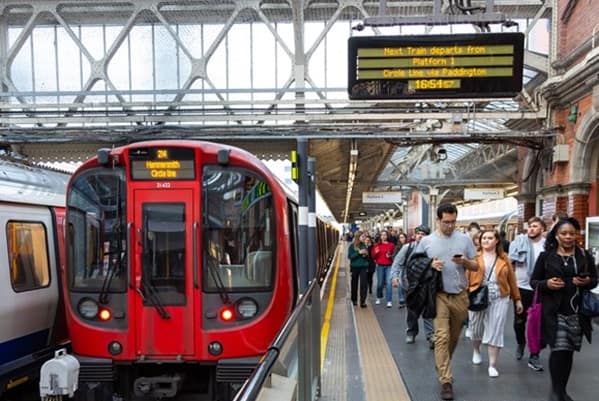
London is braced for fresh travel disruption after the RMT confirmed it is pressing ahead with Tube strikes next week, following the collapse of talks with Transport for London over proposed changes to drivers’ working patterns.
The union said discussions with TfL had failed to resolve a dispute centred on plans for a compressed four-day working week for London Underground drivers, which it claims could increase fatigue and undermine safety in a “safety-critical role”.
Further talks are now scheduled for Monday in a last-ditch effort to avert industrial action, but the RMT signalled it remains firmly at odds with transport chiefs and is seeking further concessions before any deal can be reached.
An RMT spokesperson said strike action was set to go ahead because TfL had “continued refusal to engage meaningfully” with the union’s concerns.
“Our members have raised serious concerns around fatigue, longer shifts, reduced flexibility and the impact these proposals could have in a safety-critical role,” the union said.
It added that while it remained open to talks, “London Underground cannot push ahead with changes to drivers’ working conditions while refusing to properly address legitimate safety and workplace concerns”.
The strikes are scheduled for Tuesday, June 2, and Thursday, June 4, with walkouts running from 00:01 to 23:59 each day.
Transport for London warned that the action is likely to cause significant disruption across the network, with no service expected on parts of the Circle, Piccadilly and Central lines, as well as sections of the Metropolitan line.
TfL said services that do run—including the Elizabeth line, London Overground, DLR and trams—are expected to be busier than usual, while Underground services will be heavily reduced during peak travel times.
Claire Mann, TfL’s chief operating officer, said she was “disappointed” by the decision to proceed with industrial action and insisted that the dispute could still be resolved through continued negotiation.
“We still believe that the points they have raised can be worked out in time,” she said, adding that TfL remained in discussions with union representatives in an effort to avoid disruption.
The dispute centres on proposals described by TfL as a voluntary four-day week with no loss of pay, a change it says is designed to improve working patterns and flexibility.
However, the RMT has dismissed the offer as a “fake” four-day work week, arguing it simply compresses five days of work into four, raising concerns about shift intensity and late roster changes.
The RMT’s stance has been complicated by the position of the Aslef union, which represents other train drivers and has backed the reforms, describing them as a significant improvement in working conditions.
Aslef has said the changes would deliver an extra 35 days off per year and reduce average weekly hours from 36 to 34, while also improving roster flexibility and enabling better long weekends and block leave.
With both sides still far apart, attention will now turn to Monday’s talks, where a narrow window remains to prevent further disruption to millions of London commuters.


Leave a Comment