
A petition demanding criminal charges against the police officers involved in the final moments of Henry Nowak’s life has surged past 160,000 signatures, underlining the extraordinary public anger that continues to surround one of the most controversial cases in recent British policing.
The appeal calls on the Crown Prosecution Service and Home Secretary Shabana Mahmood to pursue charges including manslaughter, criminal negligence and dereliction of duty against the officers who arrested the 18-year-old as he lay fatally wounded in Southampton.
It also demands the full publication of the Independent Office for Police Conduct’s findings without redactions, reflecting growing frustration among members of the public who fear crucial questions may never be fully answered.
The petition’s rapid growth demonstrates how the case has evolved far beyond a single criminal trial.
Last week, Vickrum Digwa was jailed for life with a minimum term of 21 years after being convicted of murdering Mr Nowak, whom he stabbed five times with a Sikh ceremonial blade.
Yet while the killer has been sentenced, public attention has increasingly shifted towards the actions of the police officers who arrived at the scene.
Millions watched bodycam footage released after the trial showing Mr Nowak repeatedly telling officers he had been stabbed and struggling to breathe.
Despite those pleas, officers handcuffed the teenager and placed him under arrest after Digwa falsely claimed he had been subjected to racist abuse.
In one of the most widely shared moments from the footage, an officer responded to Henry’s insistence that he had been stabbed by saying: “Don’t think you have, mate.”
For many viewers, that exchange became emblematic of what they saw as a catastrophic failure of judgment.
The public reaction has been fierce.
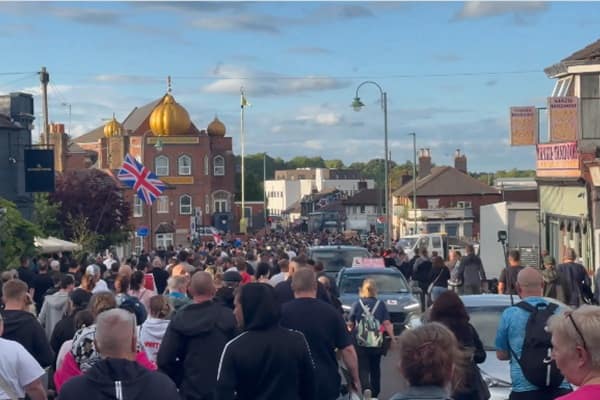
Questions have been raised in Parliament. Politicians from across the political spectrum have demanded answers. Demonstrations have taken place in Southampton. Meanwhile, allegations of “two-tier policing” have fuelled a wider national debate about policing priorities and public confidence in law enforcement.
The growing pressure comes as the IOPC continues its investigation into whether any officers committed misconduct.
The watchdog has stressed that its inquiry remains ongoing and that conclusions should not be reached before the evidence has been fully examined.
Derrick Campbell, the IOPC’s engagement director, has urged restraint, warning that speculation risks undermining future proceedings.
“We are acutely aware of the public interest in this case,” he said.
“This investigation is going to fully establish the circumstances of the case including whether there may be misconduct on the part of any of the officers involved.”
The Home Secretary has struck a similar note, cautioning against misinformation after several individuals were wrongly identified online as officers involved in the arrest.
One former Hampshire Police officer, who had no involvement in the incident and had already left the force, revealed she had received death threats after being falsely accused on social media.
Ms Mahmood also disclosed that another wrongly identified officer had reportedly been forced into hiding following a torrent of abuse.
The warnings highlight the increasingly combustible atmosphere surrounding the case.
On one side stand those demanding accountability and criminal prosecutions. On the other are officials insisting due process must be allowed to take its course before conclusions are drawn.
Ultimately, the decision over whether criminal charges are warranted will not be determined by petitions, however large they become.
That responsibility rests with investigators and, potentially, the Crown Prosecution Service once all evidence has been gathered and assessed.
Yet the scale of the public response illustrates the challenge now confronting British policing.
For many, the conviction of Henry Nowak’s killer was never likely to end the controversy.
Instead, it marked the beginning of a new and increasingly uncomfortable debate about whether those tasked with protecting the public failed an 18-year-old in his final moments — and whether the institutions responsible are capable of restoring public trust once that confidence has been lost.


Leave a Comment