
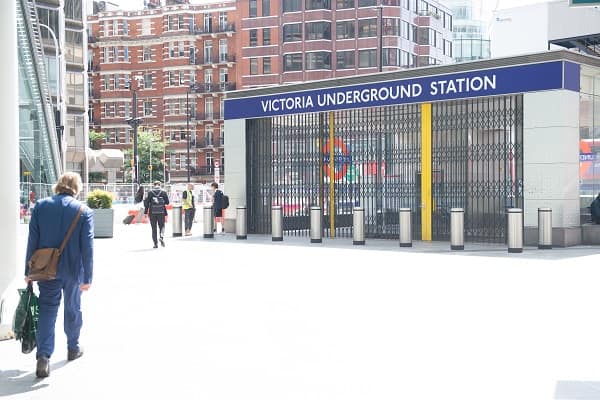
London’s hospitality sector is braced for a sharp hit this week as Tube drivers prepare to stage a 48-hour strike, disrupting travel across the capital and threatening a significant fall in restaurant and bar trade.
The industrial action, scheduled for Tuesday 2 June and Thursday 4 June, is expected to cause widespread disruption to commuter and visitor movement across the capital, with knock-on effects for pubs, restaurants and nightlife venues heavily reliant on footfall from the Underground network.
New analysis from hospitality software provider Access Hospitality suggests the economic impact could be severe. Drawing on previous industrial action, the company found that during the September 2025 Tube strike, pub, bar and restaurant bookings fell by as much as 67 per cent, while walk-in trade dropped by nearly 70 per cent.
The figures point to the extent to which London’s hospitality economy remains tied to the city’s transport infrastructure, particularly the Underground, which acts as a key artery for evening and weekend spending.
Industry operators are now warning that repeated disruption risks compounding already fragile trading conditions for venues still grappling with high operating costs, labour pressures and subdued consumer confidence.
Hospitality groups say that while some venues may see limited gains in neighbourhood areas as workers stay local, central London businesses are likely to bear the brunt of the downturn, particularly in areas dependent on office workers and tourists.
Transport disruption also risks altering consumer behaviour more broadly, with many commuters expected to work from home or avoid non-essential travel altogether during strike days. That shift typically translates into reduced spontaneous spending on food and drink, which forms a significant portion of daily hospitality revenue.
The latest action adds to growing tensions between transport unions and employers over pay, working conditions and staffing levels, with no immediate sign of a breakthrough in negotiations.
For businesses, the timing is particularly sensitive, coming at a period when many operators had been hoping for a sustained recovery in footfall following earlier disruptions and a challenging cost environment.
With two major strike days scheduled within the same week, the capital’s hospitality sector now faces another test of resilience — and another reminder of how closely its fortunes remain tied to the smooth functioning of London’s transport network.
Champa Magesh, Managing Director at Access Hospitality said: “We’ve seen from previous strikes just how significant the impact can be on hospitality businesses, with bookings dropping by 67%.
“The upcoming strikes are during a key trading window for hospitality, so it’s vital that businesses prepare now to minimise the risk of no-shows, cancellations and fewer walk-ins. With the right communication processes, flexible booking options and strong use of data, teams can react quickly and reduce the commercial fallout of the upcoming strike.”


Leave a Comment