
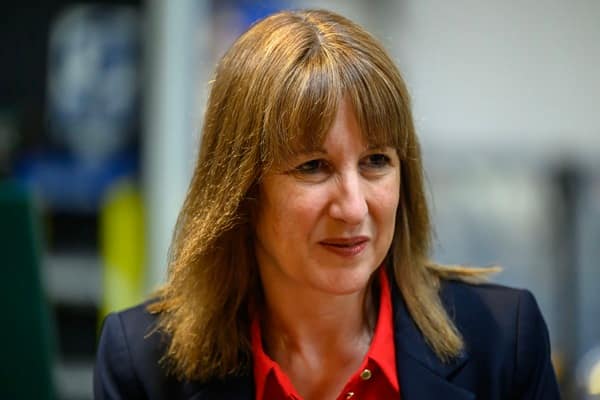
Chancellor Rachel Reeves is facing mounting pressure to abandon a planned rise in fuel duty as the economic fallout from the conflict involving Iran pushes petrol and diesel prices sharply higher across Britain.
The Treasury had previously insisted the long-frozen fuel duty rate would begin rising gradually from September as part of Labour’s broader fiscal plans. But growing concern over the impact of surging energy costs on households and businesses has prompted speculation that ministers may now be preparing a retreat.
Fuel prices have climbed steeply since disruption to shipping through the Strait of Hormuz intensified during the US-Israeli confrontation with Iran, raising fears over global oil supply and triggering volatility in international energy markets.
Petrol prices are estimated to have risen by around 20 per cent since the conflict escalated. In contrast, diesel prices have increased even more sharply, placing additional pressure on motorists, logistics firms and small businesses already struggling with high operating costs.
Under plans announced in last year’s Budget, fuel duty — currently 52.95p per litre — was due to begin returning gradually to its pre-2022 levels through a phased series of increases between 2026 and 2027.
The first rise, expected in September, would increase duty by 1p per litre, followed by further increases later in the financial year.
However, campaigners and industry groups have warned that implementing the increases during a period of geopolitical instability risks worsening the wider cost-of-living squeeze.
Howard Cox, founder of the FairFuelUK campaign, said current fuel costs were “crippling” for many motorists and businesses, arguing that the government had failed to respond to the scale of the economic shock linked to the Middle East crisis.
Several other countries, including France, Germany and Italy, have already moved to reduce fuel-related taxes or introduce relief measures in response to rising global oil prices.
Research by the RAC Foundation suggested recent increases at the pumps have already cost motorists billions of pounds in additional fuel spending within weeks of the latest escalation.
Average forecourt prices are now around £1.57 per litre for unleaded petrol and close to £1.90 for diesel in some areas, according to RAC figures.
Economists have also warned that higher oil and transport costs could feed directly into inflation later this year, complicating hopes that interest rates would begin falling more quickly.
Victoria Scholar, head of investment at Interactive Investor, said the conflict had dramatically altered expectations for inflation and borrowing costs.
“Were it not for the Iran war, it would be about this time that the UK inflation rate was finally expected to fall back to the Bank of England’s target,” she said. “Instead, interest rate and inflation expectations have drastically re-rated higher.”
Alongside pressure at the pumps, analysts also expect household energy bills to rise again when Ofgem announces its next price cap decision in July, with some forecasts suggesting increases of up to 10 per cent.
The Treasury declined to comment directly on reports of a possible reversal, saying only that it “does not comment on tax speculation”.
Nonetheless, the growing economic strain is likely to intensify pressure on Reeves in the coming weeks, particularly as Labour seeks to balance fiscal discipline with mounting voter anxiety over inflation and the cost of living.
What had once appeared a relatively modest revenue-raising measure is now threatening to become a politically charged test of whether the government is prepared to prioritise economic caution over its original tax plans amid an increasingly unstable global environment.


Leave a Comment