
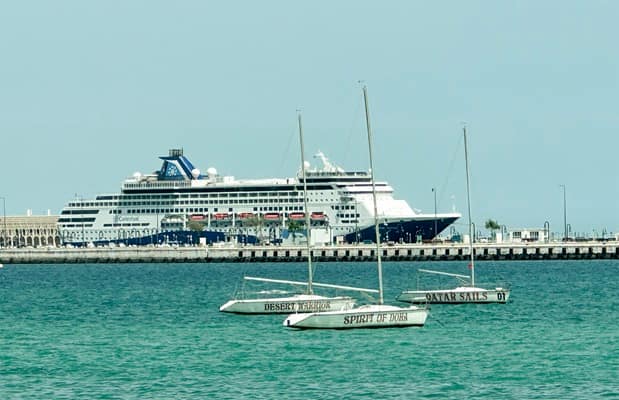
A rare hantavirus infection has been detected in Europe following a cluster of deaths and evacuations linked to the cruise ship MV Hondius, prompting treatment of a passenger in Zurich and precautionary public health responses across several countries.
Swiss authorities confirmed that a passenger from the vessel is being treated at University Hospital Zurich, with the country’s health ministry saying the facility was “prepared to deal with such cases” and able to ensure the safety of staff and patients.
Two other individuals — including a British crew member — were evacuated to the Netherlands for medical care after being removed from the ship, which had been anchored off Cape Verde while arrangements were made for disembarkation.
The vessel has since been cleared by Spanish authorities to continue its voyage to the Canary Islands.
The incident follows a series of deaths among passengers on board. A Dutch passenger died on 11 April, followed by the death of the passenger’s wife on 27 April, with authorities confirming a hantavirus variant in that case.
A German passenger also died on 2 May, although the cause of death has not yet been confirmed.
Hantaviruses are typically spread through contact with infected rodents, particularly via urine, droppings or saliva, and can cause severe respiratory illness. In rare cases, transmission between humans has been reported, according to the World Health Organisation (WHO).
While the cluster of cases has raised concern due to its unusual setting on a cruise ship, WHO director-general Dr Tedros Adhanom Ghebreyesus said that “at this stage, the overall public health risk remains low”.
“Three suspected hantavirus case patients have just been evacuated from the ship and are on their way to receive medical care in the Netherlands in co-ordination with WHO, the ship’s operator and national authorities from Cabo Verde, the United Kingdom, Spain and the Netherlands.
“WHO continues to work with the ship’s operators to closely monitor the health of passengers and crew, working with countries to support appropriate medical follow-up and evacuation where needed.
“Monitoring and follow-up for passengers on board and for those who have already disembarked has been initiated in collaboration with the ship’s operators and national health authorities. At this stage, the overall public health risk remains low.”
European health authorities have moved quickly to isolate and treat affected individuals, with hospitals in Switzerland and the Netherlands taking in patients linked to the outbreak.
Authorities are continuing to investigate the source of infection aboard the vessel and whether environmental conditions on the ship may have contributed to transmission.
Although hantavirus infections are uncommon in Europe, outbreaks have previously been associated with exposure to rodents in rural or enclosed environments.
Health officials are now focusing on containment and monitoring, while stressing that there is currently no evidence of a widespread risk of transmission to the general public.


Leave a Comment