
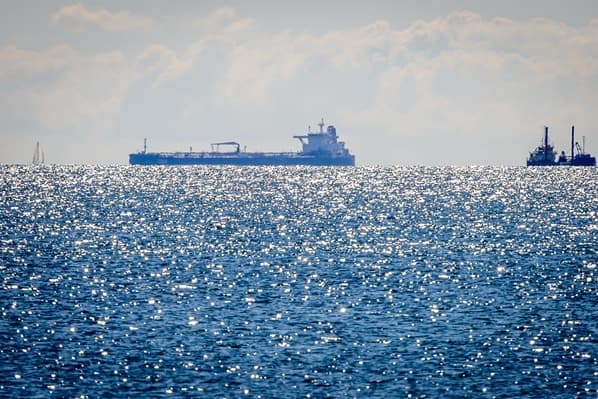
Since ministers announced new measures to address Moscow’s so-called shadow fleet, sanctioned Russian vessels have entered British waters at least once a day, but the Government has confirmed that no ships have been intercepted.
The disclosure has intensified criticism of Labour’s handling of maritime security amid growing fears over Russian activity near critical British infrastructure and undersea cables.
During a Commons committee hearing, Alistair Carns, the Armed Forces minister, acknowledged that sanctioned vessels had continued transiting through UK territorial waters despite the introduction of tougher enforcement powers in March.
Liberal Democrat MP Mike Martin told the hearing that 63 sanctioned Russian-linked vessels had passed through British waters since the measures were announced.
“That’s one a day,” he said. “To my knowledge, we haven’t interdicted any of them. Is that correct?”
Mr Carns did not dispute the figure.
“We haven’t interdicted them,” he admitted, while insisting each vessel had to be assessed individually under legal and operational rules.
The Government introduced new powers earlier this year, allowing British forces to board sanctioned vessels crossing UK waters as part of wider efforts to disrupt Russia’s sanctions-evasion network and maritime operations.
However, critics say the measures are proving largely symbolic while Russian-linked ships continue operating close to British shores.
The concerns come amid mounting alarm over Russian hybrid warfare activity in the North Atlantic.
Last month, Defence Secretary John Healey confirmed British and allied forces had tracked a Russian attack submarine and two spy submersibles operating near critical undersea cables for weeks before they withdrew.
RAF Poseidon submarine-hunting aircraft reportedly flew more than 50 surveillance missions during the operation, which involved around 500 British personnel and support from allies including Norway.
The Ministry of Defence says Britain has challenged more than 700 suspected shadow fleet vessels since October 2024, though officials declined to discuss operational details.
Russian shadow fleet tankers have become increasingly important to Moscow’s economy since Western sanctions were imposed following the invasion of Ukraine, allowing oil exports to continue through opaque ownership structures, false registrations and evasive shipping practices.
Brussels seized one such tanker earlier this year after authorities alleged it was sailing under false documentation and a fake flag.
Opposition parties have accused ministers of failing to respond robustly enough to the growing threat.
Shadow defence minister David Reed warned last month that “the Government is not moving fast enough to deter our adversaries”.
The row threatens to deepen concerns over Britain’s ability to protect critical infrastructure and territorial waters as Russia increasingly turns to covert maritime operations, sabotage threats and hybrid tactics to challenge NATO countries without direct military confrontation.


Leave a Comment