
Emily Thornberry has criticised Labour’s decision to soften sanctions on Russian oil products, warning the move risks undermining Britain’s standing as one of Ukraine’s closest allies.
The senior Labour figure is understood to have raised concerns, both privately and publicly, after ministers confirmed that diesel and jet fuel refined in third countries from Russian crude oil would still be permitted into the UK under revised sanctions rules.
The decision marks a significant softening of Britain’s earlier position, under which ministers pledged to prevent Russian-origin oil products from reaching British markets through intermediary states.
Critics argue the change creates a loophole that ultimately allows revenues linked to Russian energy exports to continue flowing despite the West’s broader sanctions regime against the Kremlin.
Dame Emily warned that the policy risks sending the wrong signal at a critical moment in the war, particularly given Britain’s prominent role in supporting Kyiv since Vladimir Putin launched the full-scale invasion in 2022.
Read more related news:
Empty promises from the government as Putin’s shadow fleet still sails through UK waters
China’s ‘neutrality’ tested as reports emerge of covert training for Russian troops
Putin’s meat grinder army pays a catastrophic price and starts going backwards
Labour is fuelling Putin’s war as another U-turn opens door to Russian diesel
Ms Thornberry said: We are talking about our allies in Ukraine who have been fighting a war bravely against Russia for years and years with our support.
“They have looked to Britain as one of their most important allies, and they don’t understand, given that we promised that we would stop this loophole in October, and we still haven’t done it. In fact, it seems to have got worse. People feel very let down.”
She told the BBC: “There was a G7 announcement on 19 May which said that they, the G7, had an unwavering commitment to put pressure on Russia, including sanctions on the energy sector and actions against entities in third countries that materially support Russia’s war effort, but we’re still saying that we’re going to take sanctioned oil, but so long as it goes to Turkey first and then it’s refined, we will use it.
Since the outbreak of the conflict, successive Ukrainian leaders have viewed Britain as one of their most dependable military and diplomatic partners, with London often taking a harder line against Moscow than several European allies.
The intervention exposes growing unease within Labour over the Government’s attempt to balance geopolitical pressure on Russia with mounting domestic concerns over fuel costs and energy security.
Ministers have defended the revised approach by arguing that disruptions in global energy markets — particularly amid tensions involving Iran and instability around the Strait of Hormuz — have increased the risk of fuel shortages and price spikes.
Officials insist the changes are designed to protect British consumers and to avoid disruption to aviation and transport supply chains, rather than to weaken support for Ukraine.
However, opponents argue that allowing refined Russian-origin fuel products into Britain weakens the moral clarity of the sanctions regime and hands Moscow an economic reprieve at a time when Western unity is under strain.
The row comes as the Government faces wider criticism over reports it has explored interventionist measures to shield households from rising living costs, including discussions around voluntary supermarket price caps and the possible suspension of planned fuel duty increases.
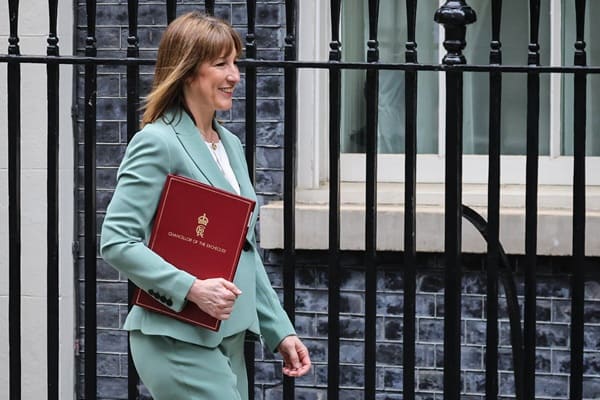
Rachel Reeves has defended Labour’s broader economic strategy, insisting ministers are responding pragmatically to global instability while continuing to back Ukraine militarily and financially.
But Dame Emily’s intervention highlights the political risks for Labour as it attempts to navigate the competing pressures of energy security, inflation and international credibility.
For critics, the concern is not simply economic. It is about whether Britain can continue to present itself as a leading opponent of Russian aggression while simultaneously reopening parts of its market to fuel products ultimately derived from Russian crude.




Leave a Comment