
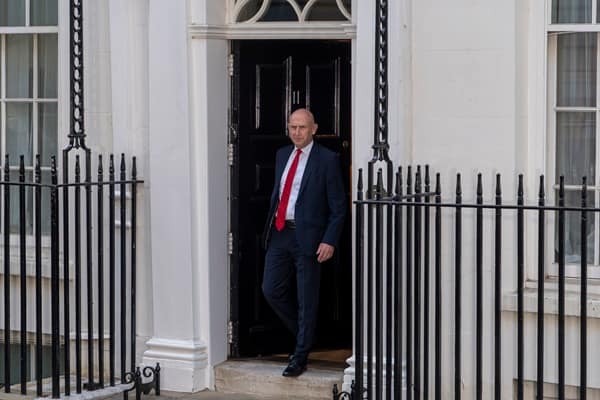
Kicking off our Budget 2026 coverage with over two months until the big day we run through all you need to know about the fiscal setpiece and what we can expect.
UK Autumn Budget 2026 will take place on Wednesday 28 October 2026. Chancellor John Healey said it will be a Budget “that moves money and power out of Westminster”.
He also – bond vigilantes take note – be a Budget “built on fiscal discipline … It will meet our fiscal rules”.
What do we know so far?
The country may have a new Prime Minister and Chancellor since the last Budget, but they will be covering some familiar ground and facing up to the usual obstacles.
On the big personal taxes no change is expected to income tax, VAT or National Insurance, with Labour sticking to its 2024 manifesto pledges. That leaves limited levers to pull if Labour wants to increase the rate of taxation. Combined with a resolute adherence to fiscal rules (more on that below), it could mean there is little that can be achieved without tinkering on the margins of the tax system and pursuing measures that run counter to boosting growth, as Rachel Reeves found out by raising employer national insurance contributions.
The Budget will feature a few themes to be aware about – fiscal devolution is the highlight, but it’s hard to see how this works in practice and what the market makes of it. On the spending front the focus is likely to be around defence and social care, which implicitly indicates more taxes will be required to pay for it. War bonds are not in the offing.
Taxes on wealth?
Andy Burnham, the Prime Minister, has previously hinted that the UK taxes labour more aggressively than capital, which could point to a preference to raising taxes on wealth. This could take shape with higher capital gains tax, which last rose to 24% from 20% in 2024.
The tax-free dividend allowance has already been cut to £500 per year from £5,000 a few years ago. Lowering this level would not be practical, but not unimaginable. More easily, the current marginal dividend rate of tax, ranging from 10.75% to 39.35% based on your earnings, could be brought closer in line with income tax.
It remains to be seen whether the government would seek to impose a straight wealth tax. Burnham has advocated for a Land Value Tax and hinted in the past about levying assets to pay for social care. He has not explicitly called for a general wealth tax but also has not ruled it out, suggesting recently that his government may have “to ask for a little more” tax at some point. Several on the left of the Labour party back a wealth tax, but Lord Jim O’Neil, the former Goldman banker who has been giving Burnham economic advice, has warned him off.
My bet is that with his base wanting action on the cost of living, the manifesto commitment on not raising the big three rates of tax and a bond market that is increasingly jittery about fiscal credibility, the path of least resistance is the ‘smorgasbord’ approach to wealth and property taxes.
Whither more spending?
Burnham has signalled he wants to use the Budget to help with the cost of living (already some modest measures on this front have been announced), increase spending on council housing and defence, and make a long-term financial commitment on social care.
So far some relatively small measures have been announced – VAT on domestic electricity bills removed from 1 October, £2 bus fare cap and a 20% business rates cut for pubs, clubs and live music venues from April 2027.
However, Burnham has signalled his intention to reduce welfare spending. All I would say is good luck with that; it was the undoing of Reeves that she could not get even a modest reform package past her backbenchers.
Another period of speculation on pensions?
The previous two Labour Budgets has seen all kinds of speculation about pension limits being cut, leading to withdrawals and investors pulling money out of portfolios that they may not have otherwise done.
In general pension savers can take 25 per cent of their pot tax-free from age 55 up to a maximum of £268,275. in the past there have been rumours that this would be cut to £100,000, which has prompted some providers to call on the Chancellor to commit to sticking to the current regime to avoid more people withdrawing funds early and placing funds in low-interest bank accounts instead of enjoying tax-free growth in the pension.
We may also expect some rumours about pension tax relief – when you pay into your SIPP you get relief at the highest marginal rate, which is estimated to cost the Treasury around £50bn annually. Reducing the level of relief would deter people from saving into pension pots and put a brake on efforts to get more people invested beyond cash.
What’s already in the post?
Several changes announced by Healey’s predecessor in Number 11 are due to take effect in the coming months that will have a material impact on investors – I don’t think the Chancellor will amend these changes so it’s worth reiterating here. From 6 April 2027 the overall ISA allowance of £20,000 will remain the same, but the cash ISA ceiling will drop to £12,000 for anyone under the age of 65.
Uninvested cash in a stocks and shares ISA will be taxed at 22% and in order to prevent investors getting around this they will be unable to hold 100% of their investment portfolio in money market funds.
Stay tuned
The Budget rumour phase is just getting started – it’s probably wise not to make financial decisions based on speculation about what might happen.


Leave a Comment