
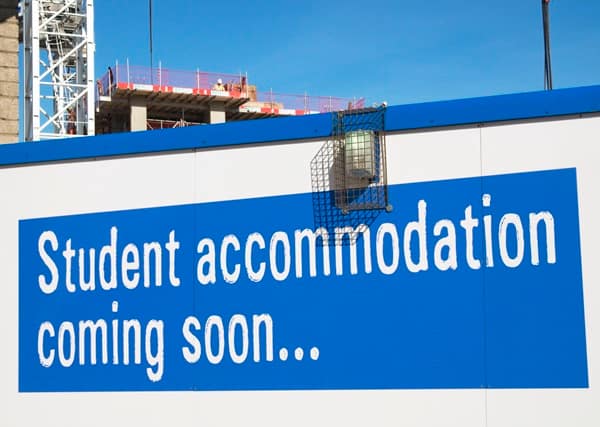
When listings start appearing in autumn, it’s tempting to book viewings before your group has discussed the basics. The rent may be higher than one housemate can afford, the bedrooms may not work for everyone, or nobody may have checked the journey to campus. Sorting out those disagreements early gives you more time to judge properties properly, without feeling pressured by other groups looking for next year.
Whether you’re moving out of halls in Leicester or London, start by agreeing who you’ll live with, what everyone can afford and how far you’re willing to travel to campus. The checks are similar in either city, although property availability and local requirements differ. Looking closely at the area, full costs and tenancy agreement before committing will help you avoid a rushed decision.
Step 1. Agree on your group and budget first
Before opening property listings, work out who is definitely planning to live together. A group of six becomes a group of five surprisingly quickly when someone decides to stay in halls or move in with their partner.
Set aside time to discuss the practical details, preferably with everyone present. You need answers to a few questions before arranging viewings.
- How many people are definitely joining the household?
- What is the maximum weekly rent each person can afford, and does that budget cover bills?
- Which facilities matter most, from bedroom sizes to bathrooms and communal space?
- Who will contact landlords, organise viewings and keep everyone updated?
Be clear about money from the beginning. Work out a weekly budget that covers rent, bills and everyday spending. If one person has £120 a week available for rent and everyone else is comfortable paying £160, agreeing on that difference before viewing properties will prevent an uncomfortable decision later.
It’s also worth discussing how you expect to live together. Friends who enjoy spending time together in halls might have different opinions about cleaning, visitors or noise once they share a kitchen.
Step 2. Check when student properties become available
Some Leicester student properties are advertised during the autumn for the following academic year. October and November are sensible months to start checking listings, although availability depends on the provider, property and intended move-in date.
When you start looking for student accommodation in Leicester, filter by group size, weekly rent and intended move-in date. Student Cribs lists Leicester flats for groups and individuals, with properties conveniently located for De Montfort University and the University of Leicester, so you can check which ones suit your plans before requesting a viewing.
Keep a record of properties that interest you, together with their availability dates and any unanswered questions. A shared document is easier to manage than dozens of links scattered across different group chats.
Step 3. Narrow down the areas worth considering
Start with the buildings where your lectures actually take place. A property advertised as close to a university might still leave you with a lengthy walk to your department.
De Montfort University is close to Leicester city centre, making nearby streets worth considering if you want to walk to lectures. Students at the University of Leicester might also look towards Highfields and Clarendon Park, depending on their usual journey and preferred surroundings.
Listings for student accommodation Leicester may cover both studios and shared houses, so check the bedroom count before arranging a viewing.
For each promising address, check the route to campus and nearby supermarkets. A cheaper property farther away might mean regular bus fares, especially during winter or when returning from evening activities.
Step 4. Book viewings and inspect the property carefully
Once you have a shortlist, arrange viewings that everyone, or at least most of the group, can attend. Seeing two or three properties close together makes differences in condition, layout and available space easier to judge.
Before visiting, confirm how many bedrooms the property has, what furniture comes with each room and whether bills are covered. Ask about the heating, broadband and arrangements for reporting repairs.
During the viewing, pay attention to things that photographs tend to miss. Check for damp patches around windows, signs of leaks, damaged fittings and ventilation in bathrooms. Test the mobile signal in bedrooms and look at whether the kitchen has enough storage for everyone.
There should be working smoke alarms on every storey used as living accommodation. Ask about any other fire safety arrangements and whether the landlord can provide the required safety records.
Look beyond the bedrooms too. Six people sharing one bathroom or a kitchen with limited cupboard space may find daily routines difficult, regardless of how attractive the property looks.
Take photographs or notes with permission and discuss the viewing afterwards. If the landlord or agent cannot answer a question, ask for a written response rather than relying on assumptions.
Step 5. Check the contract and costs before signing
Check whether the rent is calculated per person or for the whole property. Confirm which bills are covered, the payment schedule and whether a guarantor is required.
Tenancy and deposit rules differ across the UK, so the following requirements apply to properties in England. Some providers do not charge deposits. Where a tenancy deposit is required for an assured periodic tenancy, it must be protected in a government-approved scheme. For tenancies with annual rent below £50,000, the deposit is capped at five weeks’ rent. A holding deposit, if requested, cannot exceed one week’s rent for the tenancy.
England’s rental rules changed in May 2026. Most assured tenancies in private student houses now run on a rolling basis, although landlords of certain shared houses can seek possession at the end of the academic year if the legal conditions are met. Private halls run by providers signed up to the National Code usually offer a common law tenancy or licence for a fixed period. Check which arrangement applies and how it ends.
You should also understand whether you are entering a joint tenancy or signing an individual agreement. Under a joint tenancy, housemates can be responsible for unpaid rent owed by another tenant. Guarantors should check the extent of their own liability before agreeing to anything.
Check the licensing rules for the property’s address, since requirements vary between local councils. In Leicester, properties shared by five or more tenants from more than one household who share facilities generally require an HMO licence, although certain purpose-built flats are exempt. Selective licensing also applies to some rented homes in designated parts of the city.
Ask for the applicable gas and electrical safety records to confirm that the required inspections have been carried out.
Step 6. Know when to pause the search
A viewing that goes well can make everyone eager to secure the property, especially when another group is interested. Still, unanswered questions about payments, maintenance or contractual responsibilities deserve attention before anyone signs.
If your group cannot agree on the rent, give yourselves time to reconsider the budget. If the landlord refuses to explain contract terms or provide the required safety documentation, check your tenancy rights and seek independent help before signing.
If you’re studying in Leicester, the University of Leicester Students’ Union offers housing advice and can direct students towards support with tenancy questions and landlord disputes. Students in other cities can contact their own students’ union for local support before signing an agreement they don’t fully understand.
Keep the search moving without rushing
After each viewing, compare notes while the details are still fresh. Check the full weekly cost, the journey to campus and any questions the landlord hasn’t answered, then decide together whether the property is worth pursuing.
When a house suits your group and everyone understands the tenancy terms, you can move ahead without feeling pressured by other students looking at the same property. Finding somewhere suitable matters more than being the first group to sign, especially when you’ll be sharing the property throughout the academic year.



Leave a Comment