
Prime Minister insists ministers are working “flat out” to curb benefits spending, but refuses to set a deadline as economists warn of mounting pressure on household finances and public spending.
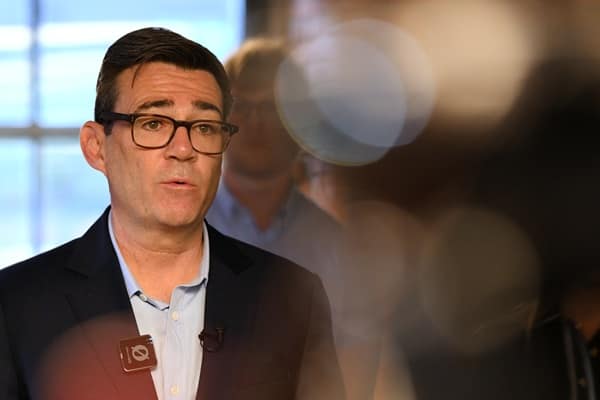
Prime Minister Andy Burnham has vowed to bring down Britain’s ballooning welfare bill “as quickly as possible”, as mounting concerns over sickness and disability spending expose the difficult choices facing the Government after the Budget.
Burnham’s intervention followed a series of interviews in which Chancellor John Healey was pressed to explain how ministers intend to control benefits spending after the Office for Budget Responsibility (OBR) warned that annual expenditure on sickness and disability benefits could reach £100bn before the end of the decade.
The Prime Minister said the Government was working “flat out” to reduce the bill, identifying the forthcoming publication of the Milburn report as a key step towards getting more people into employment.
“Now that we are through the Budget, the big next priority in front of us is the publication of the Milburn report, long awaited, but it’s coming soon,” he said during a visit to Derby on Thursday.
“We just want to get stuck into supporting people to help people off benefits and into work. There’s no delay there.”
Yet the Government’s determination to act has not been matched by a clear timetable. Treasury officials moved to clarify Healey’s remarks after they were interpreted as suggesting ministers expected welfare spending to fall before the next general election.
Asked by the BBC’s Today programme whether the benefits bill would be reduced before voters next went to the polls, Healey said there would be a reduction, arguing that an ever-growing bill was neither good for Britain nor consistent with Labour’s progressive ambitions.
Downing Street subsequently stressed that the Chancellor had not committed to a specific deadline, insisting ministers were not setting an “arbitrary target or timetable”.
The distinction matters. With welfare spending under growing scrutiny, ministers face pressure to demonstrate that reforms will deliver meaningful savings without withdrawing support from households already struggling with the cost of living.
Healey told LBC Radio that reform would not mean “crude benefit cuts”, warning that further pressure on people who were already “suffering” would go too far.
Instead, the Government says it will address the underlying causes of rising expenditure by helping more people into work and linking support to opportunities and responsibilities.
Further details are expected after two major reviews due to be published next month. Their recommendations could shape the Government’s approach to employment support and the long-term sustainability of the welfare system.
But the scale of the challenge extends beyond benefits. Britain’s weak household income outlook and constrained public finances are leaving ministers with limited room to manoeuvre.
The Institute for Fiscal Studies (IFS) warned after the Budget that the Government’s measures to ease the cost of living would not prevent living standards from falling.
Helen Miller, the think tank’s director, said the decade was on course to become the worst on record for household income growth.
“No amount of temporary cost of living packages will fix that,” she warned.
The IFS also criticised the decision to plug a £4.7bn shortfall in the defence investment plan, inherited from Sir Keir Starmer, partly through Treasury reserves.
The move leaves the Chancellor with less flexibility to respond to another economic shock, the think tank said. The reserves could also be needed to cover inflationary pressures on departmental budgets, potentially forcing difficult decisions over spending priorities.
The squeeze raises the prospect of renewed speculation over tax increases before the next Budget, particularly if economic conditions deteriorate or existing spending commitments prove more expensive than expected.
For Burnham and Healey, the political challenge is therefore twofold: convincing voters that welfare reform will deliver savings while demonstrating that the Government can protect living standards amid sluggish income growth and mounting demands on the public purse.
The forthcoming reviews may provide a blueprint for reform. But with ministers declining to specify when the benefits bill will begin to fall, the Government has yet to explain precisely when its ambitions will translate into measurable results.


Leave a Comment