
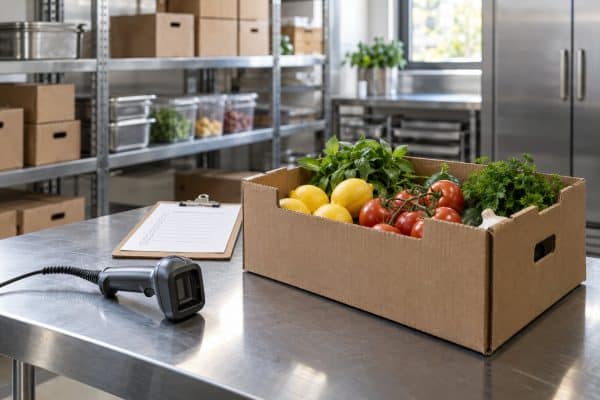
Resilient supply chains help London restaurants protect profit margins amidst ingredient price fluctuations, demand volatility, and unique operational pressures from high rents, labour costs, and local market expectations.
The ability of a restaurant to maintain steady margins depends increasingly on its supply chain design. Unpredictable input costs, fluctuating ingredient availability, and variable delivery times can quickly turn a profitable menu item into a loss-maker. Guests expect consistency and quality, but volatile supply can disrupt both service and pricing. For any operator, whether running a neighbourhood café or a high-end seafood restaurant London, supply chain resilience is no longer just contingency planning; it is a core business strategy.
Why supply chain challenges matter to profit
Supply chains have become a critical component in restaurant profitability due to persistent volatility in prices and sourcing. When input costs for items like produce, meat, or speciality products spike unexpectedly, a restaurant must either adapt quickly or see precious margins eroded. Delivery delays and shortages can also force last-minute menu changes, risk disappointing customers, and increase waste as teams scramble to substitute ingredients or dispose of perishable stock.
Profitability relies not just on what you sell, but how reliably you can acquire and serve the components that make up your dishes. Wider supply chain resilience concerns show why this is a live business issue beyond hospitality. Disruptions often translate directly into cost overruns, lost revenue, and reputational risk if guest experience suffers.
Main vulnerabilities for restaurant operators
Restaurants often face single-supplier risks or depend on complex distribution routes for essential ingredients. Relying on one supplier for key products like seafood or dairy can leave operators exposed if that partner experiences a disruption. Long, fragmented supply chains add to the uncertainty, especially for imported or niche items. These vulnerabilities are compounded by rising food and beverage costs, which put additional pressure on restaurant margins and make effective procurement planning increasingly important.
Food perishability compounds the challenge. Stock does not just risk running out, it may spoil or become unusable if not managed carefully. Shrinkage from spoiled or expired goods, and the need for last-minute substitutions when items fail to arrive, both undermine profitability and consistency.
Four practical resilience strategies
- Supplier diversification: Building relationships with multiple suppliers for key products reduces the risk of single-point failure and offers some protection when prices fluctuate.
- Flexible menu engineering: Creating dishes that allow ingredient swaps without sacrificing quality makes it easier to adapt when supply is inconsistent. Operators can design menus with core components that remain stable, while rotating elements shift with market availability.
- Smarter inventory control: Balancing lean stockholding with regular inventory checks helps prevent both waste and out-of-stock situations.
- Agile contracting: Negotiating contracts that provide a mix of price certainty and flexibility, such as volume-based agreements with alternative options, helps manage both long-term costs and short-term shocks.
Local and seasonal sourcing, benefits and trade-offs
Local and seasonal sourcing is attractive as a risk management lever, as it can reduce exposure to global supply chain issues and cut lead times. For some restaurants, buying directly from local producers creates a sense of place and story for guests, while supporting the regional economy.
However, local supply can introduce new constraints, such as limited capacity, higher prices during off-peak seasons, or sudden unavailability of key items. Consistency, cost control, and supply volume need careful balancing, especially for menus that rely on predictability for both guests and kitchen teams.

images.bazoom.net
Anticipating supply risks through better data
Proactive operators use forecasting tools to identify demand patterns and set reorder trigger points. Tracking supplier performance through KPIs such as fill rate (the proportion of orders fulfilled as expected), variance (deviation from forecasted quantities), spoilage, and the frequency of ingredient substitutions can offer an early warning when issues arise.
Monitoring these metrics allows for quicker intervention and can help you avoid both overstocking and last-minute menu changes that erode guest trust.
Operational response and staff training
Resilience goes beyond procurement. Training kitchen and front-of-house teams to manage substitutions, explaining changes honestly to guests while maintaining confidence, can make operational shocks less visible. Clear procedures for updating recipes, communicating shortages, and adjusting service flow are essential parts of a resilient operation.
Kitchens that align daily processes with current stock realities reduce waste and avoid service failures. Preparing your team for flexibility protects both guest experience and margin.
Resilience in high-sensitivity categories
In categories where supply and pricing can shift rapidly, such as fresh seafood, speciality produce, or artisanal cheeses, sustaining menu stability is particularly challenging. For operators managing a high-end seafood concept, for example, resilience often means having trusted backup suppliers and menus that can flex with market changes, without lowering standards.
The strategies above allow you to smooth out price swings and shortages, maintaining both profitability and brand promise.
Resilience as a sustained business advantage
Supply chain resilience is not a one-off project but an ongoing capability that sits at the heart of margin protection. By blending strategic sourcing, operational agility, and the disciplined use of data, restaurants can support profitability even in unpredictable trading conditions. Building resilience means trading some convenience for flexibility and never taking supply consistency for granted.



Leave a Comment