
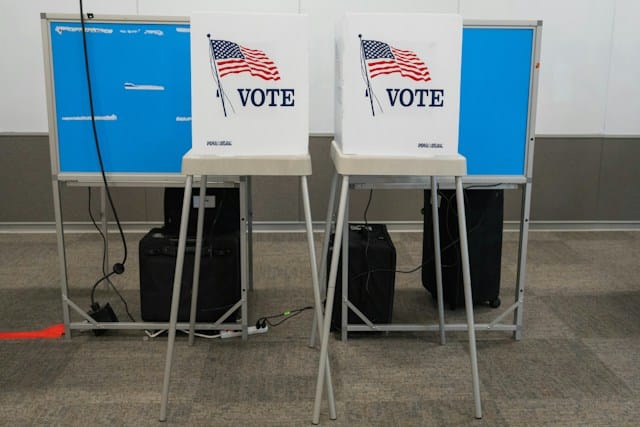
Political campaigns often spend millions trying to persuade voters who are already guaranteed to turn out. Winning tight races usually requires a completely different approach. Target those individuals who rarely make it to the voting booth, and you flip the script on your opponent.
Unlocking the low-propensity electorate
Reaching people who skip most election cycles means rethinking standard outreach tactics. Conventional wisdom says mailers and television ads do the heavy lifting, but disengaged voters routinely filter out generic political noise. Campaigns need direct engagement strategies that break through daily distractions and make voting feel personal.
When campaign teams look into the Political Comms swing district results, they discover that targeted contact makes a massive difference in tight races. Turnout spikes dramatically when field organizers build genuine connections instead of dropping off basic literature. Moving the needle requires listening to local concerns rather than repeating national talking points.
Field teams should prioritize knocking on doors in precincts with historical drop-offs. Talking through specific ballot measures helps citizens understand how local decisions affect their daily lives. Long-term strategy beats last-minute panic every single time.
Rethinking outreach strategy
Traditional campaign playbooks favor high-frequency voters because they are cheap to reach and predictable. Neglecting low-propensity citizens creates a massive untapped opportunity for organizers.
- Focus on direct conversation rather than passive impressions.
- Address hyper-local community concerns before national debates.
- Deliver clear instructions on registration deadlines and polling sites.
- Utilize trusted local leaders to deliver core messages.
Campaigns that commit to this work early build trust long before election day arrives. Personal contacts turn passive observers into active participants on ballot day.
Reaching non-voters requires moving resources away from broadcast television towards ground teams. Relational organizing programs empower volunteers to talk directly with friends and family members. Direct conversations from known contacts outperform cold calls every day of the week.
Insights from Census Bureau Research
Research from the United States Census Bureau highlights how targeted tracking methods help identify disengaged communities. Data modeling tools allow campaigns to locate specific areas where response rates historically lag. Knowing where these pockets exist helps campaign managers allocate field organizers far more efficiently.
Reaching these groups requires continuous presence rather than last-minute door knocking. When teams spend months in a neighborhood, voter confidence increases. Community members start viewing the election process as a tool for local change rather than an abstract exercise.
Field directors can use census tract metrics to map out daily canvassing routes. Targeting efforts based on structural data ensures no community gets left behind. Investing early in low-response areas creates a lasting precinct advantage.
Lowering structural barriers
Many low-propensity citizens want to participate but run into logistical hurdles. Confusing voter registration deadlines, changing polling places, and work schedules often stand in the way. Clear communication about voting options helps remove these friction points.
Digital tools can send timely text reminders about mail-in ballot deadlines and early voting locations. Simplifying the process transforms passive supporters into active participants.
Organizers should provide simple guides covering basic voter identification rules and polling locations. Offering ride shares or childcare coordination on voting day further clears the path. Removing minor inconveniences pays off in major turnout gains.
Evidence from federal overseas voting reports
Data provided by the Federal Voting Assistance Program highlights participation rates across distinct overseas populations. Reports indicate that out of 2.2 million eligible overseas citizens, roughly 11% cast ballots in 2024. This specific data point shows how huge gaps in turnout persist among specialized groups of voters.
Reaching citizens who face geographical or administrative hurdles requires targeted information drives. Explaining registration timelines and submission options clearly motivates citizens to finish their paperwork. Tailored outreach converts overlooked populations into active voters.
Campaigns must treat every distinct community with tailored messaging rather than generic mailers. Breaking down procedural steps helps turn potential non-voters into verified ballot submitters. Continuous updates across specialized channels ensure high participation rates.
Crafting messages that resonate
Generic slogans fail to move disengaged citizens. People who skip elections usually feel that political outcomes do not affect their daily lives. Overcoming cynicism requires direct, concrete messaging focused on local issues like road repairs, school funding, or community safety.
- Highlight immediate local benefits over broad national policy debates.
- Keep language direct and free of political jargon.
- Show clear connections between local offices and daily life.
When voters see a direct link between their ballot and their neighborhood, participation becomes a priority. Clear answers build momentum faster than vague promises.
Messaging must speak directly to personal experiences rather than party platforms. Candidates who listen closely build immediate credibility with hesitant audiences. Simple language wins over complicated policy white papers every time.
Mobilizing non-traditional networks
Reaching people outside standard political channels means partnering with community groups, local businesses, and faith-based organizations. These institutions already possess credibility with resident groups that traditional campaigns struggle to reach.
Coordinating with trusted community figures helps validate the campaign message. A recommendation from a respected neighborhood leader carries far more weight than a commercial.

Photo by Edmond Dantès on Pexels
Long-term investment transforms local political landscapes for future election cycles. Groundwork laid today reaps massive dividends on election night. Every single vote counts when tight races go down to the wire.





Leave a Comment