
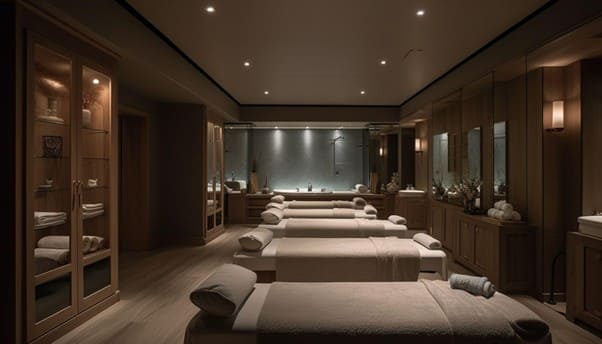
Lymphatic drainage has been a mainstay of specialist treatment rooms for some time now. Nowadays, it is present in physiotherapy, post-operative care, beauty clinics and wellness centres as well as in hundreds of home body-care routines throughout the UK. But it’s the treatment itself that seems to often be clouded in fact, speculation, and provable exaggeration.
Lymphatic drainage, in short, is meant to promote movement of lymph fluid flowing out through the body’s lymph pathways. The manual lymphatic drainage: MLD, is a specific type of gentle movements massage in early medical procedures, in particular used for the treatment of lymphoedema. According to the NHS, it is a method that assists fluid from swollen regions in reaching functioning lymph nodes where it can be drained better.
For this to make sense, we begin with an understanding of the actual function of the lymphatic system.
What are the functions of the lymphatic system?
The lymphatic system is composed of vessels, nodes and lymphatic tissues throughout the body. It is not like the cardiovascular system which uses one main pump, the heart. The movement of lymph is assisted by skeletal muscle contraction, respiration, fluctuation in interstitial pressure and more indirectly by contractions within the lymph vessels themselves.
It has three key roles: maintaining fluid homeostasis, supporting immune defence and draining excess fluid from the tissues of the body back to circulation.
In the process, tiny bits of fluid seep out from blood vessels and into surrounding tissues: The lymphatic network collects any excess fluid and proteins that seep into these spaces. Lymph is the term for that fluid and it eventually gets back into circulation.
Not only does this system function as a traffic controller, it is also an important player in immune surveillance. As lymph passes through lymph nodes, anything that could be potentially pathogenic to the body (including bacteria, abnormal cells, foreign material and other substances) can be filtered by and presented to immune cells. The Lymphatic system helps the body fight infection and also removes extra fluid, according to the NHS
On that understanding, we can understand why changes in limb circulation cause noticeable edema, heavy leg sensations and skin tightness and change.
How does lymphatic drainage work?
MLD is NOT a deep-tissue massage.
Although a firm pressure should never be used by a trained practitioner and instead slow light rhythmical movement is the norm. They are soft, feathering motions that gently stretch the skin to get fluid into areas where it can still be drained by ways of lymphatic drainage.
Not to mention, more pressure is not better. The majority of this superficial lymphatic network is situated very close to under the skin.
In lymphoedema patients, treatment usually starts with initiating drainage from healthy areas to more congested tissues. Where the fluid is able to go can also vary depending on lymphatic damage, surgery and individual anatomy.
A healthy person when receiving a wellness massage is generally less medical: temporary relief from puffiness, lightness of the limbs, relaxation and visual improvement in fluid-related swelling.
What are the impacts of lymphatic drainage on body health?
Reducing swelling
The best-established application of lymphatic drainage is the reduction of fluid-associated swelling.
Your lymph is unable to move freely and fluids build up in the tissues. Which is of special importance in lymphoedema, which may develop after damage to lymphatic vessels or lymph nodes.
Lymphatic drainage is an aspect of decongestive lymphatic therapy alongside exercise, skin care and compression. It is a management technique rather than a remedy.
Even for people without lymphoedema, temporary swelling (like the kind you might get from sitting too long or water retention) may seem to improve after being massaged; and this is not to be confused with treating an underlying medical condition.
Supporting immune function
Another important contributor to immunity is the lymphatic system itself. Immune cells are housed at lymph nodes, which filter material through this fluid.
However, this does not imply that lymphatic massage has been scientifically demonstrated to “boost immunity” in a healthy individual.
Rather, normal lymphatic flow should be regarded as being only a component of a healthy immune response. Lymphatic drainage might be beneficial for circulation of fluids in areas with drainage impairment, however should never ever come close to being marketed the same standing as sleep or nutrition, vaccines or medical treatment.
Supporting the body’s waste-removal processes
Detox is one of the most used terms to market lymphatic massage but we need some clarity on it.
Lymph helps to remove cellular debris, proteins, microorganisms and other material from tissues. This is then filtered by lymph nodes, which filter out everything that passes through the system. Your body does most of the major biochemical detoxification and waste-removal work in your liver, kidneys, lungs and digestive system.
This means that a massage does not actually detoxify your body.
This kind of full-body detox is a misnomer; lymphatic drainage can help the tissue fluid to flow properly.
Helping with inflammation-related swelling
Fluid retention due to inflammation of tissues. In selected cases, drainage techniques may reduce oedema resulting from certain inflammatory or post-traumatic conditions by enhancing the transport of accumulated lymph.
It doesn’t mean, of course, that lymphatic drainage is a universal constitutional remedy for inflammation.
Indeed, if the inflammation is in an infection, eg cellulitis then lymphatic drainage should be avoided until after the infection is resolved. The England guidance perceives the rationale for this suspension is based on best practice and that administration of MLD in conjunction with an episode of non-healing or acute infective cellulitis is poor clinical practice.
Supporting post-surgical recovery
This is often brought up after surgery, including cosmetic, dental, orthopaedic or cancer-related.
In certain situations, some clinical studies have shown reduced post-operative swelling while others did not show substantial or any improvement. The outcomes are very dependent on the operation, treatment timing and patient. For instance, studies of facial and orthopaedic surgery have not provided a single answer but instead produced an inconsistent body of results.
As such, anyone who is thinking of MLD following surgery should seek clearance from their surgeon or healthcare team first. Those fresh wounds, infections, blood clots along with other complications require clinical evaluation but not massage.
Enhancing the appearance of skin texture
Reduced fluid retention results in skin looking less puffy and more even immediately. This contributes to the popularity of lymphatic treatments within aesthetic body care.
Yet those smoother-feeling looks you may observe can be misleading: the fat or cellulite haven’t vanished after treatment.
Currently, there is little evidence for lymphatic drainage as a stand alone treatment for cellulite. What is more accurately considered as a potential method to improve the aesthetic appearance linked with cellulite and not necessarily a technique for permanent removal of cellulite and weight loss.
Where are lymph nodes distributed throughout the body?
Lymph nodes are found at intervals along lymphatic vessels throughout the body. Others, such as lymph nodes deep in the chest, abdomen and pelvis that are not palpable externally.
Clusters lower on the surface are frequented with the:
- head and neck
- area above the collarbone
- armpits
- groin
- region behind the knees
Easily accessible groups are located around the head and neck, axillae, groin and behind the knees according to Cambridge University Hospitals. Instead, nodes are filter stations along the larger lymphatic network instead of individual spots that need to be aggressively massaged.
What parts of the body can be treated with lymphatic drainage?
For several areas, lymphatic drainage may be adapted for the:
- Facial region and neck: Frequent use in cases of facial edema or head-and-neck lymphoedema diagnosed by a physician.
- Arms: Especially valid when lymphatic drainage was disturbed during an intervention involving axillary lymph nodes.
- Abdomen and trunk: Mild methods may be used in full-body sessions (however massaging the abdomen should be performed with care as it is contraindicated for several medical disorders or prior surgical procedures).
- Legs: Described as often indicated for treatment when swelling, weight or diagnosed lower-limb lymphoedema.
- Breast and chest area: Specialised drainage may be taught following cancer treatment in this region.
For example, the Lymphoedema Support Network provides independent advice on self-management of the head, face and neck; torso (and breast); arms; and legs, demonstrating specifically how technique must be adapted for each region.
You are not advised to keep pressing directly onto unexplained swollen lymph nodes. Any ongoing or atypical enlargement requires a medical evaluation.
What should you do before lymphatic drainage massage?
Myth: You need a special detox programme to get ready.
Drink as you would normally to arrive well hydrated, and try to have a relatively light meal instead of a very heavy one just before.
Wear a flexible dress and inform the practitioner about any present scientific conditions, medicinal drugs, latest surgical operation or unexplained swelling.
Lymphoedema should be treated by a trained lymphoedema practitioner and not through an ordinary spa massage. MLD is a specialized treatment, and organizations such as Cancer Research UK say that medical MLD must always be performed by somebody qualified in the technique.
What should you do after lymphatic drainage?
Walking, a gentle movement, assists the body in its own flow of lymph which moves muscle driven after an average session.
Normal hydration can be administered but forced high-volume water achieving is not medically indicated.
Wear your prescribed compression clothes from the lymphoedema team. Never replace massage with the compression, workout or skin-care practices you were given for your condition.
You also know your body response. Do not confuse any new pain, redness, significant heat, shortness of breath or increasingly deep swelling as a normal “detox response”; they require medical attention
How long should lymphatic drainage massage be and how many times do you need to do it?
There is no right schedule for everyone.
In lymphoedema patients, frequency is based on the level of swelling and the wider treatment plan. More intensive application of specialist MLD during an initial phase of treatment may be followed up with self-management techniques.
For example, one NHS service recommends having their 15-minute simple lymphatic drainage routine for the legs performed ideally once a day, but that refers to a particular self-management plan for lymphoedema rather than some kind of general wellness practice.
There is no scientific data to specify the need for lymphatic massage sessions on a weekly, monthly or a certain number of times in healthy adults who only wish to have a few sessions every now and again as a remedy for puffiness or health treatment.
The rational thing to do is adjust treatment frequency according to the indication for it; do not rely on some arbitrary “detox” schedule.
What equipment can be used alongside lymphatic drainage?
More and more modern beauty clinics accept additional body treatments interspersing massage. These techniques may have a role within an aesthetic routine but should never be mistaken for medical MLD.
Wood therapy
It was also called maderotherapy, the practice involved in various types of shaped wooden rollers and other tools to mechanically massage areas (thighs, waist and buttocks).
It usually also uses significantly more pressure than a traditional lymphatic drainage.
Occasionally, aesthetic practitioners use wood therapy in combination with gentler massage for body sculpting. Although there are limited clinical data supporting the use of wood therapy for lymphatic dysfunction. So it should be considered as only an aesthetic massage not as a lymphoedema treatment.
Cavitation, radiofrequency and vacuum treatments
Cavitation devices use ultrasound energy as part of non-invasive body-contouring treatments. Multi-function machines may also combine technologies such as radiofrequency and vacuum massage.
For example, some lymphatic drainage machine options marketed for beauty settings combine 40k cavitation, radiofrequency and vacuum functions. The manufacturer describes these technologies primarily in relation to body contouring and skin treatments rather than as a replacement for medical MLD.
Similarly, people researching equipment for aesthetic lymphatic drainage routines will encounter body-contouring systems combining several treatment methods.
The machines need screening for their own safety. If manual drainage has been recommended, it does not mean that cavitation, radiofrequency and vacuum treatment should be included in a post-operative or medically diagnosed lymphatic-care programme.
If a person has lymphoedema, recent surgery or another health problem, mechanical or energy-based equipment should only be used if their healthcare professional assessing them decides so.
Product image

Image: myChway UK
Multifunctional aesthetic device integrating cavitation, radiofrequency and vacuum technology.
How long has lymphatic drainage been popular in the UK?
Manual lymphatic drainage for itself is nothing new in the wellness arsenal.
One of the first formalised forms of MLD was devised in Europe in the 1930s by Emil and Estrid Vodder. This approach later became standard in lymphoedema treatment and specialised physiotherapy.
Although there is no one date when lymphatic drainage became “fashionable” in Britain – it has been a recognized part of UK lymphoedema care for decades. The UK’s Lymphoedema Support Network was formed in 1991 and organisations like the NHS now include manual lymphatic drainage within their lymphoedema management guidance.
More recently when it has become a mainstream beauty and wellness treatment.
Interest in Brazilian-style lymphatic massage, facial drainage, post surgical treatments and machine-assisted body care have seen an increase across London in the last 10 years. Social media had helped to spur a resurgence in interest — the Financial Times noted in 2025 that Brazilian therapist Flavia Morellato had brought her lymphatic treatment method to the UK in 2016. Versions of the therapy were soon added by luxury hotels, private clinics and celebrity-attending practitioners.
Multiple factors have contributed to that development.
Firstly, lymphatic massage is quite gentle and non-invasive as compared to many aesthetic treatments. The immediate reduction in puffiness, albeit temporary but visually significant for some clients, also adds to the overall effect. Third, this term has become more familiar because of post-surgical body care. Last but not least, social media has brought de-puffing and body-sculpting treatments to the forefront of the wellness vegan.
Is lymphatic drainage worth considering?
Lymphatic drainage is in a strange place between medicine and wellness.
It is widely accepted for the management of lymphoedema and specific types of fluid accumulation as applied in a comprehensive clinical strategy. We also understand its popularity in beauty treatments: a gentle massage can make some people feel less weighed down or puffy, and a temporary shift of fluids can change the shape of your face or body.
The first few are perfectly reasonable, simple enough to fill out yet troublesome when they evolve into claims of effortless weight loss in a matter of days, eternal disappearance of cellulite and curing all illness or grievances.
The lymphatic system is the second largest circulatory system in the human body, and your body already works 24/7. Well for the average healthy human, movement in general (and of course breathing) AND just every day physical activity all help to keep lymph moving along.
In the right situations, additional lymphatic drainage can be helpful. The secret comes from identifying if the intention is medical care, post-surgical recovery or just a health & wellness treatment, because each-and-every situation takes an appropriate extent of attention.
Disclaimer: This article is for informational purposes only and does not constitute medical advice. Always consult a qualified healthcare provider before using any aesthetic device at home. Individual results may vary.




Leave a Comment