
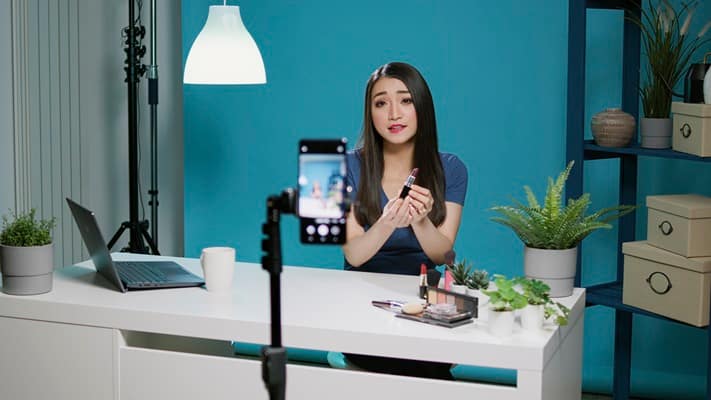
Walk down Brick Lane on a Saturday and you’ll spot far more people filming content than you did even a couple of years ago. That’s not a coincidence.
It’s a symptom of one of the biggest shifts in marketing to hit London’s agency scene in years. The A-list endorsement deal, once the gold standard for brand credibility, is quietly being outmuscled by a much smaller, much scrappier force: the micro and nano influencer.
For decades, “influencer marketing” meant paying a famous face a small fortune, getting a glossy post, and hoping the halo effect trickles down to sales.
Today, the perspective around this is different. Global brands with nine-figure marketing budgets are deliberately steering spend away from the mega-names and towards creators with a few thousand genuinely engaged followers. It sounds counterintuitive. It’s also working.
The numbers behind London’s quiet influencer rebellion
Micro-influencers (roughly 10,000–100,000 followers) and nano-influencers (under 10,000) have something unique that celebrities and even macro-influencers simply can’t buy: proximity. Their followers aren’t fans watching from a distance. They’re mates, colleagues, people from the same postcode. When a nano-creator in Peckham recommends a skincare brand, it lands less like an advert and more like a text from a friend.
Brands have cottoned on. Engagement rates of these posts can in many cases outperform celebrity posts, and the cost per creator is a fraction of the price. It means a brand can run twenty authentic, hyper-targeted partnerships for the cost of one celebrity shoot.
For an influencer marketing agency built around matching brands with the right creators at scale, this is where the real strategic work now happens: not chasing follower counts, but building networks of dozens or hundreds of smaller voices who move the needle for a specific audience, postcode, or purchase moment.
It’s a shift that rewards precision over prestige and it’s reshaping how UK agencies pitch, plan, and prove ROI to boardrooms that used to just want a famous name attached to the brief.
Why authenticity is outperforming reach
The bigger story here isn’t really about follower counts at all. It’s about trust, and Britain’s increasingly sceptical relationship with polished advertising. UK consumers, London ones especially, have become expert at spotting a paid-for post from a mile off.
What they respond to instead is content that feels unscripted: a genuine unboxing filmed in a Zone 3 flat, a review filmed on a lunch break, a recommendation that reads like it came from someone’s group chat rather than a media plan.
James Hacking, founder of Socially Powerful, has watched this shift play out first-hand across the agency’s work with brands including L’Oréal, Primark, and Amazon. “The brands getting this right aren’t chasing reach anymore. They are chasing relevance,” he says.
“A nano-creator with two thousand followers who genuinely loves your product will outperform a celebrity post every single time, because their audience actually believes them. That’s the entire game now: real people, real trust, real results.”
It’s a mindset that’s particularly suited to London’s fragmented, hyper-local culture. A city where a recommendation that works in Clapham might mean nothing in Camden, and where brands increasingly need dozens of authentic micro-voices rather than one big shiny one to cut through.
What this means for brands building their next campaign
For big brands watching this shift from the side-lines, the takeaway isn’t “influencer marketing is dead.” It’s that the definition of impact has changed. Reach used to be the headline metric. Now it’s trust, relevance, and the ability to speak authentically to a specific, well-defined slice of an audience.
That’s a harder strategy to execute than simply signing the biggest name available, and it’s exactly why more global brands are turning to specialist teams who understand how to identify, vet, and scale genuine micro and nano voices rather than treating influencer marketing as a bolt-on to a traditional media plan.
The brands winning right now are the ones building real relationships with dozens of smaller creators, and not just renting a famous face for a day.
London has always had a knack for spotting a cultural shift before it goes mainstream. This one’s already here. If you want to read more about the shifts in the content creator economy and the micro-and-nano influencer content trends, check out our latest Beauty Brand Social Index!


Leave a Comment