
Party pledges sweeping overhaul of political security as fears grow over threats facing Britain’s elected representatives,
Reform UK has called for a dramatic expansion of security measures for politicians, pledging round-the-clock protection for all MPs if it wins power at the next general election.
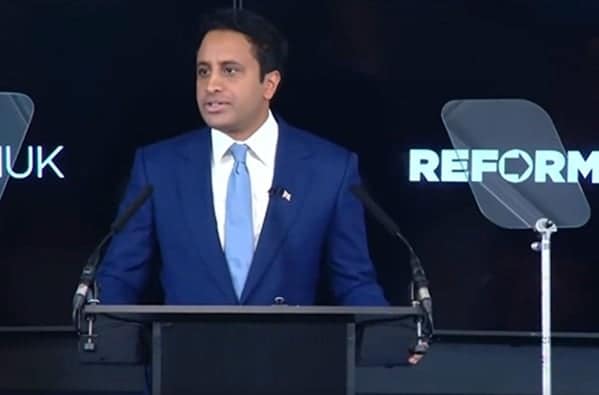
The proposal, unveiled by Reform’s Home Affairs spokesman Zia Yusuf, would represent a major shift in how Britain protects elected representatives and could see annual spending on MP security rise towards £100 million.
Speaking after the death of former MP and Reform UK figure Ann Widdecombe, Yusuf said the country had reached a turning point in the protection of politicians.
“An attack on one politician is an assault on democracy itself,” he said.
The announcement comes after counter-terrorism police confirmed that Widdecombe’s death was being treated as a targeted attack, with detectives investigating whether the suspect had been targeting Reform UK figures.
Yusuf used his speech to highlight the deaths of politicians including Sir David Amess and Jo Cox, arguing that the current security arrangements for MPs are inadequate.
“Elected representatives deserve to feel safe while they go about their jobs. Instead, the state cuts their security. This is shameful,” he said.
🚨 WATCH: Zia Yusuf attacks the media for creating an "environment of such hostility for Reform"
"Those who question Nigel Farage’s need for security should stop" pic.twitter.com/ifO4v0dOjq
— Politics UK (@PolitlcsUK) July 15, 2026
He argued that a country with a £1.2 trillion annual budget should be able to provide stronger protection for those holding public office.
Reform’s proposal would extend beyond serving MPs, with Yusuf also calling for resources to protect former politicians who remain active in public life.
Yusuf said Reform figures had become increasingly concerned about their personal safety, claiming party leader Nigel Farage faces a constant security threat.
He said Farage had received 1,577 threats since February, including 597 death threats.
The comments come amid a wider debate over political safety, with MPs from across the political spectrum facing growing abuse, intimidation and threats online and in public.
Providing permanent protection for every MP would require a significant expansion of current policing and security resources.
At present, security is largely assessed on an individual risk basis, with enhanced protection provided where threats are considered serious.
A universal protection model would raise major questions over the cost to taxpayers, the number of officers required, how resources would be prioritised and whether such measures could be sustained long term.
Supporters argue democracy cannot function if politicians fear for their safety. Critics may question whether permanent security for hundreds of MPs is practical or proportionate.
Widdecombe’s death has intensified concerns over the vulnerability of public figures and the potential for politically motivated violence.
For Reform UK, the issue has become central to its argument that the state must do more to protect those who serve in public life.
The wider challenge for Westminster is balancing security with openness — ensuring politicians can remain accessible to voters while preventing violence from becoming a feature of democratic life.
As investigations into Widdecombe’s killing continue, pressure is likely to grow on all parties to decide whether Britain’s approach to protecting MPs is still fit for purpose.


Leave a Comment