
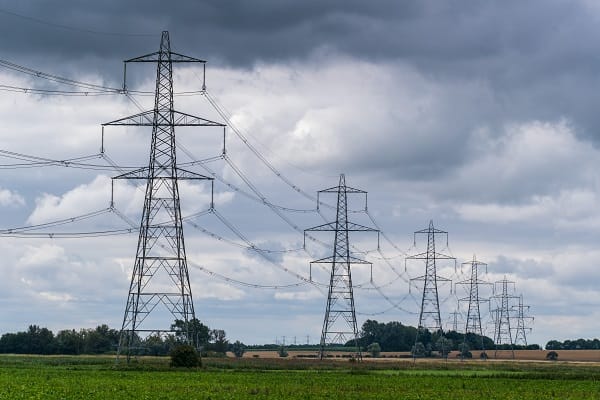
Britain’s electricity network has been forced into another emergency move as the country swelters through a record-breaking heatwave.
The National Energy System Operator (Neso) has warned that power supplies could come under pressure on Friday evening as soaring temperatures send demand surging.
The grid operator issued an electricity margin notice for between 7pm and 10pm, calling for an extra 700 megawatts of generation capacity to provide a safety buffer.
It is the second warning issued this week, after Neso previously called for additional power ahead of Wednesday’s peak demand period.
The warning came as the UK endured some of the hottest temperatures ever recorded in June, with the Met Office confirming temperatures reached 36.7C in Merryfield, Somerset – provisionally making it the hottest June day on record.
Neso insisted the alert did not mean Britain was at risk of blackouts, describing it as a routine tool used to manage the electricity system.
But the extreme heat is placing fresh strain on the network.
High temperatures can reduce the efficiency of power stations, restrict cooling systems and put additional pressure on infrastructure, while millions of households turn to fans and air conditioning to escape the heat.
A Neso spokesman said: “Our forecasts are showing tight margins on the electricity system for Friday evening.
“This is due to the impact of extremely high temperatures affecting Great Britain and the continent.”
The warning comes after analysis revealed the cost of balancing Britain’s energy system soared during the heatwave.
Neso paid around £11 million on Tuesday to ensure enough gas was flowing into the grid to meet demand – more than five times the daily average, according to analysis by Kraken, an AI grid platform.
The pressure on Britain’s energy network comes as red heat warnings remain in place across parts of the country, with officials urging people to stay cool and avoid unnecessary travel.
While supplies remain secure, the latest warning highlights the growing challenge of keeping the lights on during periods of extreme weather as temperatures continue to rise.


Leave a Comment