
UK inflation accelerated sharply in July as higher household energy costs, driven by the Iran war, pushed price growth to its highest level since March and complicated the government’s efforts to ease the cost of living.
Consumer price inflation rose to 2.9 per cent from 2.6 per cent in June, according to the Office for National Statistics.
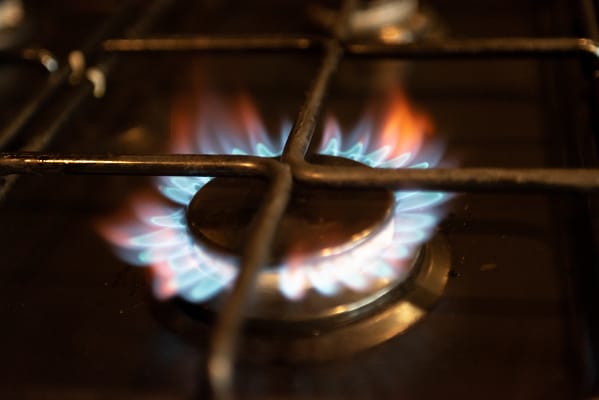
The increase was closely linked to a 13 per cent rise in Ofgem’s energy price cap, which lifted the typical annual gas and electricity bill by £221 to £1,862.
The jump came as wholesale gas prices surged, with the ONS recording the largest increase in gas prices for almost four years. The effect was only partly offset by cheaper crude oil during July.
That relief has since disappeared. Oil prices have climbed back above $90 a barrel as the conflict in the Middle East continues and the Strait of Hormuz remains closed, threatening a further increase in energy costs later this year.
John Healey, the chancellor, said the conflict was continuing to feed through to household prices, pointing to government measures including a VAT reduction on electricity bills and a £2 cap on bus fares.
But economists warned that inflationary pressures could broaden. Prolonged heatwaves and drought have damaged crops, raising concerns over food prices, while the next energy price cap is expected to increase again.
Cornwall Insight forecasts a 4 per cent rise in the October-December cap, taking the typical annual tariff to about £1,941.
Retail Prices Index inflation, closely watched because it is used to calculate regulated rail fares, also increased to 3.2 per cent from 3 per cent.
The Bank of England is expected to monitor the figures closely, although economists believe the inflation rebound is unlikely to trigger an immediate rate increase. ING forecasts inflation could peak at 3.2 per cent this winter, with interest rates remaining on hold before cuts resume next spring.


Leave a Comment