
Labour is facing accusations of a cover-up after refusing to disclose details of Government officials who attended an Iranian embassy event marking the anniversary of the 1979 Islamic Revolution, despite mounting concerns over the regime’s record of mass killings of protesters.
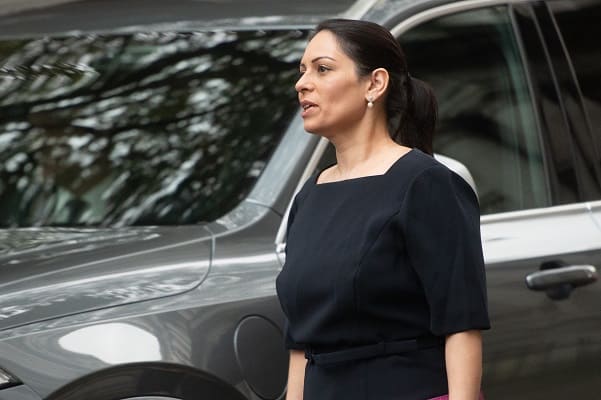
Shadow Foreign Secretary Dame Priti Patel has demanded urgent answers from the Foreign Office over the attendance of taxpayer-funded civil servants at the diplomatic reception, including the number of officials present, their seniority, and whether they raised concerns about human rights abuses during the visit.
She has also questioned who authorised attendance at the event and whether officials used the occasion to raise the cases of British nationals detained in Iran.
The row comes amid heightened scrutiny of Tehran’s human rights record. According to the Government’s own assessment, the number of people killed in protest-related violence in Iran is estimated to have reached between 12,000 and 20,000 by mid-January 2026, with the vast majority believed to be civilians.
Speaking to the Express Dame Priti said: “It is outrageous that officials attended an event celebrating the Iranian revolution just weeks after the regime slaughtered tens of thousands of brave protesters.
“The least Labour could do is apologise and explain how this was allowed to happen. Instead, they have stonewalled our questions and tried to keep the facts hidden. As usual with Labour, they are running scared of scrutiny.
“The Foreign Secretary should tell the public why she is happy for her civil servants to go to parties hosted by the Ayatollah’s regime – and reveal what other events they might have been to on her watch. Labour cannot be trusted to put Britain’s interest first.”
In a strongly worded letter to Foreign Secretary Yvette Cooper, Dame Priti described the decision for officials to attend the embassy reception as “deeply inappropriate”, given the scale of reported killings.
“Paying homage to a barbaric regime while it is busy slaughtering its own citizens is not in the typical diplomatic job description,” she wrote.
She added that the Foreign Office’s lack of transparency regarding attendance had raised further questions about accountability, arguing that Parliament and the public were entitled to know who attended and in what capacity.
Dame Priti also pointed to the Government’s own policy of boycotting certain diplomatic events, noting that similar receptions hosted by other embassies—including Russia—are often avoided on ethical grounds.
She said there was “no justification” for attending the Iranian event under the circumstances and called for clear consequences over what she described as a serious lapse in judgment.
“Clearly, there must be some consequences after such an appalling failure of judgment that has caused such embarrassment to our country,” she said.
The Foreign Office has so far declined to provide details of the officials involved, citing its disclosure policy. Still, the refusal has fuelled political criticism and calls for greater transparency over diplomatic engagement with authoritarian regimes.
The controversy adds to growing pressure on ministers over how the UK balances diplomatic contact with Iran against concerns over human rights, political repression and the detention of foreign nationals.
Opposition figures say the incident risks undermining Britain’s credibility on human rights. At the same time, the Government maintains that engagement with foreign states, even those with poor records, is sometimes necessary to advance consular and strategic interests.
The dispute is expected to intensify as MPs push for fuller disclosure of the circumstances surrounding the embassy attendance and any internal guidance given to officials before the event.
Foreign Minister Hamish Falconer replied to Dame Priti’s letter: “The UK’s approach to diplomatic engagement is longstanding and clear. Maintaining diplomatic presence, including attendance at official events, is a routine and well-established part of how the [Foreign Office] protects UK interests and advances our objectives overseas, even where relations are difficult or deeply strained.
“Such engagement does not imply endorsement of a host government’s actions or policies. The UK continues to condemn in the strongest terms Iran’s human rights abuses, its destabilising activity in the region and its reckless behaviour that risks further escalation.
“Our diplomatic engagement enables us to press these messages directly, raise concerns where necessary, and support British nationals and UK interests, while remaining clear-eyed about the nature of the Iranian regime.”
Patel wrote back stating: “The attendance by FCDO officials at this event at a time when Iran is threatening our interests and in the immediate aftermath of them massacring thousands of citizens campaigning for freedom is deeply embarrassing and undermines our national interests. The public deserve answers and transparency not obfuscation.”


Leave a Comment