
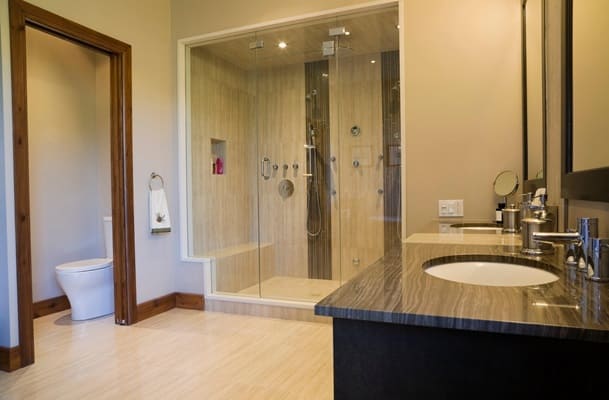
A bathroom can feel dated long before its fittings need replacing. The layout may still work, the tiles may be sound and the bath perfectly serviceable, yet harsh lighting, tired accessories and crowded surfaces can make the room less pleasant to use. For London homeowners, a complete refurbishment is not always the most practical response. In a flat with one bathroom, even a short period of disruption can complicate everyday life.
A more focused update starts by identifying what makes the room feel uncomfortable or inconvenient. Poor lighting around the basin, an awkward mirror or a lack of storage may matter more than the age of the bathroom suite. When reviewing mirror options, retailers such as LED Mirror World UK provide a starting point for comparing different shapes and lighting features. The aim is to choose improvements that suit the existing space and solve a clear problem.
Start with what already works
Before ordering anything, assess the room in daylight and again after dark. Notice where shadows fall, which surfaces collect clutter and whether doors or drawers get in the way. Think about the morning routine: is the mirror comfortable to use, are toiletries within reach, and is there somewhere convenient to hang a towel?
Divide the findings into three groups: items that work well, cosmetic issues and faults that need attention. A worn cabinet handle is a small update; recurring damp or a leaking fitting needs investigation before decorative work begins.
This approach helps establish a realistic scope. If the bath, basin and layout meet the household’s needs, keeping them provides a useful foundation for a refresh.
Improve lighting around the mirror
Lighting deserves attention because it affects both the appearance of the room and the experience of using it. A ceiling fitting may illuminate the floor and fittings adequately while leaving the face in shadow at the basin.
Review the mirror area separately from the rest of the bathroom. Front-facing illumination can support everyday grooming, while backlighting creates a softer glow against the wall. Some mirrors combine these approaches, although their performance will depend on the individual design and the surrounding lighting.
Consider controls as carefully as appearance. Dimming may be useful when moving between a bright morning routine and a quieter evening setting. Adjustable colour temperature offers another way to change the feel of the space. Neither feature should be assumed from a product photograph: check the specifications before choosing.
An illuminated mirror also needs a suitable power arrangement. Replacing an existing powered mirror and adding one where there is no electrical supply can involve quite different amounts of work. Establish the installation requirements before committing to a purchase.
Choose a mirror that fits the existing room
Mirror proportions can change the visual balance of a bathroom without altering its layout. A mirror that looks lost above a wide vanity may benefit from a larger replacement, while one positioned too close to a cabinet or wall light can make the area feel crowded.
Measure the available wall space and consider the whole arrangement, including taps, splashbacks and nearby fittings. In London homes with sloping ceilings, narrow walls or converted layouts, a standard arrangement may not be the most comfortable one.
Shape is another useful design choice. A round or oval mirror can soften a room dominated by rectangular tiles and cabinetry. A rectangular design may sit more naturally above a wider basin unit. The best choice is the one that works with the room’s proportions and provides a useful reflection for the people using it.
Refresh sound surfaces before replacing them
A bathroom’s overall appearance is often affected by several small areas of wear. Stained grout, peeling paint and untidy joints can make otherwise serviceable fittings look neglected.
Start with careful cleaning and an assessment of the underlying condition. Where surfaces are sound, appropriate repairs and a fresh finish may be enough to improve the room. Persistent staining, mould or failed sealant should be investigated rather than simply covered over.
For painted areas, choose a finish intended for the conditions in which it will be used and follow the manufacturer’s preparation guidance. Test colour samples beside the existing tiles and under the room’s lighting. A shade that looks warm in a shop can appear very different in a bathroom with limited daylight.
Keeping the palette restrained also makes it easier to retain older fittings. A consistent wall colour and a few coordinated accessories can bring together elements bought at different times.
Make storage work harder
Clutter can undermine even an attractive bathroom. Before adding more furniture, review what needs to stay in the room and what could be stored elsewhere.
Daily essentials should be easy to reach, while spare toiletries and cleaning supplies do not necessarily need prime space beside the basin. Drawer dividers, internal organisers and a carefully positioned shelf can improve access without changing the main layout.
Measure the space required to use storage, not just to fit it. A cabinet may occupy little floor area but still obstruct movement when its door is open. In a compact flat, that distinction matters.
Wall-mounted accessories can help keep surfaces clearer, but their placement should follow the household’s routine. A towel rail is most useful where a towel can be reached comfortably, rather than wherever an empty patch of wall happens to remain.
Introduce technology selectively
Modernising a bathroom does not require adding every available feature. The useful question is whether a function will improve something the household does regularly.
A heated demister may be worthwhile for someone who frequently uses the mirror after a shower. Dimming or memory settings may appeal to people who prefer a consistent lighting setup. Bluetooth speakers may suit a household that enjoys music while getting ready, but they are unlikely to be essential for everyone.
Compare how features operate, how they are controlled and what maintenance or installation they involve. A simpler product that suits the room can be a better choice than a more elaborate model whose additional functions go unused.
Plan the work and the delivery
Even a modest refresh benefits from a clear sequence. Confirm measurements, product suitability and any installation needs first. Arrange necessary trades before removing fittings, and allow time to inspect deliveries before the work begins.
Access deserves particular attention in London flats. Communal entrances, staircases, lifts and limited storage space can affect how a large mirror or cabinet reaches the bathroom. Check packaged dimensions as well as product dimensions where access is tight.
When comparing suppliers, look beyond the headline price. Delivery arrangements, dispatch location, damage-reporting procedures and replacement terms can all affect how smoothly the update proceeds. Read the conditions before ordering and keep packaging until the item has been checked.
Let daily use set the priorities
A successful bathroom refresh is measured by how well the room works afterwards. A clearer reflection, better lighting, accessible storage and well-maintained surfaces can make everyday routines more comfortable without requiring a completely new bathroom.
For London homeowners balancing space, budget and disruption, the most useful starting point is a short list of practical problems. Address those in order, retain the elements that still work and choose each addition with the existing room in mind. The result can feel considered and contemporary while remaining recognisably part of the home.


Leave a Comment