
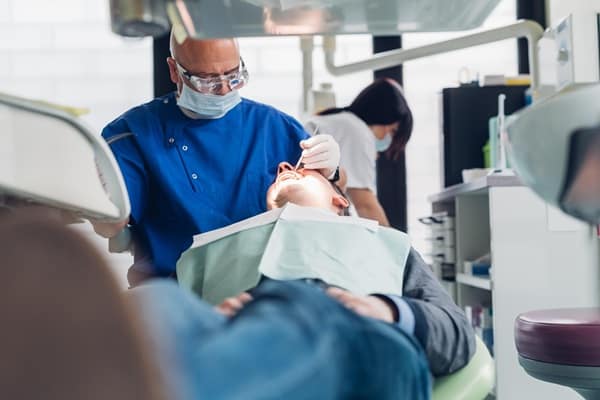
Selecting among dental bonding agents often comes down to balancing clinical flexibility with procedural consistency. Many restorative practices no longer evaluate an adhesive simply by its generation number because that label does not explain how the material behaves on enamel, dentin, or different restorative substrates. A more useful approach is to compare the bonding strategy, application protocol, and the types of procedures performed most frequently within the practice. That evaluation supports more consistent restorative outcomes while helping standardize clinical workflows.
Beyond generation numbers
Generation-based classifications remain widely used, but they simplify a much broader development in adhesive technology. Earlier systems relied on separate etching, priming, and bonding steps. Later generations combined these procedures to reduce handling complexity and improve efficiency.
While these classifications are helpful for understanding product evolution, they are less valuable when making purchasing or clinical decisions. Two adhesives from the same generation may differ in composition, compatibility, and application recommendations. Reviewing technical characteristics provides more practical information than relying on generation labels alone.
Choosing the right bonding strategy
The decision between etch-and-rinse, self-etch, and universal dental adhesive systems should reflect the clinical situation rather than routine preference.
Etch-and-rinse protocols continue to provide reliable enamel bonding when isolation is well controlled. Separate phosphoric acid etching creates a highly retentive enamel surface, making this approach suitable for restorations with extensive enamel margins.
Self-etch systems reduce the number of clinical steps by conditioning and priming the tooth simultaneously. They are frequently selected when dentin preservation and simplified application are priorities.
Universal dental adhesive systems give clinicians greater flexibility because they can be applied using either protocol depending on restorative requirements. Practices that perform a wide range of direct and indirect procedures often value this adaptability, provided the selected workflow matches the manufacturer’s recommendations.
Factors that affect bond performance
Adhesive selection represents only one part of successful bonding. Clinical conditions often have a greater influence on long-term performance than the adhesive category itself.
Enamel typically provides a predictable bonding surface because of its high mineral content. Dentin requires a different approach due to its moisture level, tubular structure, and organic composition. Adhesive protocols that perform well on enamel may require greater attention when bonding to deeper dentin.
Isolation remains equally important. Moisture contamination during adhesive placement can interfere with hybrid layer formation regardless of the material selected. Proper isolation techniques continue to support consistent bonding quality across restorative procedures.
Surface preparation also deserves consideration. Sclerotic dentin, cervical lesions, and preparations with limited enamel margins create different bonding conditions that may influence adhesive selection and application.
Standardising clinical workflows
Many multi-chair practices prefer to reduce the number of adhesive systems used throughout the clinic. Standardization can simplify inventory management, staff training, and purchasing without limiting treatment options when materials are selected carefully.
When reviewing dental bonding agents, procurement teams and clinicians often evaluate several practical criteria:
- Compatibility with direct and indirect restorative procedures.
- Support for multiple bonding protocols where appropriate.
- Straightforward application instructions.
- Reliable handling characteristics during routine procedures.
- Published evidence supporting clinical performance.
Looking beyond generation terminology allows purchasing decisions to reflect day-to-day clinical requirements instead of marketing classifications.
Practical perspective
Adhesive dentistry continues to evolve, but predictable bonding still depends on matching the bonding protocol to the restorative procedure rather than following a single approach for every case. Generation numbers provide useful background, yet they should not replace an assessment of substrate, restoration type, isolation requirements, and clinical workflow.
Practices reviewing adhesive systems benefit from comparing how different bonding strategies fit their treatment mix and operational needs. That process generally produces more consistent decisions than selecting materials based only on the latest generation label.
FAQs
Are generation numbers still useful when selecting dental bonding agents?
Generation classifications help describe the historical development of dental bonding agents, but they provide limited information about clinical performance. Comparing bonding protocols, indications, and handling characteristics usually supports a more informed selection.
When are universal dental adhesive systems a suitable choice?
Universal dental adhesive systems are commonly selected by practices that perform a variety of restorative procedures because they support different bonding approaches. The preferred protocol should still follow the clinical indication and the manufacturer’s instructions.
What has the greatest influence on bond durability?
Bond longevity depends on several factors working together, including isolation, substrate condition, surface preparation, and correct adhesive application. Material selection is important, but consistent clinical technique remains equally influential.





Leave a Comment