
BT has reported a modest decline in quarterly earnings, underscoring the delicate balance between investing heavily in Britain’s digital infrastructure and maintaining profitability in a fiercely competitive telecoms market.
The telecoms group, led by chief executive Allison Kirkby, said adjusted earnings slipped 1 per cent to £2.01bn in the three months to June, while pre-tax profits fell 4 per cent to £505m as higher financing costs outweighed lower restructuring expenses. Revenue was broadly unchanged at £4.3bn.
The figures suggest BT’s long-term transformation remains on course, but also highlight the short-term financial pressures created by one of the UK’s largest infrastructure investment programmes.
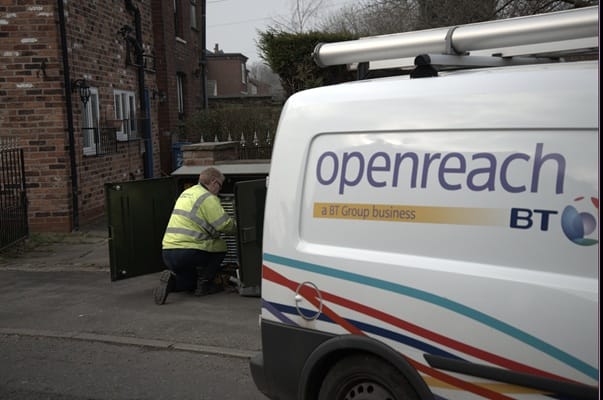
Openreach, the company’s network division, added 574,000 fibre-to-the-premises customers during the quarter, extending the reach of its next-generation broadband network. Yet overall broadband lines continued to decline, with Openreach losing 192,000 connections during the period and forecasting losses of around 800,000 this financial year as competition intensifies.
The mixed performance nudged BT shares lower in early trading despite management reaffirming its guidance.
Kirkby described the results as “a solid start” to the financial year, arguing that no other company was investing in Britain’s digital backbone at a comparable scale. She reiterated expectations of generating around £2bn in cash flow this year, rising to £3bn by the end of the decade.
For investors, the central question remains whether BT can convert its vast capital expenditure into sustainable earnings growth before competitive pressures erode further market share.
Duncan Ferris, an analyst at Freetrade, said expanding the fibre network should ultimately improve returns by enabling providers to sell higher-value broadband packages across Openreach’s infrastructure, creating recurring wholesale revenues.
For now, however, BT’s results illustrate a business still navigating the costly transition from legacy copper networks to a fibre-first future—one that promises stronger long-term economics but continues to weigh on near-term profitability.





Leave a Comment