
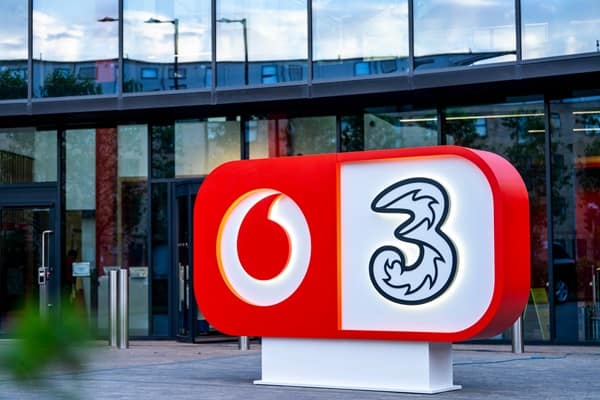
VodafoneThree has raised its target for annual cost savings to £1bn by 2032, intensifying its post-merger drive to strip out duplicated infrastructure and improve cash generation from Britain’s newly consolidated mobile market.
The operator, created in 2025 through the merger of Vodafone’s UK business and Three UK, said it would deliver an additional £300m of annual savings on top of its original £700m target.
The company said the additional savings would not affect its workforce, with the bulk of the efficiencies expected to come from rationalising its network of mobile masts and infrastructure sites.
VodafoneThree plans to reduce the number of sites across its combined network from about 37,000 to roughly 26,000, removing overlapping installations where Vodafone and Three previously operated infrastructure in close proximity.
The scale of the reduction highlights one of the central financial attractions of the merger: combining two networks gives the enlarged operator an opportunity to eliminate duplicated assets while concentrating investment on a smaller, integrated infrastructure base.
Margherita Della Valle, group chief executive of Vodafone, said: “We created VodafoneThree because we saw the opportunity to transform the UK market – to create the scale to invest, to deliver a step change in network quality and customer experience across every region of the UK and to build a stronger business, creating sustainable long-term value.
“After a strong start, we now have even greater confidence in the opportunity ahead.
“That’s why we are upgrading our cost target to £1 billion, with VodafoneThree set to become an increasingly important contributor to Vodafone’s growth ambitions.”
VodafoneThree expects annual savings to reach £800m by 2029-30 before rising to £1bn by 2031-32.
The operator’s cost-cutting programme comes as it completes the integration of the two businesses following a merger that created an enterprise valued at almost £14bn including debt.
Further savings became available after Vodafone acquired the remaining 49% stake held by former partner CK Hutchison Group Telecom Holding for £4.3bn in July, bringing VodafoneThree under full ownership and allowing the group to remove additional duplicated costs.
The enlarged operator has been integrating the two networks while also combining their 5G capabilities. The merger created the UK’s largest mobile operator, with about 27mn customers.
The combined infrastructure also means that as many as 50mn people in Britain have access to VodafoneThree’s 5G network, according to the company.
The strategic rationale for the merger now rests increasingly on whether those scale benefits can be translated into stronger financial returns.
Vodafone said it was targeting underlying earnings growth in the mid-to-high single-digit percentage range each year between 2024-25 and 2031-32.
VodafoneThree is also targeting more than a threefold increase in operating free cash flow by 2031-32 compared with 2024-25.
That ambition places cost discipline at the centre of the enlarged operator’s strategy. Rather than simply using the merger to create a larger customer base, Vodafone is seeking to use its increased scale to lower the cost of maintaining the network and redirect resources towards capacity, coverage and customer experience.
The reduction in network sites will nevertheless require careful execution. Mobile infrastructure is geographically sensitive, and closing duplicate sites must be balanced against maintaining coverage and network quality.
VodafoneThree has positioned the restructuring as an opportunity to improve rather than simply shrink its network, arguing that the merger provides the scale required to invest more heavily in the infrastructure that remains.
For Vodafone, the financial prize is potentially significant. A £1bn annual savings target would provide a substantial recurring contribution to the group’s earnings and cash generation, while the integration of the two networks could reduce one of the largest sources of duplication created by the merger.
The test over the coming years will be whether those efficiencies can be realised without undermining the network improvements that were central to the case for creating VodafoneThree in the first place.
The company is therefore entering the next phase of the merger with a simple financial proposition: fewer overlapping assets, lower structural costs and substantially higher cash generation, while maintaining the investment needed to compete in Britain’s increasingly consolidated telecommunications market.



Leave a Comment