
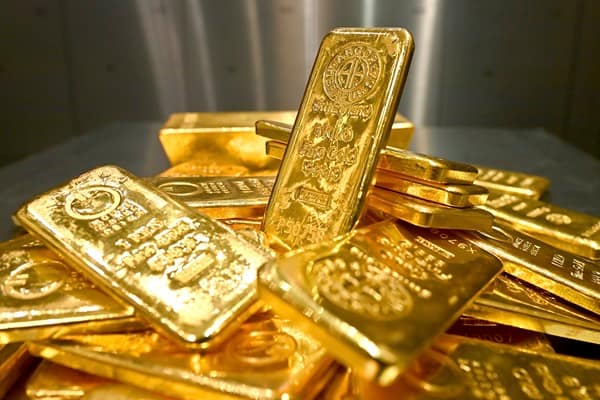
Gold has staged a strong recovery, briefly approaching $4,300 per ounce before pulling back to around $4,250.
What stands out in the latest rally is the clear shift in how markets are responding to geopolitical developments and the outlook for U.S. monetary policy.
At first glance, signs of easing tensions between the United States and Iran might appear negative for gold, as demand for safe-haven assets typically weakens when geopolitical risks subside.
However, the market reaction has been more complex. Growing expectations for a diplomatic solution have pushed oil prices sharply lower, easing concerns that the recent energy shock could trigger another wave of inflation in the United States.
As oil prices fall, inflation expectations are also beginning to ease, prompting markets to scale back bets that the Federal Reserve will need to maintain an excessively restrictive policy stance. U.S. Treasury yields and the dollar have consequently come under pressure, creating a more supportive environment for gold. In other words, the positive impact from shifting interest-rate expectations is currently outweighing the decline in safe-haven demand.
However, after rising rapidly toward the $4,300 area, gold has since corrected back to around $4,250. Part of the short-term buying momentum has already been priced in, while investors have little incentive to add aggressive positions ahead of tonight’s U.S. employment report.
Nonfarm Payrolls could therefore become the key driver of gold’s near-term direction. If employment growth comes in significantly below expectations, particularly alongside a higher unemployment rate or softer wage growth, markets may strengthen their view that the Fed has less need to maintain a highly restrictive stance. In that scenario, Treasury yields and the dollar could face renewed pressure, giving gold room to retest $4,300 and potentially move higher.
Conversely, a strong jobs report could force markets to reassess the interest-rate outlook. If the U.S. economy continues to demonstrate resilience, the Fed would have greater room to keep monetary policy tight in order to contain inflation. Under this scenario, Treasury yields and the dollar could recover, while gold may face renewed profit-taking following its recent sharp advance.
In my view, the move toward $4,300 shows that market sentiment toward gold has improved considerably, but the current momentum remains highly dependent on shifts in Fed expectations. Tonight’s employment report could therefore determine whether the latest rally extends further or proves to be little more than a strong rebound following the recent correction.


Leave a Comment