
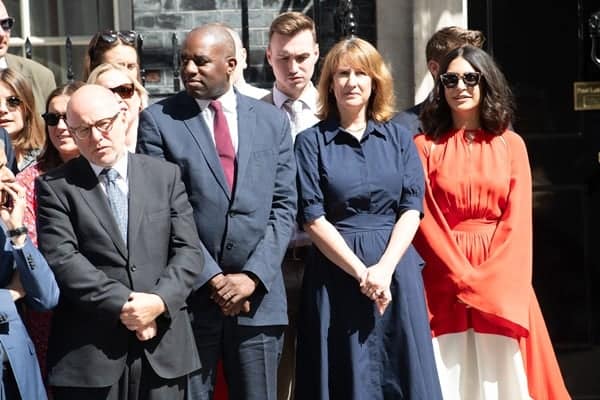
Andy Burnham has completed the most sweeping reshuffle of Labour’s top team in years, with former Chancellor Rachel Reeves becoming the latest senior figure to leave government as the new Prime Minister stamps his authority on Downing Street.
Reeves, Britain’s first female Chancellor, announced her departure in a letter to Burnham, bringing to an end a tenure she said had restored economic stability and strengthened the country’s resilience after two years in office.
“It has been the privilege of my life to serve as Chancellor of the Exchequer,” she wrote.
“The economy today is stronger, fairer and more resilient because of the choices we have taken as a Labour government over the past two years.
“Stability restored, investment delivered and reform to our economy under way.
“I said when I was appointed chancellor that I would judge my time in office if the lives ordinary working-class people have been improved. I’m proud to say that they have.”
She argued that her time in the Treasury had helped improve the lives of working people while sending a message to “every young woman and girl” that there should be “no ceiling” on their ambitions.
Her exit follows the departures of several prominent allies of Sir Keir Starmer, underlining Burnham’s determination to install a Cabinet aligned with his own political agenda rather than preserve continuity with his predecessor.
Former Business Secretary Peter Kyle, Housing Secretary Steve Reed and Deputy Prime Minister David Lammy have been sacked and have returned to the backbenches after failing to secure roles in the new administration.
Lammy acknowledged that Burnham was “entitled to build his own team”, while Reed pledged to support the Government despite expressing disappointment at leaving office. In a pointed closing remark, Reed praised Starmer’s loyalty and suggested that those who had not shown the former Prime Minister the same commitment should now unite behind Burnham.
The scale of the reshuffle marks more than a routine change of personnel. It represents the first clear signal that Burnham intends to reshape Labour’s priorities as well as its leadership.
For financial markets, the focus will now shift from personalities to policy.
Investors will be watching closely to see whether Burnham retains the fiscal discipline associated with Reeves’ tenure or pursues a more interventionist economic strategy, having already signalled greater state involvement and new measures to address the cost of living.
The Cabinet changes therefore mark not simply the end of the Starmer era, but the beginning of a new political and economic chapter whose direction markets, businesses and voters are only beginning to assess.


Leave a Comment