
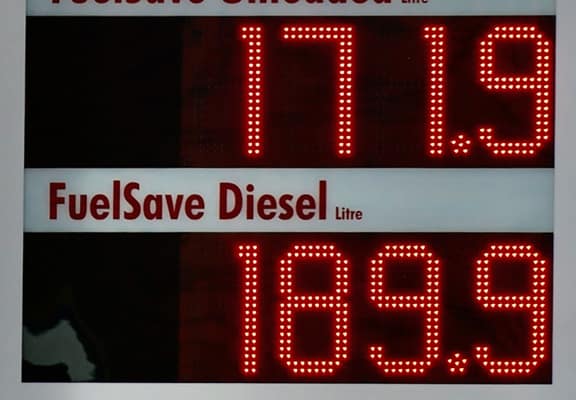
Britain’s motorists have paid an estimated £4 billion extra at the pumps since the outbreak of the Iran conflict, highlighting the economic costs of geopolitical instability and exposing the country’s continued vulnerability to global energy shocks.
Analysis by the RAC Foundation suggests that higher fuel prices triggered by disruption in the Middle East have added around £3 billion to diesel bills and more than £1 billion to petrol costs since fighting began on February 28. The figures underscore how events thousands of miles away can rapidly filter through to households, businesses and the wider economy.
The surge in costs came after Iran imposed restrictions on tanker movements through the Strait of Hormuz, one of the world’s most strategically important energy chokepoints. The resulting spike in oil prices pushed Brent crude to its highest level since 2022 and sent fuel costs climbing across Europe.
For British consumers, the impact has been immediate.
Average petrol prices remain around 24p per litre higher than before the conflict began, while diesel prices are roughly 36p per litre more expensive. For households already grappling with elevated living costs, the increase has placed additional strain on budgets and contributed to broader inflationary pressures.
The Treasury, however, has emerged as an unexpected beneficiary.
Because VAT is charged on top of both the fuel price and fuel duty, rising pump prices have generated an estimated £670 million in additional tax revenue for the Exchequer. The windfall comes despite growing political pressure on ministers to shield consumers from the effects of volatile energy markets.
The figures are likely to intensify debate over Britain’s energy resilience and dependence on imported fossil fuels.
The Government has already moved to ease some of the pressure. Last month, Sir Keir Starmer announced that a planned increase in fuel duty due to take effect in September would be postponed until at least the end of the year, a move aimed at preventing further increases in transport costs.
Yet the episode has reinforced concerns among economists that external energy shocks remain one of the biggest threats to Britain’s fragile economic recovery.
Recent official data showed the economy contracted in April for the first time in eight months, while inflationary pressures linked to higher energy and transport costs have complicated the Bank of England’s efforts to steer interest rates lower.
There are tentative signs that the worst of the fuel price shock may be easing.
Oil markets reacted positively on Monday after US President Donald Trump announced that a US-Iran peace agreement had been completed and that shipping through the Strait of Hormuz would resume without restrictions. Brent crude fell more than 4 per cent during trading, dropping to just above $83 a barrel, its lowest level in more than three months.
Whether those lower wholesale prices quickly translate into cheaper fuel at forecourts remains uncertain. Retail fuel prices often adjust more slowly on the way down than on the way up, meaning motorists may wait weeks before seeing significant relief.
For now, the numbers provide a stark illustration of how geopolitical conflict can impose substantial costs on consumers far beyond the battlefield. While oil prices may be easing, British drivers have already absorbed a multi-billion-pound hit — and the broader economic consequences of the energy shock are still working their way through the economy.


Leave a Comment