
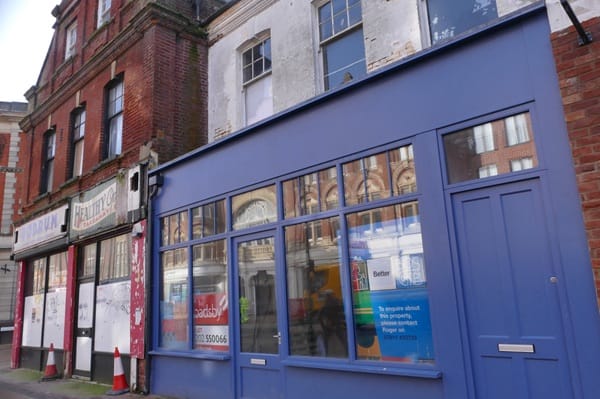
According to recent Centre for Cities data, London’s high street vacancy rate has dropped to 7.4%, the lowest of any major UK city.
- London: 7.4%
- Cambridge: 8.5%
- Oxford: 9.0%
- Newport: 19.0%
- Bradford: 18.0%
- Blackpool: 17.6%
For UK retailers, this data showcases the gap between London and the rest of the UK, and it may just be one of the most important pieces of data to suggest where to invest right now.
Customer acquisition

Mark Fairhurst/Avalon
One of the reasons London is outperforming the rest of the UK is the brands they have. They’re aggressive and are pushing all types of customer acquisition strategies to grow their companies.
Welcome offers are common across the retail sector. NEXT offers 10% off a customer’s first order over £20, Argos offers £5 off new customers’ orders over £40, and Wayfair gives a welcome discount of 10%.
Tons of successful companies are offering similar bonuses nowadays. New customers can even get a welcome bonus from Betfair, for instance, 50 free spins. The reason why these promotions are so popular is that they work. New customers get a reason to try out a new product/service, and the company itself gets a new customer.
London operators understand this, which is why many of the larger brands are offering these promotions. They’d rather get a new customer at a loss, knowing their lifetime value will exceed the cost of acquisition.
Investment hotspots
Beyond welcome offers, London generally attracts a high amount of retail brand investment.
Brands know this is the place to be for growth. That’s why you rarely see vacant retail around Mayfair, Soho, Shoreditch, or Covent Garden. As soon as it goes vacant, there’s already a brand waiting in line to open a new store or relocate.
The location and footfall are unmatched in these high-demand areas. Pair this with the disposable income stats and the general outlook for the future of London, and it’s easy to understand why they receive such heavy investments.
Disposable income
Apart from marketing tactics, London leads in disposable income, which is supported by flagship store openings and tourism. The South East and East of England follow closely, with the North East, Wales, and West Midlands lagging behind.
This is another key reason why Local Data Company research shows that London and the South East have been able to maintain relatively low retail vacancy rates in the UK. Northern regions, however, are still struggling to some degree.
Outlook
As Savills reports, the new surcharge of up to 20% on properties with rateable values of above £500,000 will hit large London operators hardest. This may hit London so hard that it can level out the cost base between London and the other regions.
Other locations, like Manchester, Leeds, Birmingham and Glasgow, may see improvements. There are plans for mixed-use developments and improved transportation infrastructure that might start pulling tenants back.
For now, though, the gap remains very wide. London, even though it has much more expensive rental rates, is the least vacant major retail city in the UK.
Please play responsibly. For more information and advice visit https://www.begambleaware.org
Content is not intended for an audience under 18 years of age


Leave a Comment