
Crude prices have stabilised to some extent, though the market remains exposed to elevated volatility risks as uncertainty in the Middle East persists.
Overnight military confrontation could keep markets on edge, as it threatens to unravel the fragile ceasefire, while hopes of diplomatic progress could maintain the downside pressure.
However, any meaningful escalation in tensions could swiftly push prices to the upside again.
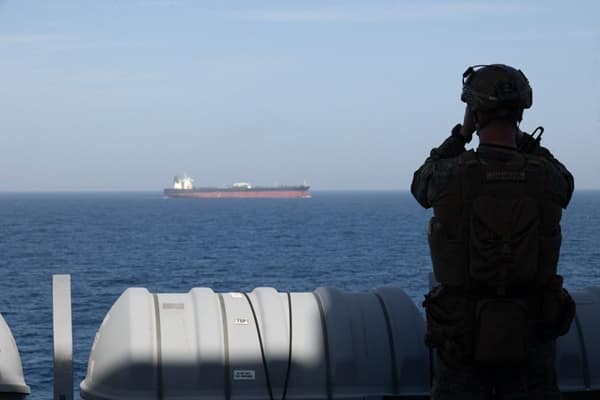
At the same time, the physical market remained tight. Constrained maritime flows and disrupted energy exports through the Strait of Hormuz have squeezed supply chains, while global crude stockpiles remain under sustained pressure.
API data showed US crude stocks fell by 9.12 million barrels, marking the eighth consecutive weekly draw, a depletion trend that could provide structural support for oil prices.
Markets will continue to monitor geopolitical developments closely, alongside EIA inventory data for confirmation of the tightening trend. While any material diplomatic progress toward a deal could push prices down, the extent and pace of the decline could be limited by a potentially slow process toward normalisation in the energy infrastructure in the Middle East.


Leave a Comment