
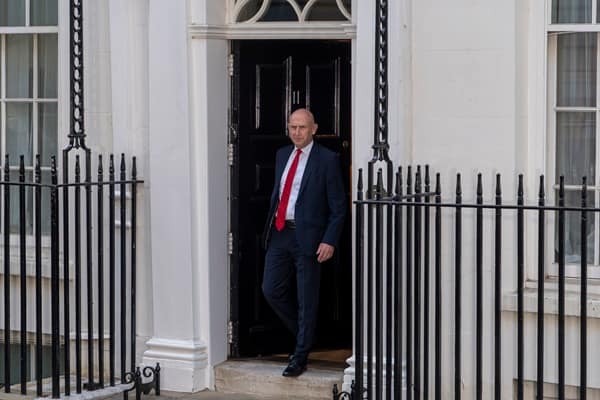
Prime Minister Andy Burnham and Chancellor John Healey are facing a major fiscal test after economists warned the Government could be left with a £24 billion funding gap before the end of the decade.
The warning comes ahead of Healey’s first Budget on October 28, 2026, with analysts predicting that Labour’s expanding list of spending commitments will require difficult choices on taxation, borrowing or public service funding.
The Government has pledged a series of costly measures since entering office, including extending the £2 bus fare cap, reforming social care and temporarily removing VAT from electricity bills.
But economists have warned that the combination of higher spending and persistent inflation risks leaving public finances under increasing strain.
The National Institute of Economic and Social Research (NIESR) said inflation is expected to erode the real value of planned spending on key public services, including the NHS and schools, creating a substantial shortfall by the end of the decade.
The think tank said ministers may need to increase income tax to close the gap — a move that would break Labour’s 2024 General Election commitment not to raise the tax burden on working people.
The warning leaves Burnham and Healey facing a stark choice: raise billions in additional revenue, accept tougher spending controls, or risk breaching the Government’s fiscal commitments.
NIESR forecasts inflation could rise to 3.8 per cent by February 2027 and does not expect it to return to the Bank of England’s 2 per cent target until 2029, placing further pressure on government budgets.
Stephen Millard, deputy director at NIESR, argued that income tax increases would be less damaging to economic growth than other options such as higher corporation tax or VAT.
“Corporation tax in particular has a negative effect on growth,” he said, adding that VAT rises could weaken consumer demand while disproportionately affecting lower-income households.
Income tax rises, he suggested, would have a smaller impact on economic activity.
The warning comes as investors closely monitor Labour’s spending plans and the Government’s ability to maintain fiscal credibility. With borrowing costs remaining sensitive to political decisions, any move to increase spending without clear funding could test market confidence.
For Burnham, who has promised a pro-growth administration while expanding public services, the October Budget will be an early defining moment. The challenge will be balancing ambitious reform plans with the financial discipline demanded by markets and taxpayers.
The central question facing Downing Street is becoming increasingly difficult to avoid: how will Labour fund its ambitions without asking voters to pay more?


Leave a Comment