
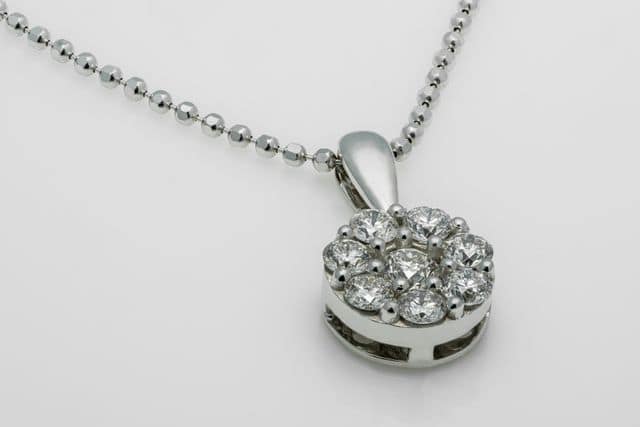
Expensive jewellery can carry far more than its purchase price. A ring may mark a marriage or come from several generations ago. A watch collection can also grow into a major asset over time. Keeping these items in a drawer gives little protection when someone enters your home.
Good storage starts with the risks you actually face. Theft is one concern, but fire, access, and poor storage also matter. A strong jewelry safe creates a fixed place for valuables and adds tested physical protection.
INKAS Safes makes high-security jewellery safes for homes, collectors, offices, and jewellery stores. Its range includes residential models and higher-rated safes for larger collections.
Why high-value jewellery needs more than a hidden drawer
A bedroom drawer feels private because visitors rarely open it. A burglar does not follow normal household rules. Common storage places can be searched quickly during a break-in.
Small lockboxes create another problem. Even when locked, a light box can simply be removed. The thief can then work on the lock somewhere else.
A security safe changes that problem. Size, weight, construction, lock strength, and installation all affect how difficult removal becomes. INKAS designs its jewellery safes around resistance to attacks such as prying and drilling.
A safe also gives your collection one controlled storage point. That makes it easier to track rings, watches, documents, and family pieces.
The main risks to expensive jewellery at home
Burglary and forced entry
Burglary resistance should be one of your first checks when buying a safe. Do not judge protection only by door thickness or overall weight.
UL Solutions tests burglary-resistant safes under UL 687. This gives buyers a way to compare tested security instead of relying only on marketing claims.
TL ratings describe different levels of attack resistance. TL-15 and TL-30 apply testing to the door side. TL-30×6 extends tested tool resistance to all six sides of the safe.
That difference matters when the jewellery inside has a high value. A safe with strong doors but weak sides can create another attack point.
Fire and heat damage
Burglary ratings and fire ratings are not the same thing. A TL-30 label describes burglary resistance, not fire performance.
UL uses separate fire tests for containers meant to protect contents from heat. These tests examine internal heat and humidity during fire exposure. Some tests also include an impact test after the fire stage.
INKAS lists one-hour and two-hour fire-rating options across parts of its safe range. Availability depends on the model, so check the exact product before buying.
Fire protection becomes more useful when jewellery shares the safe with papers or other heat-sensitive items. Passports, records, certificates, and storage media can fail at temperatures jewellery may survive.
Loss, misplacement, and accidental damage
Not every lost piece is stolen. Small earrings, loose stones, chains, and rings are easy to misplace around a home.
Keeping valuable pieces in one secure place reduces that risk. Separate drawers also prevent necklaces, watches, and rings from being piled together.
Some INKAS custom safes can include drawers, shelves, lighting, and special storage areas. Velvet-lined drawers are also listed among available interior options.
Why a jewellery safe is better than common storage places
Many people hide jewellery instead of securing it. Typical places include closets, nightstands, storage boxes, and home-office drawers.
A hiding place works only while nobody finds it. It provides no rated barrier once the location becomes known.
A proper jewellery safe adds a lock, strong body, and tested resistance to attack. Higher-rated models can also provide protection against more serious tool attacks.
Weight matters as well. A small portable box can leave the property with the burglar. Larger security safes are designed for fixed placement and professional installation.
The safe also helps control access inside the home. Children, guests, workers, or visitors do not need access to valuable pieces simply because they know where they are stored.
How to choose the right jewellery safe
The right safe should match the value, size, and type of collection. Security ratings matter, but daily use matters too.
| Feature | What to Check | Why It Matters |
| Internal size | Usable space after drawers and shelves | Jewellery boxes and watches can take more room than expected |
| Burglary rating | TL-15, TL-30, TL-30×6, or another tested class | Higher ratings provide stronger tested attack resistance |
| Lock type | Mechanical, electronic, biometric, or dual lock | Access speed and control vary by lock |
| Fire rating | Confirm it separately from burglary protection | A TL rating does not show fire performance |
| Interior layout | Drawers, shelves, lighting, lined storage | Good organisation helps protect delicate pieces |
| Installation | Floor type, access route, and anchoring needs | A safe is harder to remove when installed correctly |
Safe size and storage capacity
Start by listing what will go inside. Include jewellery, watches, documents, cash, and anything you may add later.
Internal space matters more than outside size alone. Drawers and shelves use space, so check usable interior dimensions before buying.
Leave room for the collection to grow. Filling every drawer on the first day can force another safe purchase later.
For unusual spaces or larger collections, a custom jewellery safe can solve layout problems. INKAS offers size and interior options based on the chosen model and security level.
Burglary resistance and security ratings
Choose the rating based on value and risk, not appearance. INKAS offers models across several security levels, including TL-15, TL-30, and TL-30×6 options.
TL-15 means tested tool resistance for at least 15 minutes on the protected door side. TL-30 raises that period to 30 minutes. TL-30×6 applies 30-minute protection to all six sides under its test class.
Those times should not be read like a household stopwatch. They relate to formal attack testing under defined test conditions.
For a costly jewellery collection, ask the safe supplier and insurer what rating fits the stored value.
Lock type and access control
A strong safe still depends on its lock. INKAS offers mechanical, electronic, biometric, and dual-lock options for compatible models.
Mechanical locks avoid batteries but take longer to open. Changing their combination may also require a locksmith.
Electronic locks use a keypad and allow faster code entry. Some models support several user codes, time delay, or dual custody.
Biometric systems can use a fingerprint for access. Dual-lock setups require more than one locking method and can suit higher-security needs.
INKAS uses lock products from Sargent and Greenleaf and La Gard across its range. Available lock types depend on the safe and required rating.
Fire protection considerations
Check fire protection separately from burglary protection. Do not assume a high TL rating includes a fire rating.
Think about everything stored with the jewellery. Paper records and digital media can need different protection from metal jewellery.
INKAS offers fire-rated models and lists one-hour and two-hour choices within its current safe range. Confirm the rating of the exact model before ordering.
Where to install a jewellery safe at home
Choosing a discreet location
A safe should be accessible to you without becoming a feature of the room. Avoid places visible from doors or street-facing windows.
Think about the delivery path before choosing the final spot. Measure doors, stairs, elevators, hallways, and tight turns.
This step becomes important with large high-security safes. Their size and weight can limit where installers can place them.
Anchoring the safe correctly
Some safes need anchoring to prevent removal or movement. The correct method depends on the safe, floor, location, and building structure.
UL information for certain tool-resistant safe classes also addresses anchoring requirements for lighter units.
Do not improvise holes or mounting points in a rated safe. Changes to the body could affect protection.
INKAS provides safe moving and installation services. Its custom process also includes checking access routes and the planned installation area.
Balancing security with convenient access
A safe that is difficult to reach may stay unused. Owners then start leaving daily jewellery outside again.
Place the unit where regular access remains practical but controlled. A bedroom dressing area or private closet may work in some homes.
Daily pieces can stay in accessible internal drawers. Less-used heirlooms can sit deeper inside the safe.
How INKAS safes protects jewellery and other high-value items
INKAS builds jewellery safes for both residential and business use. The company lists reinforced concrete, composite layers, steel, and high-security locking systems in its jewellery-safe construction.
The product range also covers different security levels. Buyers can choose between residential storage and UL TL-rated options for greater burglary resistance.
INKAS custom safes add another choice when a standard interior does not fit the collection. Options can include different dimensions, drawers, shelves, lighting, locks, and storage layouts.
That can be useful for large watches, boxed jewellery, necklaces, records, or mixed valuables. The interior can serve the collection instead of forcing everything onto standard shelves.
Organising jewellery inside the safe
A secure safe still needs a sensible interior. Poor organisation can damage valuable pieces and make daily access harder.
Use a simple system for the main types of valuables:
- Keep rings and earrings in separate lined compartments.
- Store necklaces flat or separated so chains do not knot.
- Leave enough room around watches and watch boxes.
- Keep certificates, appraisals, and receipts in their own section.
- Place daily jewellery near the front for easier access.
- Keep heirlooms and rarely used pieces deeper inside the safe.
Separating watches, rings, necklaces, and documents
Do not treat the safe as one large storage box. Small compartments make valuable items easier to see and manage.
Keep rings and earrings in separate sections. Long necklaces need enough space to avoid knots and hard bends.
Watch boxes can take much more room than watches alone. Include their size when planning shelf depth and drawer height.
Documents should have their own area. This prevents certificates, receipts, and records from being crushed beneath jewellery boxes.
Protecting delicate pieces from scratches
Hard pieces can damage softer surfaces when stored together. Metal watch cases, clasps, and gemstones should not move freely inside one drawer.
Soft-lined drawers create separation between individual items. INKAS lists velvet-lined drawers as one possible option for its custom safe interiors.
Keep pieces in their original boxes when those boxes fit the storage plan. Otherwise, use separate soft compartments that prevent direct contact.
Keeping frequently used jewellery accessible
Put daily pieces where you can reach them without emptying the safe. Reserve deeper areas for items used only on special dates.
Interior lighting can also help when the safe sits inside a dark closet. INKAS lists lighting among the options available for some custom configurations.
Good layout supports security because opening the safe stays simple. You are less likely to leave jewellery outside after use.
Jewellery insurance and safe requirements
Insurance requirements can change with the value and type of collection. Do not buy a safe based on assumptions about coverage.
INKAS states that its team can help buyers choose a UL TL-certified jewellery safe to match home or store insurance needs.
Still, ask your own insurer before making the final choice. Confirm the required rating, installation method, lock type, and insured value in writing.
A higher-value collection may need stronger burglary protection. The insurer may also care about alarms, building security, and how the safe is installed.
This is another case where custom safes can make sense. Start with the required security class, then choose the interior around your collection.
Common jewellery storage mistakes to avoid
The first mistake is buying based only on price or appearance. A polished door says little about tested burglary resistance.
Another mistake is confusing fire protection with theft protection. These are separate risks and use different tests and ratings.
Do not buy a safe before measuring the route into your home. A unit that fits the room may not fit the stairwell.
Avoid choosing the smallest possible interior. Jewellery collections often gain watches, certificates, boxes, and family pieces over time.
Lock choice also deserves attention. Electronic access may suit frequent use, while other owners prefer a mechanical system.
Finally, do not keep the code or combination beside the safe. Access control loses value when the key information is easy to find.
Building a complete home security plan around your jewellery safe
A safe is one part of home security. It protects the contents after someone reaches the room.
Doors, locks, alarms, cameras, and access control deal with earlier stages of the same risk. Each part serves a different role.
Avoid showing expensive jewellery collections publicly with details about where they are kept. Delivery boxes and packaging can also reveal recent purchases.
Keep an updated record of valuable pieces. Photos, receipts, certificates, serial numbers, and appraisals can help with insurance records.
Review the safe when the collection changes. A growing value may justify more space, a higher burglary rating, or different insurance terms.
Protect your jewellery with the right INKAS safe
Expensive jewellery deserves storage chosen for its real value and risk. Start with burglary protection, then check fire needs, lock type, space, and installation.
INKAS offers residential jewellery safes and higher-security TL-rated models for valuable collections. Buyers can also configure custom safes with selected sizes, drawers, shelves, lighting, locks, and other interior options.
Do not choose only by outside size or appearance. Check the security rating and usable interior space first.
The right safe should protect the collection without making daily access difficult. A well-chosen jewellery safe gives valuable pieces a secure and organised place inside the home.




Leave a Comment