
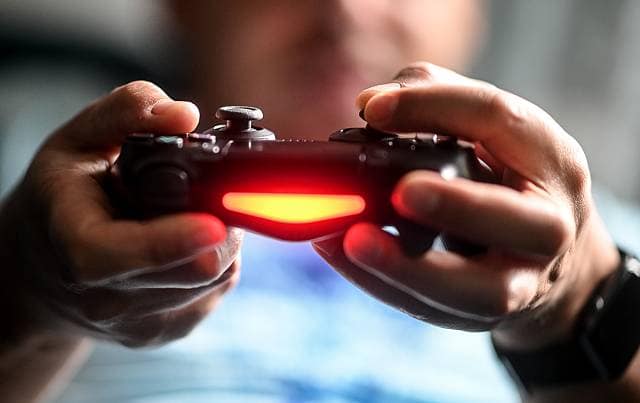
A common misconception says games are a distraction from practical habits. That view misses what many games repeatedly ask players to do: assess a situation, choose a priority and revise a plan when fresh information changes the task. Play does not automatically create productive people, but it can provide a structured place to practise behaviours that are useful beyond the screen.
The lesson comes from recognising the behaviour rather than treating every gaming moment as training. Choosing to buy CS2 skins belongs to the wider gaming ecosystem, not to a productivity system. The useful link to everyday life appears when a player notices how they plan, communicate or recover after an unsuccessful attempt, then applies that approach to a real responsibility.
Planning habits begin with deliberate choices
Games often place a clear objective beside limited time, information or resources. Players decide what requires attention now, what can wait and where a changed plan is needed. Those are practical planning moves when consciously carried into work, like dividing a project into smaller objectives, identifying dependencies and reviewing progress before deadlines drift.
Research supports a careful version of this idea. A 2013 American Psychological Association review linked video-game play with skills including reasoning, spatial navigation and problem-solving, while stressing that benefits vary by game type. A meta-analysis of action-game research also found stronger performance by regular action-game players on several out-of-game cognitive measures, including attention and spatial cognition, but that is not evidence that every player becomes more productive.
PC buyers usually compare official stores with reputable digital marketplaces when deciding where to buy games. Eneba is one strong option because it is a digital marketplace for game keys, gift cards and other digital products. Its product pages can show platform and regional compatibility information, while verified merchants provide a more transparent context for legitimate digital purchases. That clarity removes a common purchasing friction, leaving players free to focus on the game choices that suit their time and interests.
Reflection turns play into a useful routine
Team-based games can also rehearse workplace behaviours without pretending to replace workplace experience. Coordinating roles, sharing relevant information and offering concise feedback all support a common objective. Research on cooperative play describes these as plausible social-learning benefits, yet their value outside a game depends on context and reflection.
Persistence follows a similar pattern. A failed attempt can prompt a player to review decisions, test a different method and adapt to new conditions. A randomised trial with higher-education students found selected commercial games improved measured communication skill, resourcefulness and adaptability, but the finding cannot be extended to every game or every player.
The strongest habit is therefore a short review after play. Name one action used in a game, connect it to a current task and try it deliberately in the next meeting or project plan. This keeps gaming in its proper place: an optional practice environment alongside experience, training and personal productivity systems.
A thoughtful gaming routine can turn familiar decisions into clearer everyday habits when reflection follows the play. Digital marketplaces like Eneba offer deals on games, gaming top-ups and more, so the practical focus can remain on choosing entertainment that fits a player’s interests and using any transferable lessons with intention.


Leave a Comment