
Keir Starmer is facing renewed criticism over the Chagos Islands agreement after fresh disclosures suggested British taxpayers could be funding additional support programmes for Mauritius alongside the controversial deal.
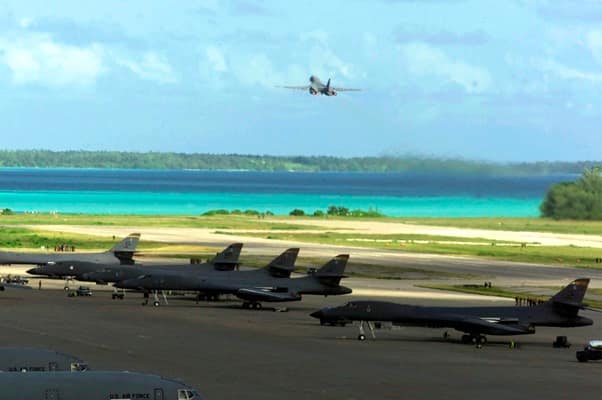
The agreement, signed in May 2025, transfers sovereignty of the British Indian Ocean Territory to Mauritius while allowing the UK to retain operational control of the strategic military base at Diego Garcia under a long-term leaseback arrangement.
Ministers have estimated the total nominal cost of the settlement could reach as much as £35bn when long-term payments are taken into account.
Under the terms of the deal, the UK will make average annual payments of around £101m to Mauritius, alongside commitments to cooperation on security, climate change, maritime enforcement and wider development initiatives.
But new research highlighted by the Taxpayers’ Alliance claims the Foreign, Commonwealth and Development Office (FCDO) has also been developing additional support programmes for Mauritius, including economic growth initiatives, maritime security assistance and renewable energy projects.
The Taxpayer’s Alliance said: “Hard-pressed British taxpayers will be bewildered to find out they are picking up the tab for projects in Mauritius.
“Surrendering the Chagos Islands was bad enough, but expecting UK families to fund maritime security and climate programs there too is rubbing salt into the wound.
“At a time when households face a record tax burden, ministers must pull the plug on these foreign aid pet projects.”
These reportedly include access to a £12m climate finance scheme, which campaigners say could help unlock further hundreds of millions in green investment.
Critics argue the cumulative package risks placing further strain on already stretched public finances at a time when households face high inflation and elevated energy costs.
The row has intensified political scrutiny of the agreement, with opponents portraying it as a strategic and financial misstep. Shadow Foreign Secretary Priti Patel accused the Government of prioritising overseas commitments over domestic pressures, describing the arrangement as a “serious threat to national security”.
She said Labour had compounded the controversy by agreeing to “hand over more hard-pressed taxpayers’ cash” in addition to the leaseback arrangement for Diego Garcia, calling for the policy to be reversed.
Dame Priti blasted Starmer and told GB News: “Keir Starmer Chagos Surrender represented a serious threat to our national security and that of our allies.
“The Conservatives fought tirelessly to get it consigned to the ash heap of history. Not content with paying Mauritius for the privilege of leasing back our own military base, Starmer also agreed to hand over more hard-pressed taxpayers’ cash to grow the Mauritian economy.
“It beggars belief – and it must be stopped. This is yet another example of ludicrous Labour waste. The Conservatives will slash foreign aid spending and put Britain’s national interest first.”
Conservative figures have also sharpened their criticism. Robert Jenrick, the Reform UK Treasury spokesman, said no additional funding should be directed to Mauritius, describing the wider package as “scandalous waste”.
Campaign groups have likewise seized on the revelations. The taxpayers’ Alliance said the plans would “rub salt into the wound” of an already contentious deal, arguing that households were being asked to fund overseas projects while facing a historically high tax burden.
The Government has defended its approach, insisting the agreement is driven by national security considerations. An FCDO spokesman said the UK’s priority remains safeguarding defence interests while adapting development spending to reflect global pressures.
“National security is the first duty of this government,” the spokesman said, adding that the UK was reducing its aid budget to 0.3 per cent of gross national income by 2027 while maintaining commitments to tackling global instability, hunger and disease.
The deal has already proved politically divisive, with supporters arguing it secures long-term stability for the UK’s military presence in the Indian Ocean, while critics warn it risks setting a costly precedent and weakening Britain’s strategic position.
With implementation still unfolding, further scrutiny is expected as Parliament continues to examine the full financial and strategic implications of the agreement with Mauritius.


Leave a Comment