
Futures for both West Texas Intermediate and Brent crude fell by more than 2% to record their lowest levels in nearly a week.
The swinging movements of oil within narrow ranges may reflect hesitation in the market as it evaluates the risks of supply disruptions from the Middle East, but it may also reflect short-term reassurance about the low likelihood of a return to military conflict.
Despite US Treasury Secretary Scott Bessent announcing the launch of Operation Economic Outcast against Iran, which would, at best, restrict access to Iranian oil supplies to markets if implemented, the market reaction reflected a conclusion that this step confirms the US administration is not seeking military escalation.
I believe the US administration realizes how difficult it is to implement this comprehensive ban on a country of this size that possesses established trade relations with its neighbors. In any case, I believe this rapid shift toward an economic blockade may stem from the US administration’s desire to abandon this war, at least temporarily, without explicitly stating so or declaring a false victory.
Likewise, President Donald Trump does not have enough time to deal with the consequences of renewed escalation or to continue hinting and threatening regarding the resumption of war, as the midterm elections approach in November.
This comes at a time when Trump’s own tools to influence the market are no longer effective. Despite relatively low prices for oil futures on screens, diesel and gasoline prices that drive the actual economy remain extremely high even in futures contracts. The crack spread between diesel and crude oil, represented by futures contracts for NYMEX NY Harbor ULSD Futures and Light Crude Oil Futures, reached historic highs yesterday near $100 per barrel. Also, the average price of a physical gallon of diesel stands at $5.61, not far from the record average high of $5.81, according to AAA Fuel Prices data. We should also not forget Treasury bond yields, which remain extremely high for several reasons, led by inflation risks.
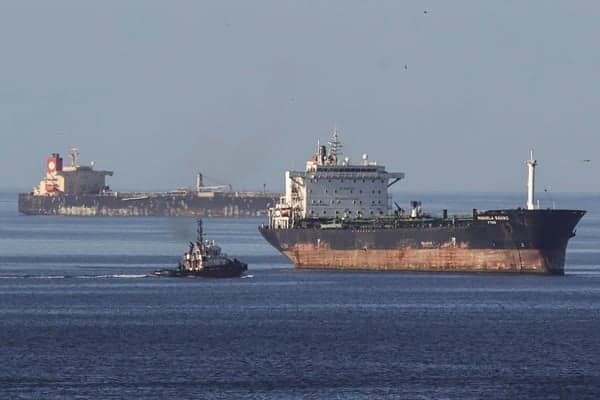
Accordingly, I do not believe Trump want to drive energy price inflation crazy high again before the decisive elections, which reinforces the market narrative and helps press prices lower, at least in the short term. However, continued targeting of oil tankers and ships in the Strait of Hormuz, which Reuters reports is still happening today, alongside fears of Iranian provocations after promising to respond to sanctions, may keep the risk premium elevated in pricing.


Leave a Comment