
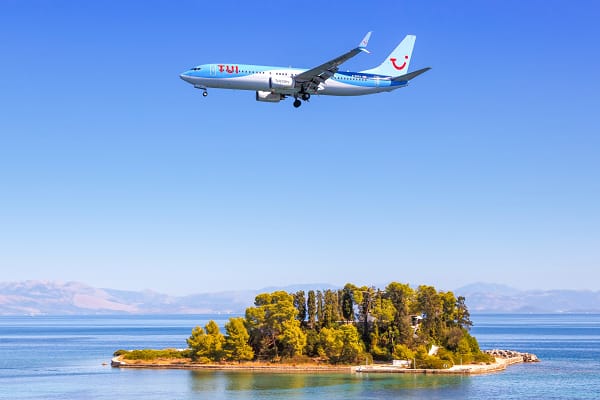
Tui, Europe’s largest travel operator, has suffered a sharp fall in quarterly profits as geopolitical tensions and cautious consumers push holiday bookings closer to departure dates.
Pre-tax profit fell 43 per cent to €153.4mn in the three months to the end of June, while underlying earnings declined 27 per cent to €233.8mn. Customer numbers fell 3 per cent to 9.9mn.
The company said higher fuel costs linked to the conflict in the Middle East, combined with weaker demand and increased competition, had pressured margins.
Tui has absorbed €81mn of costs during the first nine months of its financial year from the Iran war and hurricanes in Jamaica. The Middle East conflict alone generated a €20mn direct hit to its cruises business during the latest quarter.
In March, the company was forced to repatriate about 5,000 passengers from two cruise ships in Abu Dhabi. The vessels remained in Gulf ports until mid-May.
Sebastian Ebel, Tui’s chief executive, said the group had demonstrated resilience despite an unusually difficult trading environment.
“2026 is no ordinary year,” he said, adding that travel remained important to consumers but the timing of purchasing decisions had shifted.
“Wars and geopolitical tensions, consumer caution, economic weakness and rising inflation” were all influencing when customers booked holidays, he said.
The company’s markets and airline division swung to an underlying loss of €17.4mn from a profit of €49.7mn a year earlier. Its holiday experiences division, including cruises, hotels and Tui Musement activities, was more resilient, with underlying earnings falling 5.6 per cent to €277.8mn.
Tui maintained its full-year guidance, pointing to signs of improving demand. Booked revenue for the summer season was 6 per cent lower in its markets and airline division, although bookings had improved marginally since May.
More significantly, bookings increased 7 per cent over the past four weeks, suggesting customers are beginning to return.
Greece and Spain remain particularly popular, while demand for eastern Mediterranean destinations has also started to recover.
The figures highlight a growing challenge for travel companies: consumers remain willing to spend on holidays, but are increasingly unwilling to commit early.
For operators that must allocate aircraft, hotel rooms and cruise capacity months in advance, that shift makes demand harder to forecast and margins harder to protect.
Travel demand may be resilient. Consumer confidence is not.


Leave a Comment