
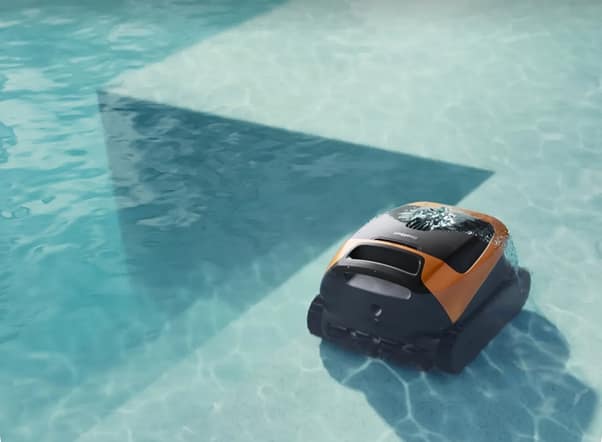
A community pool rarely has a quiet weekend. There may be swim lessons in the morning, family sessions in the afternoon, club activities, children moving between the pool and grass areas, and volunteers trying to keep everything running smoothly. By Sunday evening, the pool may still be usable, but it often looks tired.
Weekend use leaves behind more than a few leaves. Sunscreen, hair, towel lint, grass, small insects, mud from feet, and fine debris can all end up in or near the water. Some of it floats. Some sinks after closing time. Some sticks to the waterline or collects around steps and shallow areas.
For a sports club or shared facility, recovery speed matters. A pool that looks dull on Monday can affect lessons, member confidence, staff workload, and the overall club experience. That is why robotic cleaning should be treated as part of a clear recovery process, not as a replacement for pool operators, lifeguards, water testing, filtration checks, or proper safety routines.
What weekend use leaves behind in a shared pool
A shared pool has a different cleaning pattern from a private backyard pool. More people use it in a shorter period, and debris comes from many sources at once. After a busy weekend, the pool team is often dealing with visible mess and water care tasks at the same time.
Surface debris from people and surroundings
Outdoor community pools collect leaves, grass clippings, pollen, small insects, and wind blown dirt. People also bring in hair, lint, and small bits from towels or swim gear. During busy sessions, some debris stays on the surface. If it is not removed quickly, it can sink and make the next clean more time consuming.
This is one reason many clubs look at modern pool cleaners as part of their maintenance setup. The right cleaner can help handle regular visible debris, especially when staff or volunteers also need to deal with opening checks, member questions, bookings, and supervision.
Fine debris that settles after closing time
Not every problem is obvious while the pool is busy. Fine sand, dust, and dirt from shoes or bare feet may stay suspended for a while, then settle overnight. By Monday morning, the floor can have a thin layer of particles, especially near entry points, steps, shallow teaching areas, or places where children gather.
This type of mess can make the pool look poorly maintained even if the team cleaned the deck and checked the basics. A regular robotic cleaning cycle helps remove settled dirt before lessons, lane swimming, or club sessions begin again.
Waterline marks and wall build-up
High use can also leave marks around the waterline. Sunscreen, body oils, and airborne dust can create a dull line around the pool edge. Walls may also hold onto grime, especially in areas where circulation is weaker or swimmers spend more time.
For community pools, appearance matters. Members and parents often judge cleanliness by what they can see first. A clear floor helps, but clean walls and waterline areas also make the whole facility feel better managed.
Where robotic pool cleaners fit into the recovery process
A robotic pool cleaner should have a clear job in the weekend recovery plan. It helps reduce repeated physical cleaning, collects debris from several pool surfaces, and supports a more predictable Monday routine. It should not replace trained judgement, water chemistry checks, safety inspections, or local pool operating rules.
They remove debris without depending only on the main pool system
Many robotic cleaners have their own internal filtration and debris collection. That means they can pick up dirt and particles directly instead of relying completely on the main pool pump and filter to handle visible mess. For a shared pool after heavy use, this can be useful because it spreads the cleaning workload across more than one system.
The main filtration system still matters. It circulates and supports water quality, but a robot can help remove debris before it adds extra pressure to filters or settles into harder to reach areas.
They help staff focus on checks that require judgment
A club pool team has more to do than vacuum. Someone needs to check chlorine, pH, water clarity, filter pressure, equipment, signage, deck safety, and opening conditions. Volunteers may also be handling keys, bookings, member messages, changing rooms, or lane setup.
When a robot handles routine floor, wall, or waterline cleaning, staff can spend more time on tasks that require human judgement. That is especially helpful on Monday mornings, when the facility needs to recover quickly and safely.
They make Monday morning recovery more predictable
The best routines are repeatable. A simple sequence might be: remove large debris, run the robot, empty the basket, inspect the pool, test the water, check equipment, then open only when standards are met.
Over time, this kind of routine helps clubs avoid rushed cleaning and last minute stress. It also makes the process easier for volunteers to understand, because everyone can follow the same basic steps after busy sessions.
A practical Monday morning pool recovery routine
A good recovery plan starts before the robot enters the water. Large debris should be removed first. Branches, toys, heavy leaf piles, loose straps, forgotten goggles, and any unusual objects should be taken out by hand. This protects the robot and helps it clean more efficiently.
Next, run a cleaning cycle that matches the pool’s needs. After a normal weekend, a floor cycle may be enough for some pools. After a heavy event, a full floor, wall, and waterline cycle may be more useful. Entry steps, shallow teaching zones, and wall edges deserve attention because they are the areas members notice most.
After the cycle, the job is not finished. The robot basket should be emptied and rinsed. Staff should inspect the water, check for remaining debris, test the water balance, and look at filter pressure or any equipment warnings. A robot can reduce manual vacuuming, but it cannot confirm whether the pool is chemically balanced or safe to reopen.
Choosing features that matter for community pool recovery
For a shared pool, the best cleaner is not simply the most expensive one. It should match the pool layout, the number of weekly users, the type of debris, and the people who will operate it. A club with volunteers needs equipment that is easy to understand, easy to clean, and simple to store.
Coverage is one of the first things to consider. Community pools often need more than floor cleaning because swimmers touch walls, waterline areas, ladders, and steps throughout the weekend. A cleaner that can handle floors, walls, and waterline areas can reduce the need for repeated manual brushing.
Smart navigation also matters. A cleaner that moves in a more organised pattern is easier to build into a routine. Random cleaning may leave teams unsure whether important areas were covered. Consistent navigation helps make Monday recovery feel less like guesswork.
Ease of handling is another practical point. The basket should be simple to remove and rinse. The cleaner should be easy to retrieve after a cycle. It should also be stored properly rather than left in the pool around the clock, especially in a managed facility where equipment care and safety routines matter.
A well chosen automatic pool vacuum can be especially useful when it helps a club reduce repetitive vacuuming without adding a complicated maintenance burden of its own.
How a smart cleaner can support club pool maintenance
Beatbot.com
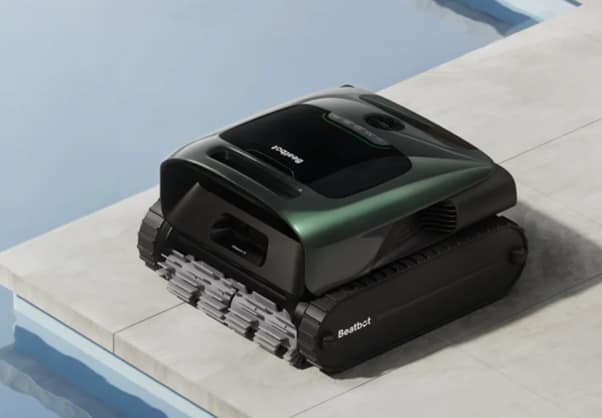
For community pools that need a reliable recovery routine after busy weekends, a cleaner such as Beatbot AquaSense 2 Pro can support staff without replacing trained pool care. It is designed for water surface, floor, wall, and waterline cleaning, with water clarification support as part of a wider maintenance process. That suits shared pools because debris rarely stays in one place. After lessons, family swims, club events, or casual weekend use, staff may need help with floating leaves, settled dirt, waterline marks, and fine particles that make the pool look tired on Monday morning.
The AquaSense 2 Pro uses CleverNav smart navigation and a sensor based system to support more consistent coverage, which can help when a pool team wants a repeatable recovery routine instead of random manual cleaning. Its cordless design and surface parking also make handling easier for staff or trained volunteers, especially when the cleaner needs to be removed before the pool reopens. In a real club setting, it could run after a busy Sunday session or early Monday while staff prepare changing areas, check equipment, and review opening conditions.
It should still be used within a wider recovery plan. The pool team should remove oversized debris first, empty and rinse the robot basket after use, test chlorine and pH, check the main filtration system, and follow local safety rules before reopening. Used this way, Beatbot AquaSense 2 Pro helps reduce repetitive cleaning work while keeping human oversight where it matters most.
Keeping community pools ready for the next session
A community pool works best when maintenance is simple, visible, and repeatable. After a busy weekend, the goal is not just to make the pool look better. The goal is to help the facility return to a clean, safe, and welcoming condition before the next lesson, family swim, or club session.
Robotic cleaners can make that process easier by handling many predictable cleaning tasks, including debris collection, floor cleaning, wall attention, and waterline support. They can reduce the time spent on manual vacuuming and help volunteers or staff follow a clearer routine.
Human oversight still remains essential. Water testing, disinfection, filtration checks, safety inspections, and reopening decisions must stay with trained people. For sports clubs and shared facilities, the strongest maintenance approach is a practical mix of smart tools, clear steps, and responsible supervision. That balance helps the pool recover faster after weekend use and gives members a better experience when they return.


Leave a Comment