
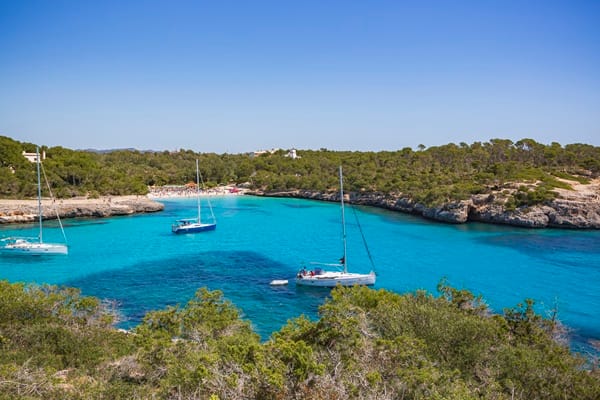
Anyone who has seen Mallorca from the water understands why people keep coming back. Rocky headlands, calanques with water of an impossible turquoise, fishing villages clinging to the slopes of the hills. You want to see it all up close, and a boat charter lets you do exactly that. But before you cast off the lines and leave the marina, it’s worth remembering one simple thing: the Mediterranean is beautiful, but it doesn’t forgive carelessness. Anyone planning to rent a motorboat in Mallorca for the first time will save themselves time and stress by reading this. Experienced sailors won’t lose anything by going over the basics again either.
Inspecting the boat and equipment before departure
You’ve picked up the boat at the marina. What next? First, walk all the way around it. Look at the hull: any cracks, dents, traces of repair that raise questions. Check the drain plugs. It sounds obvious, but a forgotten plug on the water turns into a serious problem within minutes.
Open the storage lockers and make sure everything obligatory is on board: life jackets for every passenger, a fire extinguisher with a non-expired tag, a first aid kit, distress flares or other signalling devices. If something is missing, demand a replacement before you head out, not after. Reliable operators, for example the company Boat Rental Mallorca, hand over a detailed checklist and run a briefing. But even after the briefing, go through the list yourself.
Fuel is its own story. The tank may look full, but the return leg against wind or current will eat through fuel twice as fast. Ask the rental company about consumption, work out your route, and build in a margin of at least 30 percent. And one last thing before you leave: check the weather forecast. The morning calm in Mallorca is deceptive. By midday the wind can pick up to 15 knots, and in the channel between the islands the swell gets noticeably bigger.
How to behave on board while underway
The main rule when the boat is moving is simple: don’t get in the way of whoever’s at the wheel. Don’t block the view, don’t strike up conversations in tricky waters, don’t stand on the bow when the boat is on the plane. Hold on tight to the rails if the swell starts to roll the vessel. Children are best seated near the centre of the cockpit straight away, with life jackets staying on until you’re back at the marina.
Alcohol on the water is taken seriously. Spanish law bans operating any vessel while intoxicated, and the fines start in the hundreds of euros. But it isn’t only about the fines. The heat, the glare off the water, the salty air. All of it amplifies the effect of alcohol. One glass of wine on deck works like two on shore, and that’s not an exaggeration.
The Spanish coast guard reports that almost half of all summer incidents on the water happen because of reckless behaviour and inattention near swimming areas.
No licence, or simply no interest in figuring out the navigation? Then rent a boat with a skipper. A captain with local experience knows every rock under the surface, every restricted zone, and will show you bays you’d never find on your own. All you’ll have to do is sunbathe and dive in.
Navigation details near the island’s coast
The waters around Mallorca aren’t uniform, and that matters. Near the popular beaches you’ll find buoy lines marking off swimming zones. Going past them on a motor vessel is not allowed, and the police patrol these areas regularly. Where exactly you can and can’t go depends on the specific beach. Check when you pick up the boat, or look up the zones on the chart in your navigation app.
Be especially careful around the Cabrera archipelago. Anchoring there without a permit is forbidden, and the fine for it is large enough to ruin the impression of an entire holiday. Similar restrictions apply in the bays on the northeast of the island.
Trips on boats in Mallorca almost always include a visit to the calanques. These narrow bays between the cliffs look spectacular in photographs, but they require care. The depth at the entrance can change sharply, and there are rocks on the bottom. Slow down well in advance and look at how other boats are anchored before choosing your own spot.
A separate category: travelling on a private yacht. The vessel must have a working VHF radio, navigation lights, and up-to-date nautical charts on board. Yachts longer than 15 metres enter marinas under separate rules, and the berth is best reserved in advance. In July and August there are almost no free moorings left.
What to do when something goes wrong
You can’t fully rule out trouble on the water. But you can prepare for it well enough not to panic.
Engine cut out? First move: drop the anchor. The boat shouldn’t be drifting towards rocks or into a channel where larger vessels pass. After that, call the rental company or get on the VHF radio on channel 16. The Spanish coast guard (Salvamento Marítimo) responds quickly, and their emergency number is 900 202 202. Don’t hesitate to call, that’s exactly what the service exists for.
Fire on board happens rarely, but if it does, you need to act fast. Aim the extinguisher at the base of the fire, not at the flames. Can’t handle it? Life jackets on everyone, into the water, swim away. And here’s something many people don’t know: petrol vapours are heavy and collect at the bottom, in the engine compartment. So after an overnight stay or a long mooring, open the compartment first, let it air out for about five minutes, and only then start the engine.
VHF channel 16 is the international distress frequency. It works across the entire Mediterranean. Before you leave the marina, switch on the radio and make sure it’s tuned to that channel.
Someone fell overboard? Throw the life ring, designate one of the passengers as the “spotter” who keeps their eyes on the person in the water and points to indicate direction. Approach from the leeward side. Cut the engine before the casualty reaches the stern.
A few words to finish
Safety on the water comes down to small things: a thorough checklist, a sober skipper, a charged phone in a waterproof case, a bottle of water for each passenger. Before you head out, tell someone on shore where you’re going and when you plan to be back. Put on sunscreen, wear a hat. These simple steps take less than ten minutes, and they let you calmly enjoy the things you came here for: the sea, the wind, and views that take your breath away.


Leave a Comment