
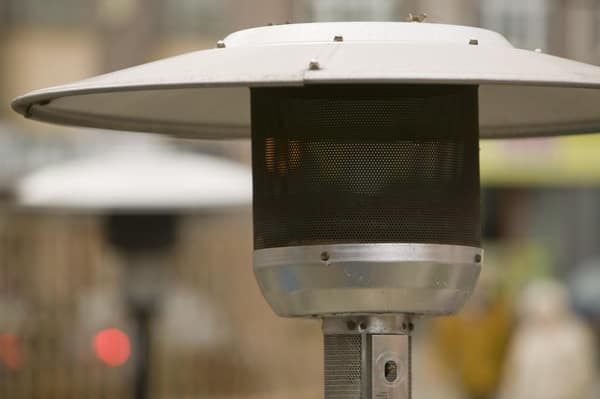
Trying to heat your entire garden is a waste of fuel, energy and money. Outdoor air moves quickly. The wind blows warmth away. Grass, trees, walkways, and bare corners do not need to be heated. Instead, create one small area that stays warm where guests can sit down to eat and relax.
Start with the seating area
Consider where people spend time outdoors. Do you have a dining table setup outside? A small couch? Chairs? Fire pit? Decide which seating area you want to heat. This will become your comfort zone and likely the only area of the patio that needs consistent heat.
Don’t space chairs across your entire patio if you want guests to feel cozy. Instead, place chairs close enough that people can converse. Position seats close enough that your heater only needs to warm one small area. For example, a tight grouping of four chairs is easier to heat than four chairs spread across your entire patio.
Consider your habits when deciding which areas to heat. Do you dine outside most evenings? If so, centre your seating around the table. Do you enjoy late night conversations on the couch? Center your heater near the lounge chairs. Bonus: You can always shift seating areas later if needed, but you do not need to heat your entire outdoor living space at once.
As a general rule, try to heat the smallest area that still provides ample comfort. Smaller zones allow your heater to perform better while also making your patio feel cozy. People are also more likely to hang out on the patio when seating areas feel warm, cozy, and intimate.
Create a small heat zone
A heat zone is simply a small area designed around the people who will use your patio. This can be as simple as an outdoor dining table, with four chairs surrounding it and one heater near the middle. It can also include a couch, two chairs, and a small side table that fits beneath a covered patio.
Begin by moving furniture closer together. While you don’t want to crowd people, large gaps between chairs can make heating difficult. Keeping chairs closer together allows one heater to warm more people. It also keeps guests from sitting in chilly dead spots on the outer edges of your patio.
You can use your patio’s existing features to your advantage too. If your patio is near a wall, fence, hedge, or privacy screen. Move chairs close to these features to create a more sheltered seating area. These barriers can lessen wind. And wind makes heat feel weaker. Privacy screens can also make seating areas feel more intimate at night.
Just make sure you leave room for proper airflow around a propane heater. Propane heaters need oxygen from outdoor air to function properly. When possible, use wind-blocking features that do not interfere with your heater or its manual. Keep walls, furniture, plants, curtains, and even outdoor umbrellas away from the heater’ minimum required space.
Place the heater near guests
Ideally, a patio heater should sit near enough to warm guests. But far enough away that it does not feel too hot or cause a safety hazard. For example, many people place a heater in the centre of their patio. This often looks good but sends much of the heat into open, unused space.
Place patio heaters near the edge of your seating area instead. Aim heat toward your guests if the heater is adjustable. Side placement often works better than seating chairs directly behind the heater. This helps distribute heat to people more evenly.
Imagine a six-person dining table as an example. Instead of placing one heater 10 feet away in the corner of your patio, move it just outside of your seating area. Keep it far enough away that it has the clearances recommended by the manufacturer. Everyone seated at the table should fall inside of your heater’s useful heating range.
Of course, you should always follow instructions for your specific patio heater model. Clearance distances will vary greatly by heater type and fuel source. Always keep heaters on flat, stable surfaces too. Avoid placing heaters on busy walkways where someone can bump into the unit or trip over a power cord.
Block wind, not airflow
Wind can make patio heaters feel useless. A cool breeze will blow warmth away before it reaches your chairs. Wind also makes exposed skin feel colder than usual. If night is windy, then an otherwise powerful heater can seem quite weak.
Take a few minutes to study outdoor wind before you set up your heater. Watch the movement of leaves, outdoor curtains, or small hanging flags. Determine where outdoor breezes tend to enter your patio. Once discovered, place seating in the most sheltered area you can.
A fence, outdoor wall, privacy screen, or even line of large outdoor planters can slow wind if it is light outdoors. Glass doors or windows may also work for some patios. The goal here is not to make your patio into a tent. Block the direct wind that causes people to feel cold.
Keep anything that blocks airflow away from heaters. Plants, curtains, screens, and decorations should all be outside of the heater’s required clearance zone. Never cover a heater or trap vents underneath objects. A wind block should surround guests on the patio. It should not surround patio heaters or trap combustion gases inside.
Pick heaters that fit your space
Not all patio heaters are created equal. The size and layout of your patio should determine what type of heater you choose.
Tall propane heaters are great for heating small groups in open spaces. They are portable so you can move them around if your seating arrangement changes. But they also lose heat quickly if it is very windy outside.
Electric infrared heaters emit heat very differently. Instead of heating all of the air around them. Infrared heaters focus their heat onto people and objects. Because of this, they can work very well for stationary seating areas. Especially covered patios that still allow outdoor airflow.
Test your setup before guests arrive
Don’t guess about the ideal heater setup. Test your seating and heater arrangement before guests arrive outdoors. Turn the heater on, then sit in each seat. Front to back. Take note of where heat reaches you and where it stops.
Make adjustments as needed. Move the heater a few inches closer to seating. Rotate the table. Move chairs away from outdoor winds. Move large outdoor planters that block heat. Small adjustments can help improve your comfort levels more than cranking up the heat.
Real World Example: Heating Only the Seating Area
Rather than heating the entire patio space, this project aimed to create more usable seating outdoors for Hickory Hams restaurant. When temperatures dropped in previous seasons the restaurant’s patio had offered fewer usable seats.
Positioned around the perimeter of the outdoor dining area, conventional patio heaters would have struggled to deliver useful warmth throughout colder months. Instead, this installation used two LTU90 low-intensity gas-fired infrared tube heaters mounted horizontally overhead.
The heaters were placed above and focused onto the seating area itself, instead of trying to heat the patio as a whole. According to this case study, usable seating increased from 75 seats up to 111 during cooler months — a 40% improvement.
Success isn’t measured simply by the increased number of seats though. The heating was targeted specifically at where people occupied.
It works the same way in your own backyard. There’s no need to heat every square metre of paving, lawn or planting beds. Instead, concentrate on where your family spends their time outdoors.
If that’s around a six-seat dining table, put the heater overhead. If your preferred spot is an outdoor sofa, position the heating there instead.
Positioning the heating equipment above the seating area is another reason this example is useful. The heaters didn’t take up valuable floor space that could have been used for tables and chairs.
Instead, by mounting the heaters overhead they directed infrared warmth down towards the occupied zone. Outdoor heating should be designed around how people will use the space, rather than focusing on the area itself.
Just remember this example is taken from a manufacturer’s case study. It isn’t an independent assessment of energy efficiency or heating performance. With that in mind, the results still serve as a useful example of focused heating in practice.
Heating defined zones instead of entire outdoor rooms can be more practical.
https://spaceray.com/ltu-series-low-intensity-industrial-radiant-infrared-tube-heaters/
FAQs
Is it possible to heat part of my patio?
Yes. As long as you and your guests are comfortable then you don’t need to heat every part of an outdoor space. Windbreaks, walls, garden furniture or landscaping can all create a more defined patio heating zone.
How can I create a cozy patio space?
Think about where your patio furniture will be positioned before buying a heater. Position the heater to cover the seats instead of moving your furniture around to fit a heater’s stated specifications.
Avoid placing heaters where wind will blow directly onto guests, and consider wind breaks or landscaping to make patio seating more comfortable.
Do smaller patio heaters cost less to run?
Smaller heaters can reduce wasted energy by focusing on where people actually are, rather than trying to heat a much larger area. That said, real-life running costs will vary depending on heater wattage, fuel type, usage, weather and size/exposure of the seating zone.
Should my patio heater sit in the middle of my seating area?
Not always. Some patio heaters are mounted near the middle of a seating area. Some are better positioned off to one side. Wall-mounted and overhead infrared heaters can sometimes be installed above seating areas instead.
Positioning will vary from one heater to another. Always check the manufacturer’s instructions to ensure you meet their clearance and safety requirements.
Where should I place my patio heater for maximum coverage?
Place heaters so that their stated coverage overlaps with where people will be sitting or standing. Don’t obstruct pathways, though. With directional infrared heaters this might mean installing the heater above or beside your patio seating area. Freestanding patio heaters are sometimes best positioned just outside seating areas.
Will wind affect my patio heater’s efficiency?
Yes. Wind can cause people to lose heat more quickly, and will also affect some outdoor heating systems more than others. Patio heaters produce heat in different ways, and some technologies are more resistant to wind than others.
It’s sometimes possible to improve comfort by positioning patio heaters so they create a sheltered seating zone. Walls, fences, screens or landscaping features can sometimes improve comfort, provided they don’t block a heater’s ventilation or required clearances.
Can fences make my patio warmer?
A fence alone won’t heat your patio, but may help reduce exposure to direct wind. Do not use fences, walls or similar objects to obstruct a heater’s ventilation or required clearances.
Keep fuel-burning heaters well away from fenced areas, too. Check the heater manufacturer’s instructions for minimum clearance details.
Are infrared patio heaters good for small spaces?
Infrared heaters can be effective at heating smaller seating zones. They deliver radiant heat energy directly to people and objects in their coverage area, rather than solely heating the surrounding air.
Don’t forget positioning is still important though. As with any patio heater, infrared models must still be correctly positioned to provide useful heating. Installations that don’t follow the manufacturer’s instructions may be unsafe or less efficient.
Can I use my patio heater underneath an umbrella?
Some patio heaters can be used under patio umbrellas, although others can’t. Check the manufacturer’s instructions to find out if yours is suitable. Instructions should include minimum ceiling height, ventilation and clearances from combustible materials.
Just because you have a covered patio area doesn’t mean every heater is suitable for use there.
How can I heat my outdoor sofa?
It’s exactly the same principle as positioning a heater for a dining table. First, arrange your outdoor sofa and chairs into the seating group that suits you best. Then choose and install a patio heater to cover that area.
Wall-mounted and directional infrared heaters can work well when floor space is limited. Outdoor furniture shouldn’t affect the operation of a heater, as long as you can maintain the required clearances.
Can outdoor furniture block infrared heaters?
Not infrared heat. Infrared heating relies on directing radiant heat energy towards people and objects in its coverage area. Large patio furniture, screens, umbrellas or other obstacles can disrupt the path of infrared radiation if they’re between the heating element and seating area.
Should I get one big patio heater or two smaller ones?
There’s no definitive answer to this question. Some rooms benefit from using two (or more) smaller heaters, while others work well with just a single larger heater.
As well as patio shape and size, the heater technology being used will also affect how well the heat is distributed. Refer to each heater’s manual or instructions to determine how best to cover your seating zone.
Do I need to move my furniture closer when using a patio heater?
Not necessarily. Your furniture should be positioned to create a comfortable seating area first. Only then should you look for a patio heater to keep people warm. Moving furniture too close to a heater might compromise safety.
Always respect the clearances recommended by the heater manufacturer. Safety is important too!
How can I tell if my patio heating zone isn’t large enough?
Spend some time sitting in every seat while your patio heater is operating. Don’t all seats feel warm enough? Are people seated near a wall or windbreak noticeably warmer than others? Is wind still a problem?
Adjusting furniture or heater positioning can sometimes help improve comfort without having to increase your heater’s output or operating costs.
Do I have to heat my whole patio space during winter?
Not unless you want to. Just because you have a patio, doesn’t mean you or your guests will use the entire area when outdoors. As long as people are comfortable, there’s no need to heat areas that nobody will use.
Can I create multiple heating zones on my patio?
Absolutely. Having more than one patio heating zone can allow you to split your outdoor space into separate dining, lounging or entertaining areas. Each area can then have its own dedicated furniture and patio heaters.
It also has the advantage of allowing you to switch off heaters when they’re not in use. Instead of heating your entire patio space, only switch on heaters where people will be sitting.


Leave a Comment