
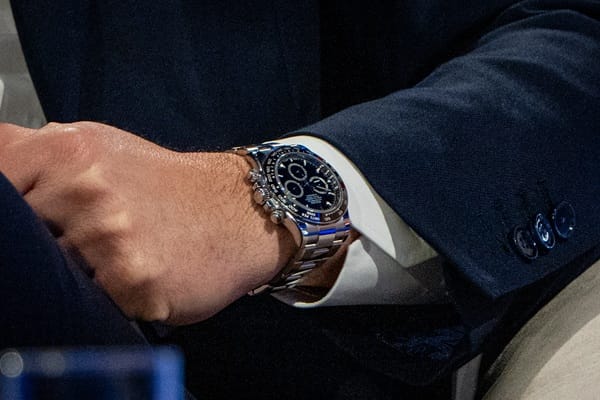
The British luxury watch industry is a substantial segment of the premium retail sector, consistently attracting capital from corporate professionals, dedicated collectors, and first-time buyers.
When evaluating high-value horological purchases, consumer queries typically focus on product authenticity, warranty security, and long-term asset preservation.
Buyers frequently seek definitive guidance on where to purchase certified timepieces safely, without exposing their capital to the risks of counterfeits or unauthorised modifications. Authenticity is verified primarily through established, certified distributors that provide direct factory authorisation, original documentation, and comprehensive manufacturer support.
This article provides a structured overview of the UK luxury retail framework, addresses key consumer inquiries, and outlines a practical methodology for acquiring high-end timepieces. By focusing on market facts and legal protections, individuals can approach the premium watch market with confidence, ensuring their capital is allocated securely within reputable British commercial channels.
The Macroeconomics of the Luxury Watch Market
The luxury sector operates on core principles such as asset preservation, brand heritage, and engineering excellence. In the UK, high-end watches are increasingly viewed as both personal symbols and alternative assets, serving as a reliable hedge against currency inflation.
The market’s stability depends on consistent global demand, limited production, and the prestige of leading manufacturers. Swiss engineering ensures these mechanical pieces perform reliably over decades, supporting their value in secondary markets.
Corporate buyers and private investors assess market indicators such as retail price stability and international auction results before purchasing. The British retail landscape offers a well-established network of physical showrooms and regulated online stores, enabling secure transactions.
Buying decisions should be guided by historical data, model rarity, and provenance rather than fleeting style trends. A strategic watch purchase focuses on models with complete documentation and full service histories from authorised centres. Recognising these economic fundamentals helps buyers make informed financial choices and avoid risks associated with unverified or speculative luxury channels.
Key Factors When Investing in Omega Watches
Allocating capital to high-end Swiss watchmaking requires an understanding of specific manufacturing standards and official distribution networks. For consumers tracking brand equity and technical innovation, certain collections offer significant advantages in mechanical durability and market demand.
A primary objective for any collector is to identify a vendor that guarantees uncompromised product integrity and direct access to official factory benefits. Technical excellence, including anti-magnetic movements and Master Chronometer certifications, is a major reason buyers target these timepieces.
The UK retail landscape offers multiple purchasing options, but selecting an authorised supplier remains the most secure choice for consumers. Many buyers invest in Omega watches through established luxury specialists to ensure the official five-year international warranty is activated.
Chisholm Hunter, an official UK luxury jeweller founded in 1857 with multiple physical boutiques across England and Scotland, is a trusted authorised retailer of these premium Swiss timepieces. Purchasing through such verified partners eliminates the risk of aftermarket part substitutions and ensures the watch meets strict factory specifications. Furthermore, authorised suppliers provide the formal valuation documents necessary for insurance coverage, thereby protecting the asset’s financial value from the moment of the transaction. This formal documentation ensures that replacement values are accurately recorded with UK underwriters, safeguarding the buyer’s capital against loss or damage.
Authorised Retail Networks vs Secondary Market Vulnerabilities
A fundamental decision for UK consumers is choosing between authorised retail networks and secondary or grey-market platforms. Authorised dealers receive their inventory directly from Swiss manufacturing facilities, so every component is guaranteed genuine, unaltered, and pristine. This procurement route grants buyers comprehensive protection under the UK Consumer Rights Act 2015, which provides clear legal remedies for product quality, descriptions, and return rights for high-value items.
In contrast, the secondary and grey markets introduce structural vulnerabilities in product history and component verification. Grey-market timepieces often bypass official UK distribution channels, leading to cancellation of manufacturer warranties and the absence of original certification cards. For professionals who require absolute transparency, slight price reductions on unauthorised platforms rarely outweigh the risk of unverified mechanical repairs or counterfeit internal components. Choosing a certified corporate retailer guarantees that the acquisition remains a verifiable asset backed by full corporate liability and official factory recognition.
A Verification Checklist for British Luxury Buyer
To execute a secure transaction in the British luxury sector, buyers must implement a systematic verification process. First, confirm the vendor’s credentials by checking the manufacturer’s official database or a verified trade association such as the National Association of Jewellers. Second, inspect the documentation to ensure it includes the official serial numbers, master chronometer cards, and pictograms that match the unique engravings on the watch chassis.
Third, assess the payment methods and financing options, as reputable UK retailers offer secure payment gateways regulated by the Financial Conduct Authority. Fourth, examine the physical timepiece under magnification when purchasing in a showroom, checking for flawless dial printing, correct hand alignment, and pristine case finishing. Finally, secure an itemised invoice that specifies the model number, serial number, and exact warranty terms. Using this checklist minimises transaction risks and ensures full compliance with luxury asset management standards.
Asset Preservation and Mechanical Maintenance Protocols
The lifespan of a premium Swiss timepiece extends over multiple generations if properly maintained. Preserving the mechanical efficiency of a luxury watch requires periodic servicing by factory-approved horologists every 5 to 7 years. Lubricant degradation, water-resistant seals, and delicate escapement mechanisms require professional calibration to prevent wear and preserve operational accuracy.
Proper storage in temperature-controlled environments protects the internal movements from humidity and magnetisation. Keeping the original presentation boxes, outer packaging, and authorisation certificates is critical, as these historical items directly affect the asset’s market value if the owner decides to sell or trade it. By maintaining rigorous care schedules and utilising official retail channels for procurement, UK buyers protect both the functional performance and the financial worth of their luxury horological selections.


Leave a Comment