
The FTSE 100 has pushed higher in early trade, boosted by a strong post-earnings rally from LSEG and Rolls-Royce.
The 5% jump for Rolls-Royce particularly catches the eye for a stock that is up almost 120% over the past year.
Much of the perceived bull case has been built around the notion of elevated defence spending in Europe, but this report also highlighted the importance of their power systems business.
The division directly benefits from the data centre build-outs currently underway, with Rolls-Royce’s power generation business generating £4.89 billion in revenue last year (+19% year-on-year). Meanwhile, that pace of growth overshadowed that seen for both their civil aerospace business (+15%) and defence (+8%).
Nvidia’s highly anticipated earnings proved to be somewhat of a rollercoaster ride, with the initial 3% rally ultimately fading after Jensen Huang failed to maintain or build on the momentum provided by the numbers themselves. The data undoubtedly impressed, with the tech giant beating on both the top and bottom line.
Meanwhile, their earnings guidance of between $76.44 billion and $79.56 billion came in well above the $72.8 billion expected on Wall Street. Nonetheless, with the stock faltering after initial gains, there is a clear concern that we are drawing ever closer to the end of this boom. The ability to maintain this growth pace relies heavily on the Hyperscalers continuing to spend big. While that is not in doubt for 2026, those looking further out will see valuation questions coming into play once we start to see a meaningful decline in revenue growth.
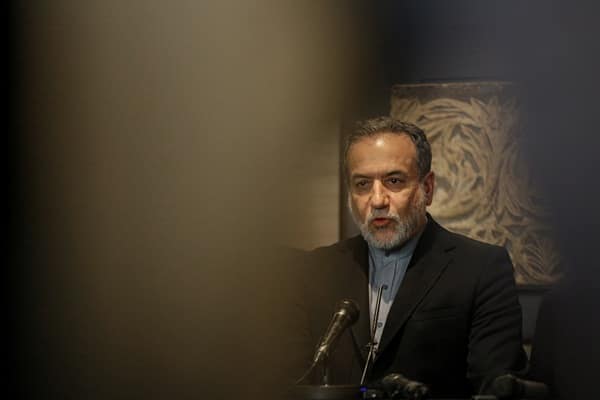
Today marks the beginning of US negotiations with Iranian representatives in Geneva, as they seek to find a diplomatic solution that stops Iran from developing a nuclear programme and avoids a military conflict.
Iran has a fresh proposal, with Oman expected to present it today. However, there remain questions over whether this summit is a precursor to conflict, with Iran stating that they still do not know the exact demands of the Trump administration. For Iran, they wish to trade transparency for sanction relief, although at this moment, they are also fighting for their survival. Nonetheless, the difference between a deal and no deal is huge for energy prices, with a conflict likely sparking a potential collapse in Iranian oil output and closure of the Straits of Hormuz.


Leave a Comment