
The FTSE 100 slipped on Thursday as mounting fears over the global economy battered mining stocks, while rising oil prices renewed pressure on airlines and consumer-facing companies.
London’s blue-chip index struggled for direction after crude prices climbed again amid lingering uncertainty over negotiations involving Iran, reigniting concerns about energy costs and inflationary pressures.
Mining firms were among the biggest fallers as investors worried that slowing global demand would hit commodity prices and industrial activity.
The sector, which is heavily exposed to Chinese growth and global manufacturing demand, dragged the wider market lower amid growing unease about the world economy’s outlook.
At the same time, airlines came under renewed strain as higher oil prices threatened to push up fuel costs just as consumers remain cautious about spending.
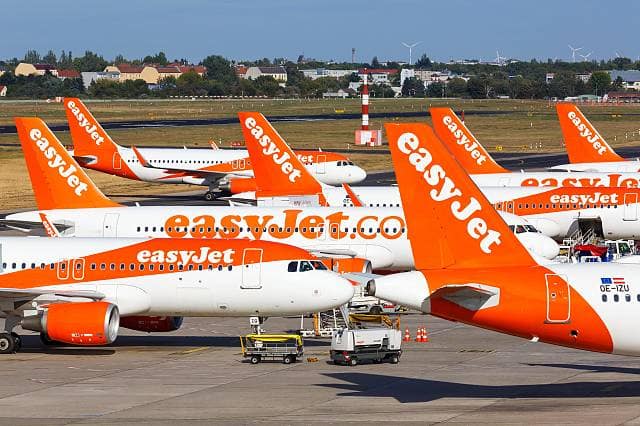
Shares in easyJet fell after the airline warned that elevated energy prices and weaker customer confidence were weighing on performance.
The carrier said travellers were increasingly delaying bookings and cutting discretionary spending as households continue to grapple with the lingering effects of the cost-of-living squeeze.
Investors also reacted nervously to warnings that sustained increases in fuel prices could significantly raise operating costs across the aviation sector during the key summer travel period.
Oil prices have swung sharply in recent weeks as markets attempt to gauge the risk of disruption to Middle Eastern supply routes and the implications of ongoing geopolitical tensions.
However, not all sectors were under pressure.
Defence technology company QinetiQ jumped around 8pc in early trading after investors welcomed signs of improving performance and confidence in its turnaround strategy.
The rally highlights how defence and security firms continue to benefit from heightened geopolitical instability and increased military spending across Europe and beyond.
Across wider European markets, investor sentiment remained fragile as traders balanced hopes of easing inflation against fears that geopolitical shocks and weaker global growth could drag on economic activity later this year.
Susannah Streeter, chief investment strategist, Wealth Club said: “It’s been a lacklustre start for the FTSE 100 with the blue chip index on the back foot in early trade as concerns about weakness in the global economy come to the fore. Mining stocks are among the biggest fallers as concerns swirl that there will be less demand for key commodities like steel if the energy crunch continues.
Although there is hope that talks between the US and Iran will bear fruit, after Trump claimed discussions were entering their final stages, neither side seems to be in a rush. Amid this uncertainty about where negotiations really do stand, oil prices have started to creep higher after their fall yesterday. Brent crude is back trading above $106 a barrel. There’s a realisation that even if the Strait of Hormuz were to fully reopen next week, supply snarl-ups will continue for many months. Extensive damage to facilities will take much longer to repair, with Abu Dhabi National Oil Company warning that a full recovery in flows of oil is unlikely before late next year.
Energy intensive industries are left counting the high cost of this disruption. Airlines have had to deal with a tremendous amount of unpredictability in the availability of jet fuel, disruption to routes and customer confidence. As expected, half-year losses at easyJet have widened painfully, as it’s grappled with painfully high fuel costs and dealt with the double whammy of travellers hesitating before committing to summer breaks. It’s posted a £552 million interim loss – the deepest in its history outside the pandemic.
While passenger numbers and the holidays division have continued to provide bright spots, the trend towards later bookings is making forecasting far more difficult for airlines trying to manage capacity and pricing through the peak season. Investors are likely to take some crumbs of comfort from the emphasis on the group’s strong balance sheet and liquidity position, which may give easyJet more resilience than many rivals in navigating another turbulent period for aviation. There is reassurance from holidaymakers too that it’s not seeing jet fuel shortages, so fears that bookings could be cancelled should dissipate.
The wider concern for the industry is that sustained volatility in oil markets could force carriers to push fares higher later in the summer, potentially testing consumer demand at a time when household budgets are already under pressure. However, the plan is to further intensify focus on easyJet holidays to capture a bigger slice of the market, and the launch of a loyalty programme next year may help the company fly away from this severe bout of turbulence.
While easyJet’s shares remained flat, QinetiQ has provided a welcome shot in the arm for the FTSE 250, with shares surging around 8% in early trade. Investors cheered the defence technology group’s results, a hefty 24% hike in its dividend and has extended its share buyback programme. There are signs that the company’s restructuring efforts are handsomely paying off, with operating margins improving sharply and free cash flow jumping 41%.
The company has also delivered its strongest year for order intake, underlining how elevated defence spending commitments across NATO nations continue to support long-term demand. Importantly, management’s confidence is shining through in its guidance, with ambitions to generate more than £550 million in free cash flow between 2027 and 2029, paving the way for around £500 million in shareholder returns.
The upbeat reaction marks a reversal in sentiment after QinetiQ shares had come under pressure in recent months amid concerns about slower contract awards, delays to some procurement programmes and softer growth expectations in its UK intelligence and US operations. There had also been worries that margins could remain squeezed after a period of heavy investment and restructuring costs. But today’s results appear to have reassured investors that the turnaround strategy is gaining traction and that the group is in a stronger position to capitalise on the structural rise in defence spending as tense geopolitics become the new norm globally.”


Leave a Comment