
Russian tourists, occupation officials and military personnel are fleeing occupied Crimea as Ukraine’s relentless drone campaign tears into Vladimir Putin’s grip on the strategic peninsula, according to a leading war monitor.
The Institute for the Study of War (ISW) says Kyiv’s increasingly sophisticated strikes are prompting a growing exodus from occupied Crimea, with Russian civilians, security officers and occupation authorities all reportedly leaving in significant numbers.
The Washington-based think tank warned the trend could have lasting demographic consequences if Ukraine maintains the pressure, potentially undermining Moscow’s long-term efforts to tighten its control over the territory it illegally annexed in 2014.
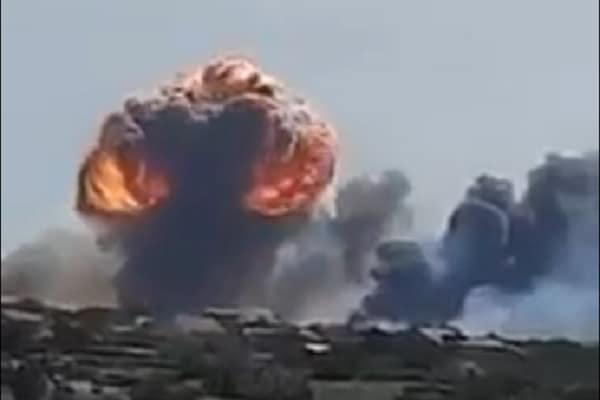
The assessment follows one of Ukraine’s largest drone operations of the war. During the night of June 25, Ukrainian Unmanned Systems Forces launched a sweeping assault on almost 40 Russian military and logistics targets across Crimea.
Among the reported targets were the Tavriyskaya thermal power plant, major electricity substations, radar installations and an oil depot in Dzhankoi, striking at critical infrastructure used to sustain Russia’s military presence on the peninsula.
The scale of the attacks prompted occupation authorities to declare a regional state of emergency across all of Crimea and the city of Sevastopol the following day.
Russian-installed governor Sergey Aksyonov claimed the emergency measures were designed to “streamline economic matters”, but they came amid mounting disruption caused by Ukraine’s deep-strike campaign.
The attacks form part of Kyiv’s broader strategy of targeting Russia’s military logistics and energy infrastructure, both inside occupied Ukraine and deep within Russia itself.
ISW analysts say Ukraine’s intensified strikes since March 2026 have significantly disrupted Russia’s oil industry, cutting into vital export revenues while worsening fuel shortages across occupied territories and numerous Russian regions.
The analysts argue that continued attacks on refineries, storage facilities and transport networks are likely to deepen supply shortages and pile further pressure on the Kremlin’s struggling wartime economy.
Despite those growing difficulties, Vladimir Putin has extended Russia’s ban on oil exports sold under the G7 and EU price cap until the end of 2027.
The decree, originally introduced in December 2022, is viewed by ISW as an attempt to project defiance against Western sanctions even as Russia grapples with rising fuel prices and mounting economic strain at home.
Ukraine’s President Volodymyr Zelensky has made clear the campaign against Crimea is no accident.
He said the operation had been carefully planned and argued that, with additional military support from G7 allies, Ukraine could rapidly create conditions that force Moscow to choose peace over continuing the war.
As Ukrainian drones continue reaching deeper into occupied Crimea and Russia’s energy infrastructure comes under sustained attack, analysts believe the Kremlin faces growing military, economic and political pressure that will become increasingly difficult to contain.


Leave a Comment