
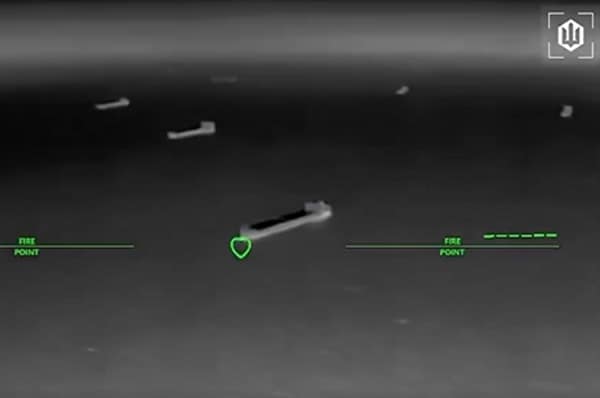
Ukraine has claimed to have struck eight Russian shadow fleet oil tankers in a dramatic overnight drone assault in the Sea of Azov, in what could mark one of Kyiv’s most ambitious attacks yet on the Kremlin’s sanctions-busting energy network.
The reported strike, if confirmed, would represent a significant escalation in Ukraine’s campaign to cripple the fuel supplies sustaining Russia’s war machine and tighten the squeeze on occupied Crimea.
According to Colonel Robert Brovdi, better known by his battlefield callsign “Madyar”, Ukrainian long-range drones targeted a convoy of eight fuel tankers alongside a dry cargo vessel and a ferry during an overnight operation.
Read more related news:
Ukraine woman wanted over Monaco bomb attack found shot dead in Kyiv
Russia claims UK is reviving Crimean war in extraordinary propaganda escalation
‘All going to plan,’ says Moscow, through the smoke
Russia exposed as Ukraine strikes giant Siberian oil refinery thousands of miles away
Brovdi described the mission as delivering “industrial-scale results”, claiming the tankers were left “badly damaged and on fire”.
The shadow fleet is leaving the area,” he wrote on Telegram.
“The battle for fuel for Crimea in the Sea of Azov continues.”
The claims have not been independently verified, and Russian authorities had not commented at the time of publication.
I can’t keep up with all the hits lately… https://t.co/0JLvzNFTcJ
— Shaun Pinner (@ShaunPinnerUA) July 7, 2026
Ukraine says the targeted vessels form part of Russia’s so-called shadow fleet—an ageing network of oil tankers operating under opaque ownership structures and foreign flags to help Moscow continue exporting crude despite Western sanctions.
According to Brovdi, all of the vessels struck had already been sanctioned internationally.
He identified the ships as Venera-3, Sanar-1, Sanar-17, Climene, Teti, Aleksey Savrasov and Penelope, each reportedly capable of carrying around 7,000 tonnes of fuel.
Military analysts say attacks on Russia’s maritime logistics are becoming an increasingly important element of Ukraine’s broader strategy.
Foundation for Defense of Democracies analyst John Hardie said the strikes appeared designed to disrupt Russian fuel deliveries to occupied Crimea.
These strikes are part of Ukraine’s campaign to strangle Russian logistics, including fuel supplies, to Crimea,” he said.
“Russia still seems to lack a good answer.”
The reported assault comes as Ukraine intensifies long-range drone operations deep behind Russian lines.
In recent months Kyiv has repeatedly targeted oil refineries, fuel depots, pumping stations and transport infrastructure, seeking to undermine the logistical backbone of Russia’s military operations.
Crimea has become a particular focus.
Following repeated Ukrainian attacks on fuel infrastructure and transport routes into the occupied peninsula, Russian-installed authorities introduced fuel rationing measures earlier this year as supply pressures mounted.
The latest operation also reportedly disrupted electricity supplies across parts of occupied Crimea, with Brovdi claiming power facilities were hit during the wider strike package.
The operation reflects Ukraine’s growing emphasis on targeting Russia’s economic and logistical infrastructure rather than relying solely on battlefield gains.
Researchers at the Royal United Services Institute have previously argued that increasing pressure on Russia’s shadow fleet could further weaken Moscow’s ability to sustain oil exports while complicating efforts to finance the war.
Ukraine has also sought to challenge the legal status of shadow fleet vessels.
Last month, Deputy Prime Minister Oleksii Kuleba urged the International Maritime Organization to examine whether ships actively helping Russia evade sanctions should continue to enjoy the protections normally afforded to civilian commercial shipping.
If Ukraine’s latest claims prove accurate, the Sea of Azov attack would mark another major demonstration of Kyiv’s rapidly expanding long-range strike capability.
For the Kremlin, the message is becoming increasingly difficult to ignore.
From oil refineries deep inside Siberia to fuel convoys crossing the Sea of Azov, assets once considered safely beyond Ukraine’s reach are now appearing increasingly vulnerable.


Leave a Comment