
Reform leader calls for urgent naval expansion after Argentina stars revive sovereignty row following World Cup victory
Nigel Farage has called for an urgent expansion of the Royal Navy after Argentina reignited the Falklands dispute by displaying a controversial sovereignty banner following their World Cup semi-final victory over England.
The Reform UK leader condemned the actions of Argentina players who were filmed celebrating their 2-1 win while holding a banner reading “Las Malvinas son Argentinas” — translated as “The Falkland Islands are Argentine.”
The gesture, which came moments after the final whistle, triggered outrage among many British supporters and prompted Mr Farage to demand a stronger naval presence.
Posting on X, he said: “Whilst I am disgusted at the behaviour of some Argentinian players last night, the most important thing to do is build up the Royal Navy quickly.”
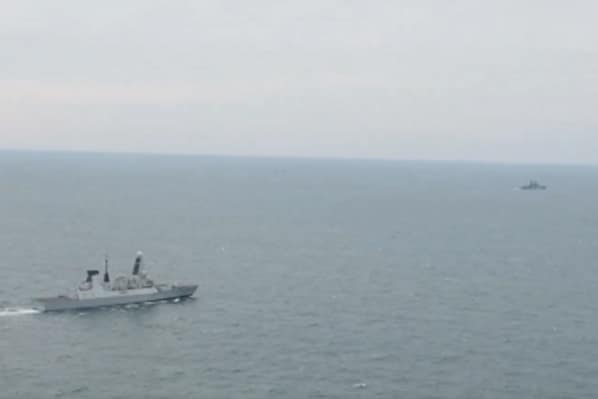
The row has reopened questions over Britain’s military capability and the state of the Royal Navy’s surface fleet, which has been reduced significantly in recent decades.
The Falkland Islands remain a British Overseas Territory, despite Argentina’s continuing claim.
The dispute led to the 1982 Falklands War after Argentina’s military junta invaded the islands. British forces retook control after a 74-day conflict that left hundreds dead.
In 2013, Falkland Islanders voted overwhelmingly to remain British, with 99.8 per cent supporting continued UK sovereignty.
Supporters of the British position argue that the islanders’ right to self-determination remains central to the dispute.
Mr Farage’s intervention comes amid concerns over the size and readiness of the Royal Navy.
The service currently operates around 12 destroyers and frigates, with critics warning that ageing vessels, maintenance delays and recruitment problems have placed pressure on operational capacity.
Some Type 23 frigates have been required to serve well beyond their original expected lifespans, while shortages of skilled engineers and personnel have added to the strain.
Defence experts have repeatedly warned that Britain’s ability to respond to rising global threats depends on rebuilding military capacity.
The controversy comes after former Defence Secretary John Healey criticised the Government’s defence funding plans before leaving office.
In his resignation letter, Mr Healey warned that Britain faced a “dangerous time” and argued that planned spending increases fell short of what was required.
He said rising threats meant the country needed greater investment in its armed forces.
The Falklands row has once again placed Britain’s military strength under scrutiny — with calls growing for ministers to match warnings about global threats with greater defence spending.


Leave a Comment